With its well-developed infrastructure, some of the best tourist facilities in Africa and an impressive list of breathtaking natural wonders, touring Namibia is truly a pleasure. Visit the capital of Windhoek and the lovely coastal town of Swakopmund to discover remnants of the country’s German influence, reflected in the architecture, culture, cuisine and the annual Oktoberfest celebrations. To properly appreciate this extraordinary country, you will have to venture out of the cities to explore the remarkable natural landscapes Namibia has to offer. These include: the impressive Fish River Canyon Park; the vast Etosha National Park teeming with local subspecies, such as desert lions, desert elephants and the Hartmann's Mountain Zebra; the hauntingly beautiful Kalahari Desert; and of course the Namib Desert stretching for nearly 1000 km along the magnificent Atlantic coastline. Namibia is an ideal destination for travellers seeking an unforgettable African experience in a uniquely beautiful untamed wilderness.
Sossusvlei is where you will find the iconic red sand dunes of the Namib. The clear blue skies contrast with the giant red sand dunes to make this one of the natural wonders of Africa and a photographers heaven. Aside from the attractions at Sossusvlei - Dune 45, Hiddenvlei, Big Daddy and Deadvlei - other attractions in the area include the Sesriem Canyon and Namib-Naukluft National Park, where the mountains of the Namib meet its plains.


Founded in 1892 as the main harbour for German South West Africa, Swakopmund is often described as being more German than Germany. Now a seaside resort, Swakopmund is the capital of the Skeleton Coast tourism area and has plenty to keep visitors happy. The quirky mix of German and Namibian influences, colonial-era buildings and the cool sea breeze make it very popular.


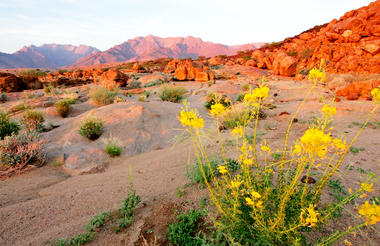
The Brandberg (‘Fire Mountain’) Massif is Namibia’s highest peak, with its zenith, the Königstein (‘King’s Stone’), standing at a whopping 2573 metres above sea level. Named for the vivid shade of orange it sometimes turns at sunset, the Brandberg has been sacred to the San people for centuries, and the Tsisab Ravine at its base is permeated with over 45 000 ancient San rock paintings, including the famous ‘White Lady’.
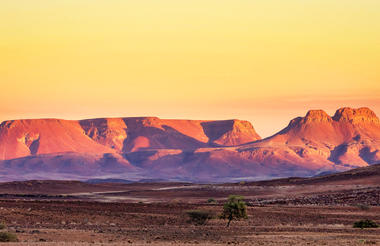
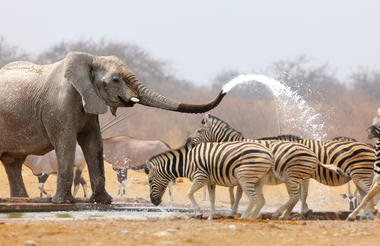
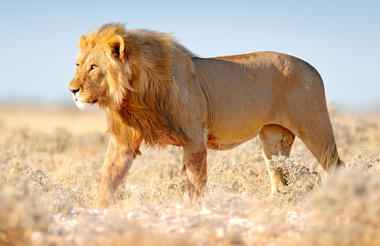
Located just south of the boundary of Etosha National Park in northwestern Namibia, Etosha South makes up the southern region of this wild paradise. Ogava Private Game Reserve shares the southern boundary with Etosha National Park and offers an array of luxury lodges overlooking picturesque landscapes dotted with abundant wildlife. The national park can be accessed via the southern entrance at Andersson’s Gate. Visitors can catch a glimpse of a variety of wildlife including: lion, giraffe, elephant, white and black rhino, and a multitude of plains game. Popular activities include: game drives, tracking rhinos on foot, guided nature walks, or watch the sunset over this magnificent landscape.


In the vast arid space of Northern Namibia lies one of Southern Africa’s best loved wildlife sanctuaries. The Etosha National Park offers excellent game viewing in one of Africa’s most accessible venues. Zebra and springbok are scattered across the endless horizon, while the many waterholes attract endangered black rhinoceros, lion, elephant and large numbers of antelope. Etosha, meaning ‘place of dry water’, is encloses a huge, flat calcrete depression (or pan) of about 5 000km². The ‘Pan’ provides a great, parched, silver-white backdrop of shimmering mirages to an area of semi-arid savannah grassland and thorn scrub. The pan itself contains water only after very good rains and sometimes for only a few days each year, but is enough to stimulate the growth of a blue-green algae which lures thousands of flamingos.
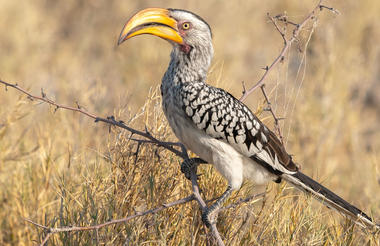
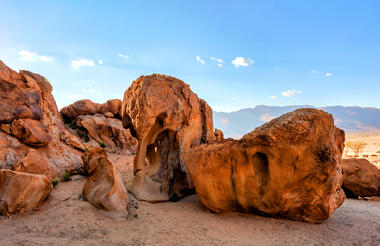
Grootfontein sits in the Otjozondjupa Region of Namibia, where open savannah plains and scattered acacia trees meet a quiet, small-town atmosphere shaped by agriculture and frontier history. Once a German colonial outpost, it is still marked by its orderly streets and historic buildings and now serves as a relaxed gateway to northern Namibia. Its most remarkable attraction is the nearby Hoba meteorite, the largest known intact meteorite on Earth, drawing visitors into a striking encounter with deep time in an otherwise sunbaked landscape. Surrounding farms and cattle stations add to the rural rhythm, while dust-laden air, distant livestock sounds and wide, bright horizons define the sensory experience. Grootfontein is modest and unpolished, but its geological wonders and expansive skies offer a compelling stop for travellers exploring Namibia’s interior.
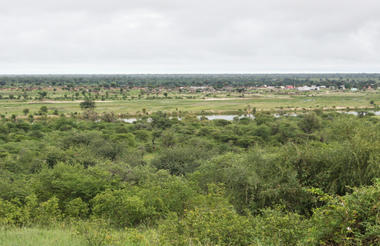

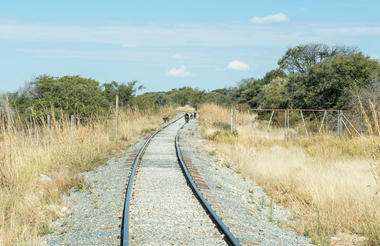
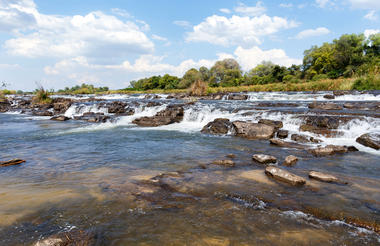
Set roughly 200 kilometres east of Rundu on the southeastern banks of the great Okavango River, the small village of Divundu is a wonderful destination from which to explore the river, game parks and national reserves of the area. Visitors can enjoy fishing or bird watching boat safaris, or visit the Mahango Game Park, which is home to herds of elephant as well as hippo, buffalo, giraffes, antelope, and many other animals. The spectacular Popa Falls, a dramatic series of cascades - are a popular must-see attraction. Divundu is also the perfect base for adventures in Botswana and the Okavango Delta.
Despite recent and surprisingly rapid modernization, Botswana’s cities provide little in the way of tourist attractions. However, what the cities lack in excitement, the surrounding wilderness areas more than make up for in outstanding natural beauty. The country’s primary tourist draw card is undoubtedly the vast red expanse of the Kalahari desert and its remarkably beautiful Okavango Delta - the largest inland delta in the world provide a haven for an abundance of African wildlife. Other highlights include the impressive Makgadikgadi salt pans where visitors are privy to massive zebra migrations during the flood season; the Savuti plains which host large prides of lions; and the Tsodilo Hills where 4500 rock paintings form a unique record of human settlement over many millennia.


With its well-developed infrastructure, some of the best tourist facilities in Africa and an impressive list of breathtaking natural wonders, touring Namibia is truly a pleasure. Visit the capital of Windhoek and the lovely coastal town of Swakopmund to discover remnants of the country’s German influence, reflected in the architecture, culture, cuisine and the annual Oktoberfest celebrations. To properly appreciate this extraordinary country, you will have to venture out of the cities to explore the remarkable natural landscapes Namibia has to offer. These include: the impressive Fish River Canyon Park; the vast Etosha National Park teeming with local subspecies, such as desert lions, desert elephants and the Hartmann's Mountain Zebra; the hauntingly beautiful Kalahari Desert; and of course the Namib Desert stretching for nearly 1000 km along the magnificent Atlantic coastline. Namibia is an ideal destination for travellers seeking an unforgettable African experience in a uniquely beautiful untamed wilderness.
Flowing through the Zambezi Region of northeastern Namibia, close to the borders of Botswana, Zambia and Angola, the Kwando River is a scenic waterway that forms part of the vast Kavango–Zambezi (KAZA) Transfrontier Conservation Area. Lined with riverine forests, floodplains and reed-fringed channels, it supports an exceptional diversity of wildlife and birdlife, making it one of Namibia's premier safari destinations. Visitors can enjoy game drives, boat cruises, canoeing and guided nature walks, with opportunities to spot elephants, hippos, crocodiles and an abundance of bird species. The river also borders Bwabwata National Park and provides access to nearby Mudumu and Nkasa Rupara national parks, where seasonal wetlands support a rich diversity of wildlife throughout the year.

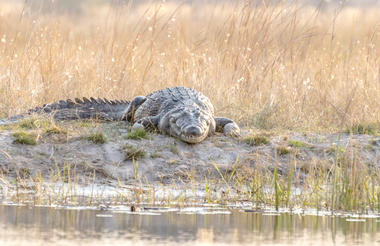
Despite recent and surprisingly rapid modernization, Botswana’s cities provide little in the way of tourist attractions. However, what the cities lack in excitement, the surrounding wilderness areas more than make up for in outstanding natural beauty. The country’s primary tourist draw card is undoubtedly the vast red expanse of the Kalahari desert and its remarkably beautiful Okavango Delta - the largest inland delta in the world provide a haven for an abundance of African wildlife. Other highlights include the impressive Makgadikgadi salt pans where visitors are privy to massive zebra migrations during the flood season; the Savuti plains which host large prides of lions; and the Tsodilo Hills where 4500 rock paintings form a unique record of human settlement over many millennia.
Kasane is almost part of the Chobe National Park as there are no boundary fences separating the village from the park. In fact, game such as elephant and hippo are often spotted in Kasane. If on the lookout for game in the area, pay a visit to the large, dead trees along the Sedudu Valley Road as they often act as temporary homes for leopards. These aren’t the only enticing trees in Kasane – the village is also the proud owner of an old baobab tree whose tree trunk was once a local prison. Kasane is the main town servicing Chobe and the Linyanti.
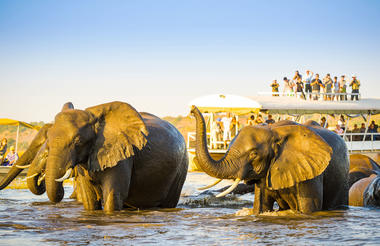
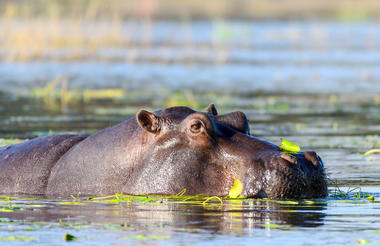
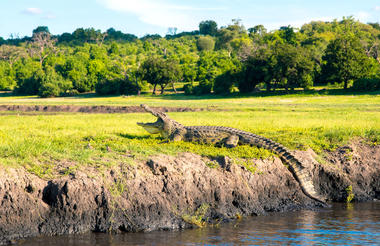
Zimbabwe is a captivating destination in southern Africa, renowned for its dramatic landscapes, abundant wildlife, and rich cultural heritage. The country is home to some of the continent’s most iconic natural attractions, including Victoria Falls, one of the world’s largest waterfalls, where the mighty Zambezi River plunges into a deep gorge in a spectacular display of power. Wildlife enthusiasts can explore Hwange National Park, famous for its large elephant population and diverse game viewing opportunities, or visit Mana Pools National Park, a UNESCO World Heritage Site known for its walking safaris, canoeing adventures, and close wildlife encounters. Lake Kariba, one of the world's largest man-made lakes, offers scenic boat cruises, excellent fishing, and breathtaking sunsets. Combining adventure, natural beauty, and authentic safari experiences, Zimbabwe remains one of Africa’s most rewarding travel destinations.
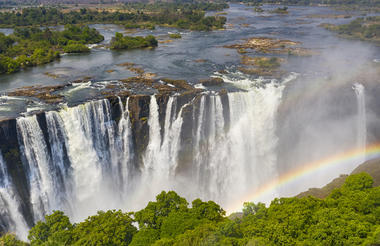
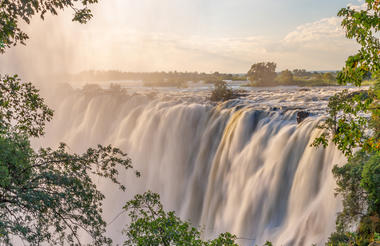
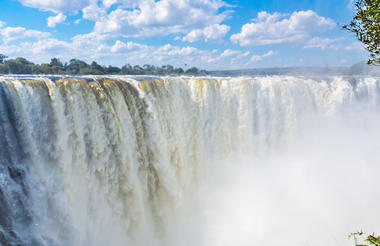
Resting on the southern banks of the Zambezi river at the western end of the eponymous falls, this popular tourist town is compact enough to walk around and makes an ideal base for travellers exploring the seventh wonder of the world, the unfathomably vast Victoria Falls. About two thirds of the falls can be viewed from the Zimbabwean side and, while the falls are undoubtedly the star attraction, the area provides both adventure seekers and sightseers with plenty of opportunities to warrant a longer stay. Popular activities include scenic flights over the falls in helicopters or micro lights, bungee jumping off the Victoria Falls Bridge, white-water rafting (seasonal), and day trips to Chobe National Park. The town itself offers some excellent accommodation and restaurant options as well as an eclectic variety of African curios and authentic art sold by friendly Zimbabwean locals who are wonderfully welcoming and eager to help you enjoy your stay.