At the foot of Mount Meru, whose volcanic cone dominates the northern skyline, Arusha is the administrative capital of the Arusha Region and the principal gateway to northern Tanzania's renowned safari circuit. Alongside its thriving tourism industry, the bustling city is a leading centre for business, diplomacy and international conferences in East Africa, hosting regional institutions and major political, commercial and conservation events throughout the year. German colonial buildings, modern offices and lively markets reflect Arusha's evolution from a colonial outpost into northern Tanzania's commercial hub, while cafés, hotels, craft centres and galleries contribute to its cosmopolitan atmosphere. Less than an hour from the city, Arusha National Park offers game drives and canoeing on the Momella Lakes beneath Mount Meru, while nearby coffee estates and cultural experiences introduce visitors to the region beyond the safari circuit.


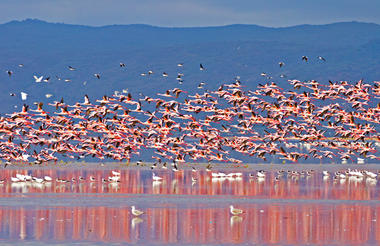
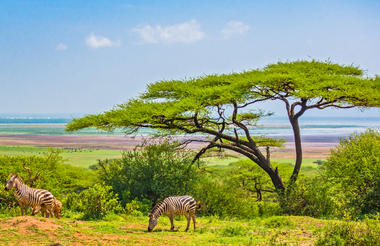
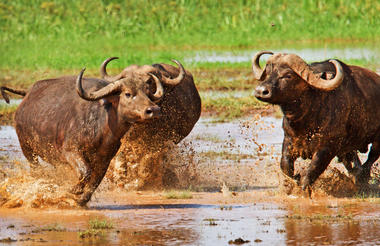
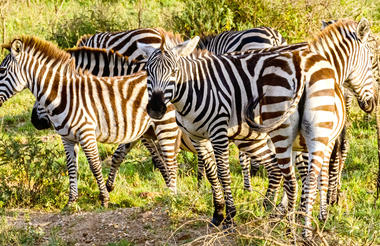
Situated in Tanzania’s central-northern region with the Lake Manyara to its east and the Manyara Escarpment to its west, the Lake Manyara National Park offers breathtaking views and a large variety of habitats supporting an array of wildlife. This small park is home to surprising biodiversity and features a magnificent landscape of acacia woodlands, forests, baobab strewn cliffs, algae-streaked hot springs, swamps and the lake itself. The park supports over 400 species of bird and the largest concentration of baboons anywhere in the world. Other species to spot include giraffes, zebras, wildebeest, impala, waterbuck, warthog, the Cape clawless otter, and the Egyptian mongoose. Don’t miss the opportunity to see thousands of flamingos on the lake, the renowned tree-climbing lions, and large families of elephants strolling through the forest.
Located in Tanzania’s scenic northern highlands, Karatu is a small, colourful town surrounded by rolling green hills and fertile farmland. Travellers heading for the Serengeti National Park and Ngorongoro Crater often pass through Karatu, which lies beneath the towering Ol Deani Volcano. The town serves as a popular overnight stop for visitors exploring the region’s many game parks. Karatu offers a variety of activities, including browsing bustling local markets, sampling beer at a local brewery, visiting traditional homesteads, or taking guided walks through the Ngorongoro Forest in search of waterfalls and caves. Whether seeking cultural experiences, hiking and biking opportunities, or simply a relaxing break between safari drives, visitors will find plenty to enjoy in this welcoming town.


Located in the southern reaches of Tanzania's Serengeti National Park, the Southern Serengeti is a vast wilderness of open short-grass plains renowned for its role in the Great Migration and exceptional wildlife viewing. This remote safari region is at its best between December and March, when hundreds of thousands of wildebeest gather to calve, attracting an abundance of predators, including lions, cheetahs and hyenas. Beyond the migration, visitors can enjoy rewarding game drives, exceptional birdwatching and sweeping views across expansive plains beneath vast African skies. The region's seasonal camps, peaceful atmosphere and remarkable concentration of wildlife create an immersive safari experience, offering an unforgettable glimpse into one of Africa's most celebrated natural ecosystems.


Paje is a tiny fishing village on the east coast of Zanzibar’s Unguja Island. The village is best known for its excellent kiteboarding conditions especially for beginners as the local reef-protected lagoon is blessed with a consistent side-onshore wind for much of the year. The settlement rests on a magnificent strip of coastline offering ideal conditions for swimming in the warm, azure waters when the tide is in or exploring the coral reef once the tide has gone out. Paje boasts two supermarkets and a number of small shops selling locally-produced souvenirs. If you are seeking a laid back, peaceful vacation spot where you can embrace the slow pace of island life, look no further than the remote little seaside village of Paje.


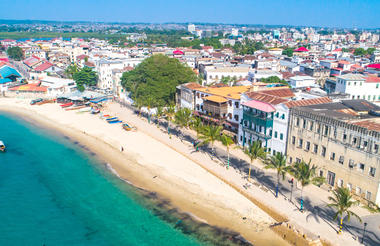
Situated on the western coast of Zanzibar Island, off the mainland of Tanzania, Stone Town is a historic port town and the cultural heart of the Zanzibar Archipelago. Recognised as a UNESCO World Heritage Site, it is renowned for its labyrinth of narrow streets, intricately carved wooden doors and centuries-old buildings that reflect African, Arab, Indian and European influences. Visitors can explore bustling markets, visit historic palaces and local museums, and discover the town's rich trading and maritime history within a vibrant urban setting. The waterfront is particularly atmospheric in the late afternoon, when locals gather at Forodhani Gardens, and traditional dhows sail across the Indian Ocean. Stone Town also serves as the gateway to Zanzibar's beaches, spice farms and marine excursions, making it a convenient starting point for exploring the island.