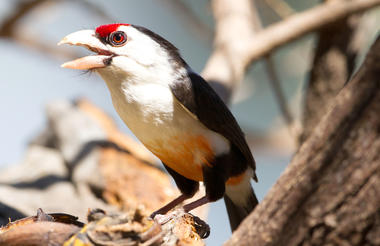
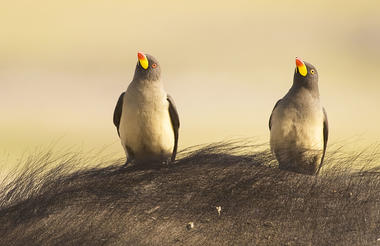
Set in Zambia, the Kafue National Park is the largest park in the country and the second-largest in Africa. The contrasting landscape of the Central Kafue features riverine bush, miombo and savannah woodlands, vast open plains and majestic granite outcrops. Visitors can enjoy the pristine natural beauty of the diverse scenery and its natural, unspoilt beauty. Drive along the Spinal Road for a chance to discover the most remote parts of the Central Kafue National Park. Don't miss the opportunity to spot a wide range of African wildlife with regular sightings of puku, impala and bushbuck and catch a glimpse of the countless bird species that call this area home.
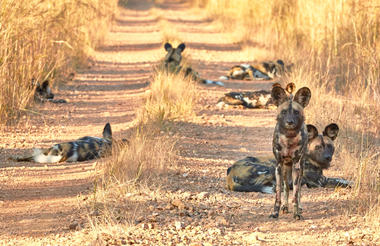
As previously described
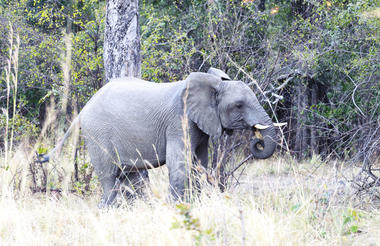
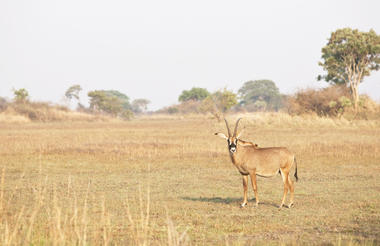
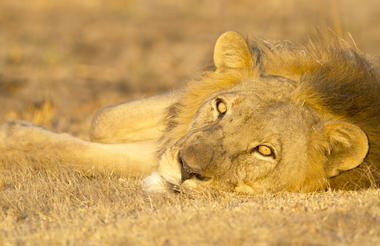
Kafue is Zambia’s largest national park, comprising two distinct sections, of which the northern section is the biggest and shelters the highest concentrations of game. Resident species include elephant, lion, leopard, buffalo and antelope, while hippos and waterbirds thrive in the wetlands of the Busanga Plains. This marshy wilderness extends across approximately 750 square kilometres which, during the rainy season, becomes a veritable deluge. Once the rains cease and the waters subside, a blanket of lush, grassy vegetation if left behind, attracting vast numbers of antelope and other grazers. Several camps are situated in Northern Kafue, offering a variety of accommodation, ranging from budget to luxury.
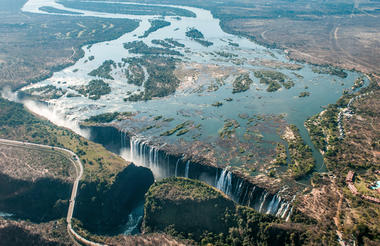
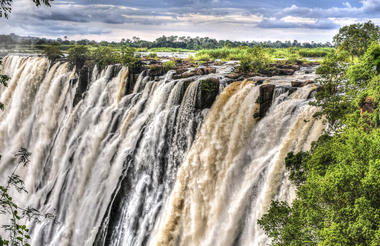
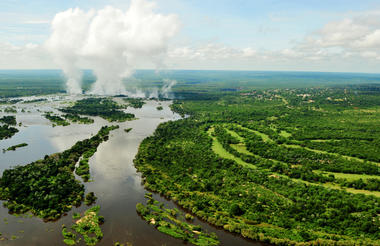
Situated on the Zambia–Zimbabwe border along the Zambezi River, Victoria Falls is experienced from the Zambian side within Mosi-oa-Tunya National Park, where walkways trace the cliff edge above a vast basalt gorge. Knife Edge Bridge pushes visitors into the spray line for a close view of the Main Falls, a continuous curtain of water, and the Eastern Cataract, where the flow breaks into narrower channels across the far side. Rainbow Falls, the highest section of the cascade, often reveals shifting arcs of colour in fine mist when light breaks through the spray. The Boiling Pot viewpoint looks directly into a deep whirlpool where the river is forced into the Batoka Gorge. Upstream, boat access reaches Livingstone Island, a rocky outcrop on the lip of the falls, and the seasonal Devil’s Pool, a natural rock pool at the edge of Victoria Falls that becomes safely accessible during low water when river levels drop and currents weaken. Activities extend beyond the rim, including white-water rafting through gorge rapids, kayaking, ziplining across the chasm, bungee jumping from the bridge, bridge swings, sunset cruises, game viewing along the riverbanks, and visits to the local market.