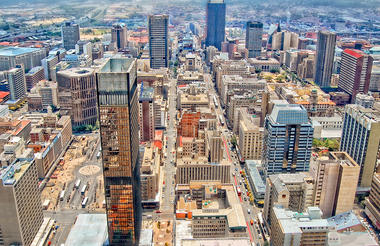
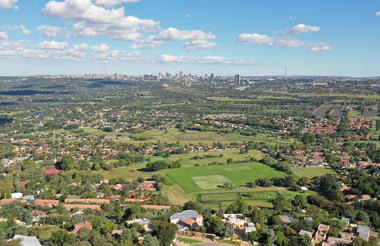
Located on South Africa’s Highveld plateau, Johannesburg is a fast-paced, creative city shaped by gold-rush history, cultural diversity and constant reinvention. Its atmosphere is energetic and urban, with contemporary galleries, rooftop bars and leafy suburbs existing alongside powerful reminders of the country’s past. Visitors can explore the Apartheid Museum, tour Soweto’s historic streets or browse vibrant markets and design spaces in neighbourhoods such as Maboneng. The city’s soundtrack shifts from lively jazz and amapiano beats to the hum of busy streets, while the scent of grilled street food drifts through open-air cafés and market stalls. Johannesburg rewards travellers who engage with its complexity and culture, though its size, traffic and contrasts mean it is best experienced with some planning and local insight.
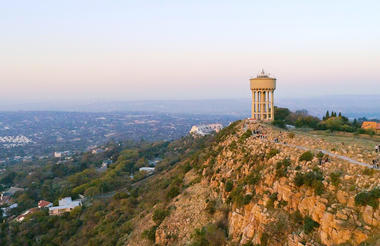
Windhoek, Namibia’s capital, lies in the heart of the country amid the rolling Khomas Highlands, where wide skies and dry savannah frame a compact, orderly city. It blends German colonial heritage with contemporary African identity, creating a calm, understated atmosphere rather than a bustling metropolis. Landmarks such as Christuskirche and the Tintenpalast sit alongside modern civic buildings, while lively markets and cafés reveal everyday Namibian life. Visitors can explore museums, stroll shaded streets, or use the city as a gateway to the surrounding wilderness and safari regions. The air is often dry and clear, carrying the scent of dust and jacaranda blossoms, while distant hills glow at sunset. Windhoek offers a gentle introduction to Namibia’s landscapes and culture, with space, light and quiet defining its appeal.


Spanning more than 172,000 hectares and encompassing several distinct desert ecosystems, the NamibRand Nature Reserve in southern Namibia is one of the largest private nature reserves in Southern Africa. Founded to conserve the unique ecosystem and biodiversity of the Namib Desert, the reserve's mix of dunes, mountains, rocky outcrops, sandy flats, and gravel plains provides habitats for a diversity of mammals, including hyenas, jackals, foxes, antelopes, and various wild cats. The reserve is also home to numerous bird species, reptiles, insects, and amphibians, alongside an array of plant species. Discover the mysterious fairy circles, enigmatic bare patches in the desert landscape whose origins remain the subject of scientific debate, or enjoy a night of sublime stargazing; as Africa's first International Dark Sky Reserve, it is one of the least light-polluted areas in the world.
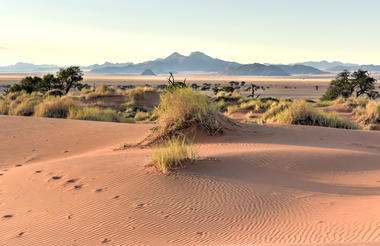
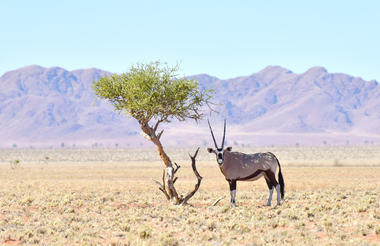
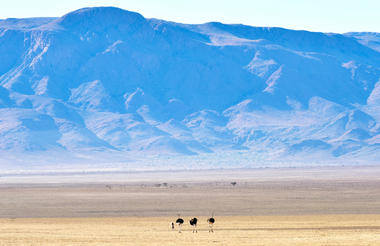
Stretching for approximately 270 kilometres through western Namibia, the Hoanib River flows between Kaokoland and the Skeleton Coast, creating one of the country's most remarkable desert wilderness areas. As one of Namibia’s last major desert watercourses, it provides a vital lifeline for an extraordinary variety of wildlife. The region is renowned for its desert-adapted elephants, lions, and rhinos, as well as populations of giraffe, zebra, kudu, and numerous other species uniquely adapted to this harsh environment. Visitors can explore the dramatic landscapes on scenic four-wheel-drive excursions, guided nature walks, and hiking trails, while towering sand dunes and striking rock formations offer endless opportunities for adventure and photography in this remote and captivating destination.
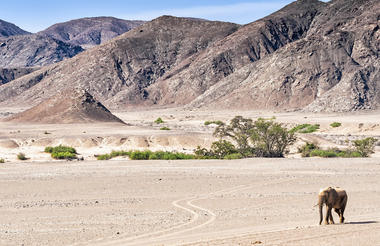
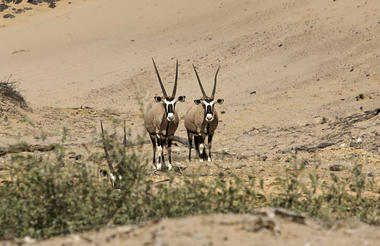
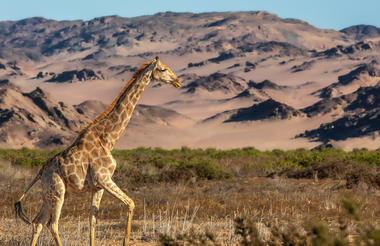
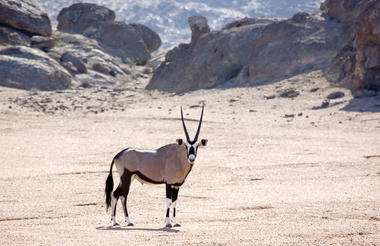
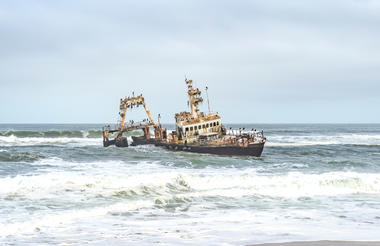
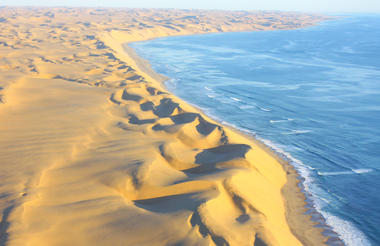
Stretching from the Swakop River to southern Angola, Namibia’s Skeleton Coast is known as the 'Land God Made in Anger'. Thousands of miles of sandy desert dotted with shipwrecks meet with the cold waters of the Atlantic, where ocean fog creeps over the shoreline. Somehow, an amazing array of wildlife and flora manages to survive in this harsh but beautiful environment. Animals living here include seabird colonies, Cape fur seals, zebras, gemsbok, desert-adapted elephants, lions, and many more. Surfing enthusiasts are drawn to the powerful crashing waves, and photographers flock from around the globe to snapshot the eerie shipwreck graveyards and breathtaking coastline.
Bordering Angola in northern Namibia, Kunene is a region as well as the name of a river, which is one of just five perennial rivers in Namibia. The Kunene River is an invaluable source of water for the local Himba people, and it has been the mainstay of their existence for hundreds of years. For travellers, the river’s most striking feature is the magnificent Epupa Falls, which cascade over a distance of more than a kilometre downstream, with an impressive vertical drop of around 60 metres. Whitewater rafting and kayaking are both popular pursuits in these areas. Visitors can take sundowner cruises; explore sublime hiking routes; enjoy excellent bird watching opportunities; learn about local culture with a trip to a traditional Himba village; or go canoeing, kayaking, and game viewing.


As previously described


Known locally as Mosi-oa-Tunya—“The Smoke That Thunders”—Victoria Falls is one of the world’s great natural landmarks. Straddling the Zambezi River between Zambia and Zimbabwe, it forms a vast curtain of water that fills the air with mist and sound. The Zimbabwean side grants the most dramatic views, where mist rises like ghostly curtains and rainbows arc through the spray. Measuring about 1,708 metres across, it is regarded as the largest single continuous sheet of falling water on Earth. The adjacent town of Victoria Falls provides a convenient base for exploring the region, with a wide range of activities from scenic flights and microlight trips to white-water rafting, bungee jumping, kayaking, and safaris into Chobe National Park.