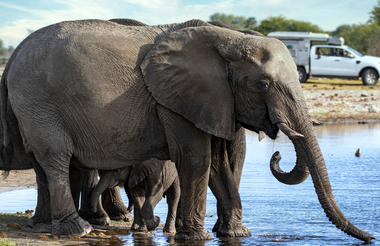
The Chobe River forms the northern boundary of Chobe National Park and is one of southern Africa’s most rewarding wildlife riverfronts, especially in the dry season when animals concentrate along its banks. Elephant herds gather in large numbers at the water’s edge, hippos crowd the channels, and buffalo move regularly through the floodplain grasslands, while lions range through the wider system and may hunt buffalo in the surrounding landscape. The river also supports exceptional birdlife across reeds, sandbanks, and woodland edges, and visitors typically explore it through guided game drives on designated park tracks as well as boat safaris that bring them level with elephants and hippos along the shoreline.


Savuti, also known as Savute, lies in the heart of Botswana’s renowned Chobe National Park and is one of the country’s most fascinating wildlife destinations. This dynamic wilderness features vast open savannahs, ancient rocky outcrops, and the remnants of a historic marsh fed by the enigmatic Savuti Channel. Famous for its unpredictable wet and dry cycles, the landscape is constantly changing, creating unique habitats for a remarkable variety of wildlife. Wild dogs hunt along the dry riverbed where crocodiles once swam, highlighting the area’s ever-shifting nature. Visitors can encounter large herds of elephants, Cape buffalo, zebra, and wildebeest, as well as predators such as lions, cheetahs, hyenas, black-backed jackals, and bat-eared foxes. Savuti is also home to abundant birdlife, antelope species, tsessebe, kudu, and many other iconic African animals.
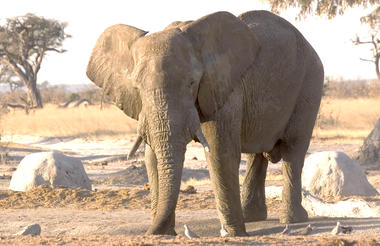
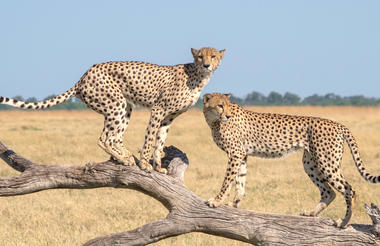
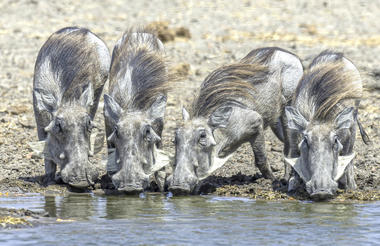
Situated in the northwestern corner of Botswana, the Okavango Delta is a World Heritage Site as it is the largest inland delta in the world. The magnificent Okavango River sprawls out over the dry sands of the Kalahari Desert forming this flourishing waterlogged oasis featuring countless meandering waterways and crystal clear lagoons studded with water lilies, as well as fertile floodplains and reeded islands inhabited with abundant wildlife. The Okavango Delta stretches over an impressive15000 square kilometres. Visitors can enjoy a number of wonderful activities such as game viewing, fishing, bird watching or taking an authentic guided Mokoro excursion through this wetland paradise in a traditional dugout canoe. Commonly spotted animals include: lion, rhino, leopard, giraffe, hippos, elephants, crocodiles and countless species of bird.
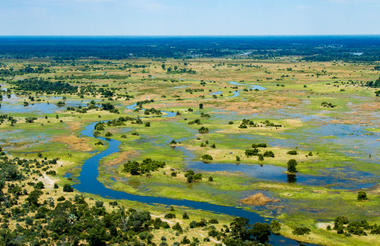
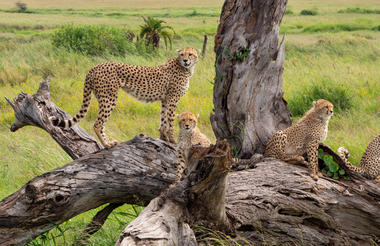
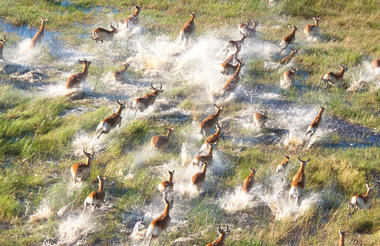
Situated on the eastern side of the Okavango Delta in north-western Botswana, Moremi Game Reserve is one of Africa's most celebrated wildlife reserves, protecting an extraordinary mosaic of floodplains, lagoons, forests and open grasslands. As the first reserve in Africa established by a local community, it is recognised for both its conservation significance and its exceptional biodiversity. Visitors can enjoy game drives and seasonal mokoro or motorboat excursions, with opportunities to spot elephants, lions, leopards, African wild dogs and abundant birdlife in remarkably varied habitats. The ever-changing landscapes, where winding waterways meet acacia woodlands and sweeping plains, create a memorable safari experience that combines outstanding wildlife viewing with the untamed beauty of the Okavango Delta.


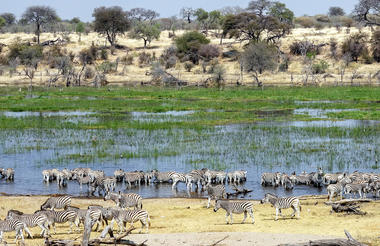
Northern Botswana’s Boteti River, forming the western boundary of Makgadikgadi Pans National Park, lies within the basin of the ancient Lake Makgadikgadi. Each year, thousands of zebras and wildebeests migrate between the pans and the river, joined by springbok, gemsbok, elephants, and hippos along its banks. Birdwatchers encounter pelicans, fish eagles, and herons here, while the nearby pans transform into breeding grounds for vast flamingo colonies after the rains. Visitors can explore by game drive or boat when water levels permit, take quad biking excursions across the salt flats, sleep under the stars, or join cultural tours with local communities.