
Located in the foothills of Mount Kilimanjaro, close to the Kenyan border in Northern Tanzania, the vibrant town of Moshi is known as a coffee-producing hub boasting vast coffee plantations. The majestic snow-capped peak of Kilimanjaro towers over this little African town. Moshi serves as the gateway to the Kilimanjaro National Park and provides an excellent base from which to climb Mount Kilimanjaro, Africa’s highest mountain. Visitors can enjoy day trips, short hikes, or longer expeditions using Moshi as a starting point. Other popular activities include: spotting the Big Five on a wildlife safari, visiting a local village to learn about Maasai culture, and sampling mouth-watering Tanzanian cuisine.


Situated in northern Tanzania, Tarangire National Park is a breathtaking safari destination famed for its dramatic landscapes and exceptional wildlife. Dominated by ancient baobab trees and the life-giving Tarangire River, the park provides sanctuary for vast herds of elephants, zebra, and wildebeest, alongside smaller groups of giraffe and impala, especially during the dry season when animals gather in extraordinary numbers. Travellers can look forward to thrilling game drives that reveal lion, leopard, and even cheetah, together with more than 500 bird species that make the skies shimmer with colour and sound. Unlike busier safari parks, Tarangire offers a more tranquil, intimate atmosphere, allowing visitors to truly connect with nature. Its sweeping vistas, rich biodiversity, and sense of untamed wilderness make it an unmissable highlight of any Tanzanian adventure.
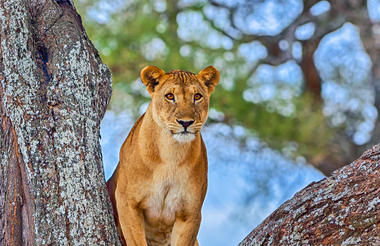
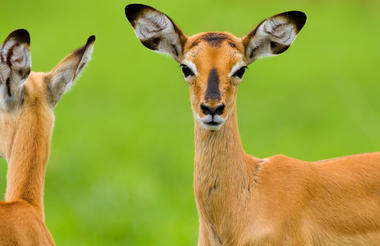
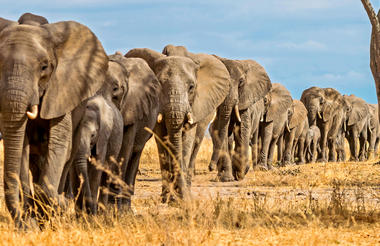
Situated at the heart of Serengeti National Park in northern Tanzania, the Central Serengeti is the park's most visited and wildlife-rich region, centred around the Seronera Valley. Characterised by vast open plains, scattered acacia trees, distinctive granite kopjes favoured by lions and cheetahs, and permanent water sources, it offers exceptional year-round game viewing and is renowned for its resident leopards, often seen resting in the branches of riverside trees. Visitors can enjoy rewarding game drives in search of lions, leopards, cheetahs, elephants, giraffes and large herds of plains game, while the Seronera River attracts an abundance of birdlife and other animals throughout the year. Although it is one of the Serengeti's busiest safari areas, its remarkable biodiversity and reliable wildlife viewing make it an outstanding destination for both first-time and returning visitors.
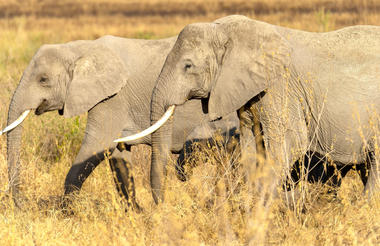
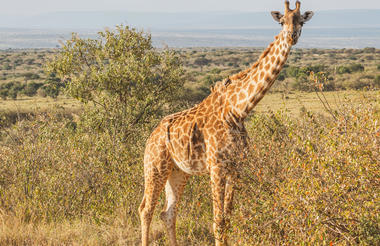
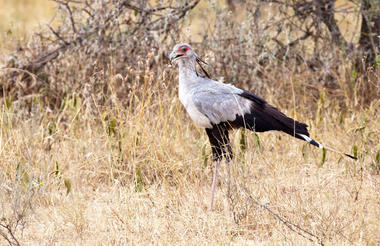
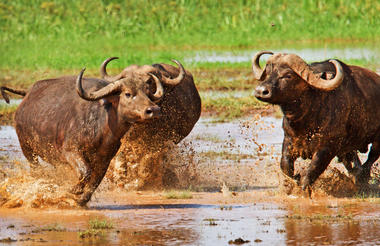
Located within northern Tanzania's Ngorongoro Conservation Area, Ngorongoro Crater is the world's largest intact volcanic caldera and one of Africa's most remarkable wildlife destinations. Encircled by steep crater walls, its fertile grasslands, forests and soda lakes support an extraordinary concentration of animals, including lions, elephants, buffalo and hippos. Game drives across the crater floor offer exceptional wildlife viewing within a relatively compact area, while Maasai communities in the surrounding highlands provide insight into local traditions and culture. From mist drifting over the crater rim at dawn to vast plains dotted with grazing herds below, the landscape is both dramatic and serene. Although popular and often busy, Ngorongoro delivers an unforgettable safari experience shaped by stunning scenery and abundant wildlife.
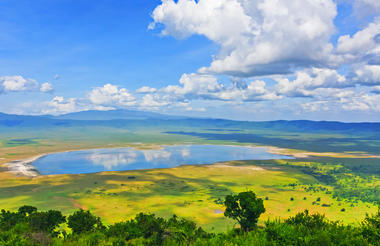


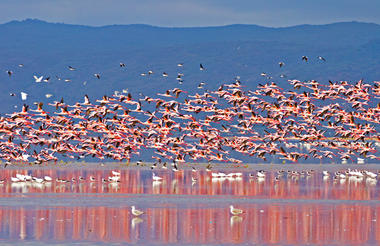
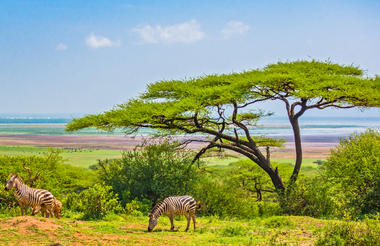
Situated in Tanzania’s central-northern region with the Lake Manyara to its east and the Manyara Escarpment to its west, the Lake Manyara National Park offers breathtaking views and a large variety of habitats supporting an array of wildlife. This small park is home to surprising biodiversity and features a magnificent landscape of acacia woodlands, forests, baobab strewn cliffs, algae-streaked hot springs, swamps and the lake itself. The park supports over 400 species of bird and the largest concentration of baboons anywhere in the world. Other species to spot include giraffes, zebras, wildebeest, impala, waterbuck, warthog, the Cape clawless otter, and the Egyptian mongoose. Don’t miss the opportunity to see thousands of flamingos on the lake, the renowned tree-climbing lions, and large families of elephants strolling through the forest.
As previously described


