Windhoek, Namibia’s capital, lies in the heart of the country amid the rolling Khomas Highlands, where wide skies and dry savannah frame a compact, orderly city. It blends German colonial heritage with contemporary African identity, creating a calm, understated atmosphere rather than a bustling metropolis. Landmarks such as Christuskirche and the Tintenpalast sit alongside modern civic buildings, while lively markets and cafés reveal everyday Namibian life. Visitors can explore museums, stroll shaded streets, or use the city as a gateway to the surrounding wilderness and safari regions. The air is often dry and clear, carrying the scent of dust and jacaranda blossoms, while distant hills glow at sunset. Windhoek offers a gentle introduction to Namibia’s landscapes and culture, with space, light and quiet defining its appeal.


Situated along the southern boundary of Etosha National Park in northwestern Namibia, Etosha South encompasses the park's southern safari region and a collection of private game reserves and lodges. The park is accessed via Andersson Gate, placing visitors within easy reach of renowned waterholes and excellent wildlife viewing. Lions, elephants, giraffes, white and black rhinos, and a wide variety of antelope are among the species commonly seen. Guided 4×4 game drives are the main attraction, with half- and full-day safaris available, some including picnic lunches in the bush.


Located along the eastern boundary of Etosha National Park in northern Namibia, Etosha East is a rewarding safari destination known for its excellent wildlife viewing and convenient access to the park through the Von Lindequist Gate near Namutoni. Characterised by open savannah, mopane woodland and seasonal waterholes, the region attracts an abundance of wildlife, including elephant, lion, giraffe, zebra and a variety of antelope species. Visitors can enjoy self-drive or guided game drives, with the waterholes offering some of the best opportunities to observe animals gathering to drink, particularly during the dry season. Golden grasslands, distant birdsong and expansive African skies create an immersive safari experience in one of Namibia's most celebrated conservation areas.
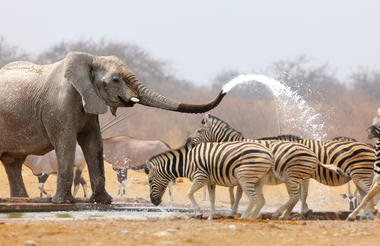
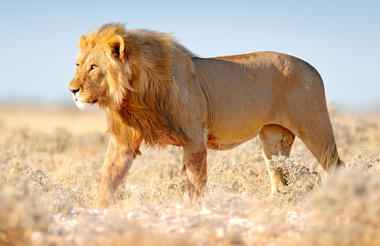
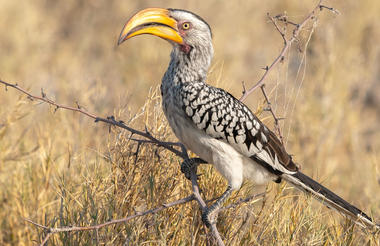
The Kavango region lies in northeastern Namibia and includes the western part of the Caprivi Strip to the northeast. The region is largely separated from Angola by the magnificent Kavango River, which dominates the area and is essential to the local Kavango people’s survival. This magnificent river and the surrounding thickly wooded savannah provides a striking contrast with the other more arid areas of Namibia. Bordering the Kavango River is the Mahango Game Reserve. Visitors can look forward to exploring this impressive reserve, featuring riverine forests, broad floodplains, and majestic baobab trees. This pristine natural environment forms an ideal habited for an astonising array of wildlife including large herds of elephant, a number of rare game species, and over four hundred species of bird.


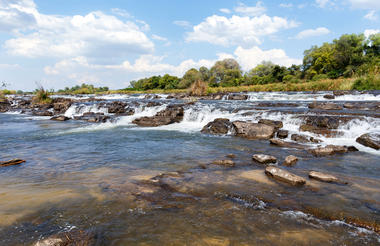
Flowing from the highlands of Angola and tracing the border with Namibia, the Okavango River is southern Africa’s fourth-longest river system and a lifeline of remarkable biodiversity. Before entering Botswana to form the famed Okavango Delta, it passes the scenic Popa Falls rapids, where visitors can take in the sound of rushing water against lush riverbanks. The surrounding landscapes are rich with wildlife, supporting over 70 fish species and more than 400 bird species, making the region a favourite for anglers and birders alike. Travellers can enjoy tranquil boat cruises, explore riverside reserves, or visit Rundu, the relaxed capital of Kavango East, where daily life unfolds along the water’s edge.
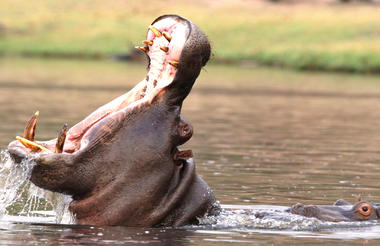
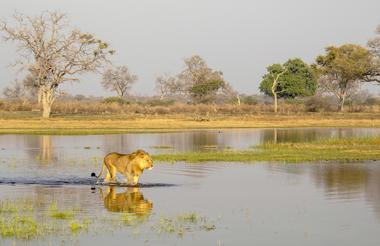

Set roughly 200 kilometres east of Rundu on the southeastern banks of the great Okavango River, the small village of Divundu is a wonderful destination from which to explore the river, game parks and national reserves of the area. Visitors can enjoy fishing or bird watching boat safaris, or visit the Mahango Game Park, which is home to herds of elephant as well as hippo, buffalo, giraffes, antelope, and many other animals. The spectacular Popa Falls, a dramatic series of cascades - are a popular must-see attraction. Divundu is also the perfect base for adventures in Botswana and the Okavango Delta.
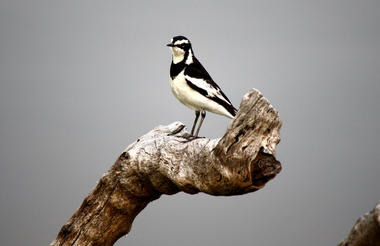
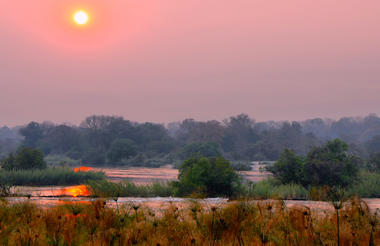
A pristine protected area bordering Botswana, Mahango Game Reserve in Namibia provides a convenient stopover between Rundu and Katima Mulilo and forms part of the beautiful Bwabwata National Park. Woodlands, the Kavango River, and vast floodplains of the Okavango River basin known as 'omurambas', dominate the park's landscape, and elephants, lions, leopards and different types of antelope - including red lechwes, sables and roans, - are among the 99 species of animals found here. This park is an excellent destination for avid bird watchers, with its 400-odd species, and provides the perfect location to catch a glimpse of crocodiles and hippos in the Kavango River. Besides guided daytime wildlife safaris, the reserve also offers nighttime game drives.


As previously described


The Chobe River forms the northern boundary of Chobe National Park and is one of southern Africa’s most rewarding wildlife riverfronts, especially in the dry season when animals concentrate along its banks. Elephant herds gather in large numbers at the water’s edge, hippos crowd the channels, and buffalo move regularly through the floodplain grasslands, while lions range through the wider system and may hunt buffalo in the surrounding landscape. The river also supports exceptional birdlife across reeds, sandbanks, and woodland edges, and visitors typically explore it through guided game drives on designated park tracks as well as boat safaris that bring them level with elephants and hippos along the shoreline.


Stretching over 6200 square kilometres in northeast Namibia, the Bwabwata National Park includes the Caprivi Game Park and the Mahango Game Reserve which extends along the narrow Caprivi strip. The park functions as a wildlife sanctuary and practices community-engaged conservation, which visitors can take part in. It has been dubbed the 'People's Park', as the local Caprivian people live in harmony with the land and the animals. With an ever-growing wildlife population, the park is home to many animals including elephant, leopard, lion, buffalo, wildebeest, crocodile, and red lechwe. Avid birdwatchers will be thrilled to find over 330 bird species in the area. Visitors can look forward to excellent game viewing, boat safaris, nature walks and camping under the brilliantly clear Namibian night sky.


As previously described


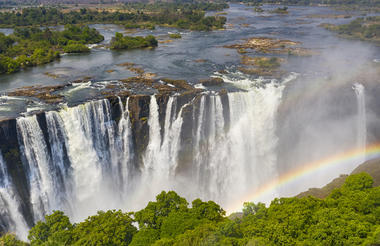
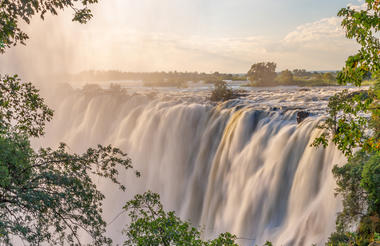
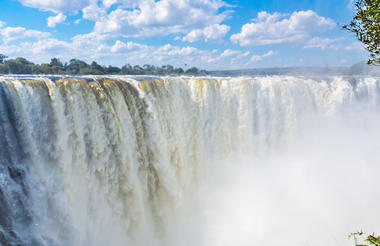
Resting on the southern banks of the Zambezi river at the western end of the eponymous falls, this popular tourist town is compact enough to walk around and makes an ideal base for travellers exploring the seventh wonder of the world, the unfathomably vast Victoria Falls. About two thirds of the falls can be viewed from the Zimbabwean side and, while the falls are undoubtedly the star attraction, the area provides both adventure seekers and sightseers with plenty of opportunities to warrant a longer stay. Popular activities include scenic flights over the falls in helicopters or micro lights, bungee jumping off the Victoria Falls Bridge, white-water rafting (seasonal), and day trips to Chobe National Park. The town itself offers some excellent accommodation and restaurant options as well as an eclectic variety of African curios and authentic art sold by friendly Zimbabwean locals who are wonderfully welcoming and eager to help you enjoy your stay. Please check your itinerary for inclusions.