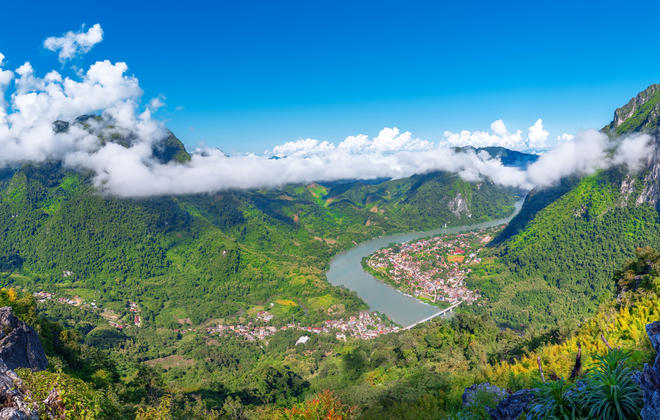
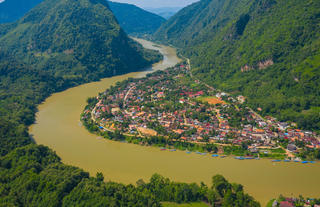
Wedged between a number of larger neighbouring countries, Laos is often overlooked in favour of tourism giants such as Thailand and Vietnam. But these travellers are missing out on an extraordinarily scenic and culturally rich destination. Laos boasts a reputation as the least visited, least Westernised, and most untouched of all Indochinese nations. Only time will tell how long this will last, but while it does, visitors who choose to explore this nation’s remote areas will be richly rewarded. Laos’ primary drawcard is undoubtedly the mighty Mekong River which traverses the length of the country and is considered the second most biodiverse river in the world. In the north, the landscape is characterised by little-explored jungle-clad mountainous areas where visitors can witness the intriguing cultures of the various hill tribes that populate this region. Travellers on the hunt for cultural interest should head for the bustling capital of Vientiane, with its innumerable temples and Buddhist monuments. It is this variety of exotic wildlife, remote wilderness and remarkable cultural treasures that make Laos a truly unique and unforgettable holiday destination.
Flanking the Chinese border in Laos’ far north, Luang Nam Tha Province is a landscape of emerald rice paddies, misty mountains and some of the country’s most pristine wilderness. Its crown jewel is the Nam Ha National Protected Area, a vast expanse of rainforest alive with rare wildlife and over 300 bird species. More than 20 ethnic groups call this province home, creating a vibrant cultural mosaic reflected in village life, artisan traditions and local cuisine. The provincial capital, Luang Nam Tha city, serves as the perfect launch point for exploring the region, offering easy access to trekking routes, mountain-biking trails, river kayaking and immersive community-based experiences. It’s a place where natural beauty, adventure and culture come together in one truly captivating corner of Laos.
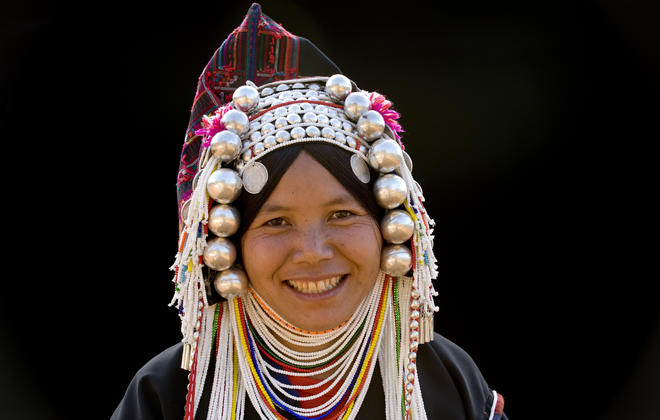


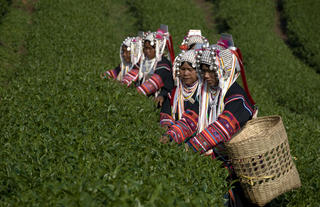
Oudomxay, a naturally beautiful and largely undeveloped province in northwestern Laos, is known for its mist-draped mountains, deep forests and remarkable cultural diversity, with numerous indigenous tribes calling the region home. Its capital, Muang Xay—often referred to simply as Oudomxay—is the main transport hub for northern Laos and an ideal base for travellers eager to explore the surrounding wilderness on foot. Highlights include the province’s many caves and waterfalls, the 600-year-old Phouthat Stupa perched above town, the revered Phachaosingkham Temple, and the tranquil Nam Hin Lake. Visits to traditional villages offer meaningful encounters with local communities and insight into centuries-old customs. For a gentler pace, Muang Xay’s lively night market provides an easygoing evening out, with stalls selling local dishes, drinks, handicrafts and clothing. Rugged, authentic and culturally rich, Oudomxay offers a rewarding glimpse into northern Laos beyond the well-trodden path.
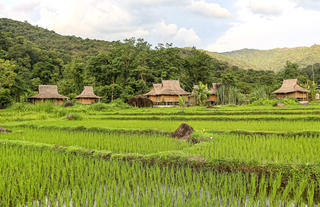


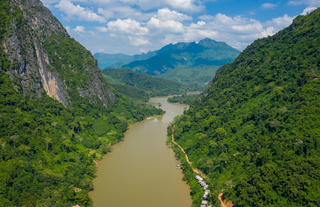
Set amid dramatic limestone cliffs along the serene Ou River, Nong Khiaw is a picturesque riverside town that invites travellers to slow down and linger for days. Verdant jungle trails lead to remote hill-tribe villages where traditional dress and time-honoured customs remain part of daily life, while bamboo-raft trips down the river reveal sweeping views of lush mountains and quiet rural scenes. A short, scenic 2-kilometre walk takes visitors to the historic Pha Tok Caves, once a refuge for Pathet Lao soldiers during the Second Indochina War. After a day of exploring, the town’s simple spas offer soothing steam baths and traditional massages—an ideal way to unwind as sunset settles over the cliffs. Rugged, peaceful and visually spectacular, Nong Khiaw is one of northern Laos’s most captivating small-town escapes.