Toronto, the capital city of Ontario, is a vibrant, multi-cultural city that boasts an incredible range of attractions and events. Perhaps its best-known landmark is the world-famous CN Tower, a national icon and one of the world’s tallest buildings. Visitors rocket to the top at 15 mph in a dizzying, 58-second elevator ride then enjoy 360-degree city views from the fine dining restaurant at the pinnacle. Visitors to Toronto can enjoy discovering the artwork and all the action in the boutiques, galleries, theatres and cafés of the pedestrian-only Distillery District, or hit the high-end boutiques on Bloor Street and at the Eaton's Centre. Later they can take in world-class theatre, opera, symphony and more in the booming theatre district or head for the Beaches, the city’s popular lakefront neighbourhood where sidewalk cafés, trendy restaurants and pubs welcome everyone from bohemian artists to financiers.


Kangerlussuaq Fjord is a striking 180‑kilometre-long fjord in western Greenland, serving as a gateway to the Arctic wilderness. Flanked by sweeping tundra and rugged mountains, the deep waters provide a dramatic backdrop for the inland town of Kangerlussuaq, a former American military base once known as Sondrestrom. Today, the town functions as a major transportation hub, connecting travellers to Greenland’s interior and the nearby Greenland Ice Sheet. The fjord’s unique location offers nearly 300 clear nights each year, making it ideal for witnessing the midnight sun in summer and the northern lights in winter. Rich Arctic wildlife, including musk oxen, Arctic foxes, and migratory birds, inhabit the surrounding tundra. With its combination of scenic landscapes, rare road access to the ice sheet, and stable weather, Kangerlussuaq Fjord is a must‑visit destination for Arctic adventurers and nature enthusiasts.


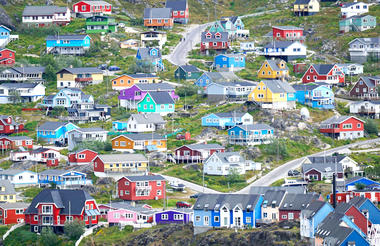
Set along Greenland’s west coast, Sisimiut lies north of the Arctic Circle, where tundra, low mountains, and rocky shoreline define the surroundings. Brightly painted wooden houses are scattered across the slopes, their colours standing out against snow and ice for much of the year. Trails from the town lead to nearby ridges for day hikes and connect to the long-distance Arctic Circle Trail, a marked route that stretches across western Greenland between Sisimiut and the small inland settlement of Kangerlussuaq. Frozen paths support dog sledging and snowmobiling in winter, while the harbour remains active with fishing boats connecting the settlement to surrounding waters. The Sisimiut Museum occupies historic colonial buildings and includes Greenland’s oldest church, Bethelkirken, also known as the Blue Church, with exhibits presenting the area’s history from the early Saqqaq culture to more recent centuries.


Ilulissat is located on the western coast of Greenland at the southern end of Disko Bay, the country’s premier tourist region. The city is situated at the mouth of the immense Ilulissat Ice Fjord. A UNESCO World Heritage Site, the Ilulissat Ice Fjord is a geographical marvel, where a constantly advancing glacier slowly feeds icebergs into the fjord. Hiking is very popular in the mountains and around the lakes of the region, and there are also opportunities for fishing and dog-sledding. In terms of cultural sights, the Ilulissat Museum pays homage to the explorer Knud Rasmussen, and the Ilulissat Art Museum holds works by Emanuel A. Petersen among others. Finally, boat trips to scenic Disko Island are easily organised via the company Disko Line.


Greenland was recently voted by Lonely Planet as one of the top 10 countries to visit, and the world’s largest island certainly lives up to its new found reputation as a hot travel destination. As the biggest non-continental island on earth, Greenland is blessed with vast expanses of untouched wilderness, magnificent glaciers, relaxing hot springs and the world’s largest national park, the Northeast Greenland National Park. As the central region of the country is covered by thick ice, the majority of the 56,615 strong population resides in the warmer coastal areas. This coastal strip is strewn with picturesque little villages dotted with brightly painted wooden cottages, a number of small friendly towns, and of course the lively capital, Nuuk Town. These urban areas offer an intriguing mix of modern convenience and traditional Greenlandic culture such as the use of dog-sleds as a primary mode of transport! With its fascinating and unique cultural eccentricities, its abundance of remarkable wildlife, and its unbeatable scenery, Greenland always offers a truly unforgettable and exceptionally adventurous holiday experience.
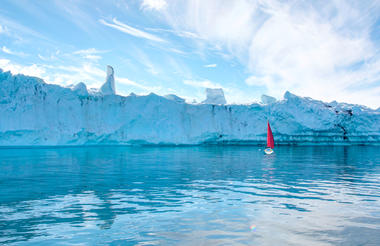
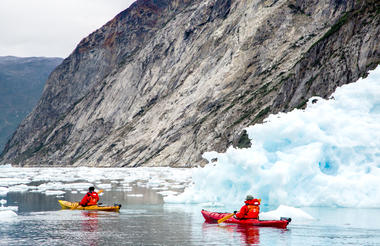
Resting on the Northern tip of Baffin Island in the Qikiqtaaluk Region of Nunavut, Canada, Pond Inlet is a picturesque hamlet inhabited by a traditional Inuit community. This popular polar arctic destination boasts some spectacularly scenic surroundings characterised by dramatic fjords, glaciers, and icebergs. This magnificent wilderness area is home to a remarkable array of wildlife species including, among others: wolves, foxes, caribou, orca whales, and large pods of narwhals. Popular activities in the area include snowmobiling, dog team tours, cross-country skiing, igloo camping, boat trips for sport fishing and wildlife watching, or sea kayaking among the icebergs. Must-see sights include the Sirmilik National Park, which offers some excellent hiking; and the Tamaarvik Territorial Park, which is an ideal location for an adventurous camping trip.


Lancaster sound, also known as Tallurutiup Imanga is a marine protected area located in the Qikiqtaaluk Region of Nunavut, Canada. The marine conservation area is protected in conjunction with the local Inuit community to conserve the rich biodiversity of Lancaster Sound and its connected waterways, as it is one of the Arctic’s most biologically productive marine ecosystems. Lancaster Sound is an area of stunning coastal beauty. It is surrounded by ice-covered mountains, deep fjords, tidewater glaciers, river valleys, and lush plains. Visit the Franklin Expedition graves at Beechey Island, hike on Devon Island, the largest uninhabited island on Earth, and cruise among icebergs at Ilulissat Icefjord, a UNESCO World Heritage Site.


Located in the Canadian Arctic Archipelago, Beechey Island holds historical significance as a site of great exploration. It became renowned due to the tragic Franklin Expedition of 1845. The island's desolate landscape features rugged cliffs and icy shores, creating an eerie and haunting atmosphere. Franklin's crew members, who perished during their attempt to find the Northwest Passage, are buried here. Their graves, marked by poignant memorials, stand as solemn reminders of the perils faced by early Arctic explorers. Today, wildlife enthusiasts can spot Arctic species, and historians can immerse themselves in the narratives of exploration that still echo across this frozen frontier.


Located in the administrative region of Nunavut, Canada, the Kitikmeot Region encompasses King William Island, the southern portion of Prince of Wales Island, the southern and eastern parts of Victoria Island with the adjacent part of the mainland as far as the Boothia Peninsula. The region is home to a collection of protected areas including Ovayok Territorial Park, the North-West Passage Territorial Park, the Kuklok Territorial Park and the Queen Maud Gulf Bird Sanctuary. Don't miss the opportunity to explore the magnificent landscapes and local communities of the Kitikmeot Region. Popular outdoor activities include fishing, hiking, dog sledding, snowmobiling and cross-country skiing.


As previously described

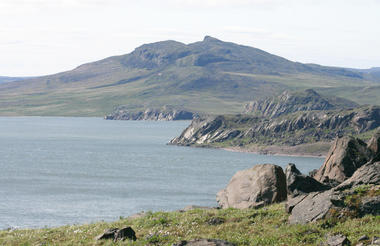
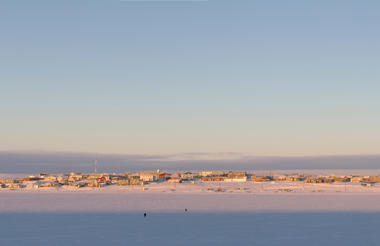
Situated on the north shore of the Great Slave Lake, the capital of Canada’s Northwest Territories, Yellowknife beckons adventurers, nature lovers, history buffs, and anyone yearning for pure nature. (If you had to draw a line from Yellowknife to the Arctic Ocean no road would cross your path.) A visit to the Northern Frontier Visitors Centre will assist you in making the most of it, but must-do’s include the scenic Ingraham Trail, a visit to the colourful houseboats of Yellowknife’s Old Town, and the exhibits at the Prince of Wales Northern Heritage Centre. And if you’re there in winter or autumn, the Northern Lights will put on a show.