One of the most culturally and geographically diverse places on earth, South Africa, fondly known by locals as the 'Rainbow Nation,' boasts 11 official languages and its inhabitants are influenced by a fascinating mix of cultures. Discover the gourmet restaurants, impressive art scene, vibrant nightlife, and beautiful beaches of Cape Town. Enjoy a local braai (barbecue) in the Soweto township, browse the bustling Indian markets in Durban, or sample some of the world's finest wines at the myriad wine estates dotting the Cape Winelands. Some historical attractions to explore include the Apartheid Museum in Johannesburg and Robben Island just off the coast of Cape Town. Above all else, its untamed wilderness is astonishing. Wildlife roams across massive game reserves such as the world-famous Kruger National Park, one of the largest national parks in the world, with an area of 19,485 km2 (7,523 sq mi).
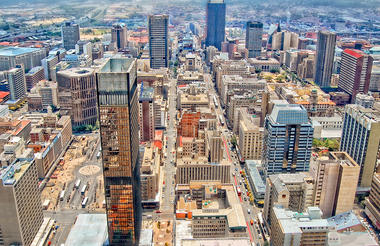
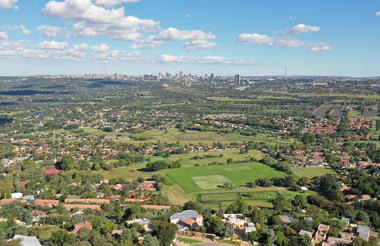
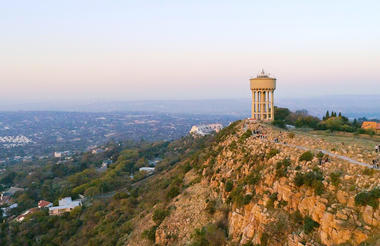
Johannesburg was initially developed in response to the discovery of gold in the mineral-rich area called Witwatersrand. Today, it is the business center of the country and has an urban area population of around 15 million people, making it one of the world’s largest cities in both area size and population. Johannesburg, affectionately known as Joburg or Jozi to its residents, has also re-incorporated Soweto (once one of the largest townships in the world) back into it. Soweto, which stands for “southwestern townships,” was separate from the city during apartheid and was home to many of the city’s gold and diamond workers.
Zimbabwe is a captivating destination in southern Africa, renowned for its dramatic landscapes, abundant wildlife, and rich cultural heritage. The country is home to some of the continent’s most iconic natural attractions, including Victoria Falls, one of the world’s largest waterfalls, where the mighty Zambezi River plunges into a deep gorge in a spectacular display of power. Wildlife enthusiasts can explore Hwange National Park, famous for its large elephant population and diverse game viewing opportunities, or visit Mana Pools National Park, a UNESCO World Heritage Site known for its walking safaris, canoeing adventures, and close wildlife encounters. Lake Kariba, one of the world's largest man-made lakes, offers scenic boat cruises, excellent fishing, and breathtaking sunsets. Combining adventure, natural beauty, and authentic safari experiences, Zimbabwe remains one of Africa’s most rewarding travel destinations.
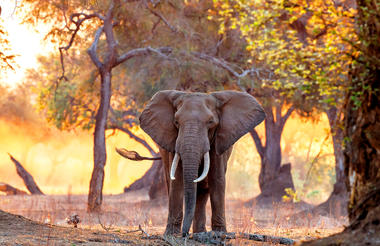
Meaning “four” in the local Shona language, Mana refers to the park’s four large pools that are vestiges of ancient ox-bow lakes that were carved out over time by the mighty Zambezi River. The life-giving power of the Zambezi River makes Mana Pools National Park one of Zimbabwe’s most lush and flourishing regions. Characterised by a diversity of landscapes including floodplains, forests, and baobab trees, the park has been designated as a UNESCO World Heritage Site for its natural beauty, providing a fantastic destination for photographers. It is an Important Bird Area and is also one of the continent’s premier game-viewing locations, known for its good chances of seeing elephants, wild dogs, lions, and leopards. Visitors can look forward to an array of activities such as canoe trips, guided walks, game drives, river cruises, nature walks, bird watching, and catch-and-release fishing.


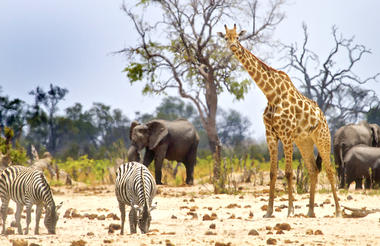
Situated in western Zimbabwe, the Hwange National Park is the country's biggest reserve, home to a profusion of wildlife, including giraffe, lion, zebra and approximately 40 000 elephants. It provides a sanctuary for all the country’s endangered species, including a population of wild dogs thought to be among the most sizeable surviving groups on the continent. The park’s magnificent terrain ranges from desert dunes, savannah lands and mopane woodlands to rocky outcrops and sparse forests. Visitors can look forward to game drives, guided walks or horse riding safaris. Other highlights include: the Bumbusi National Monument and the Nyamandhlovu Pan.
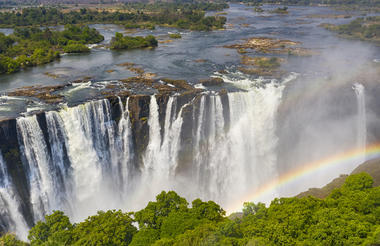
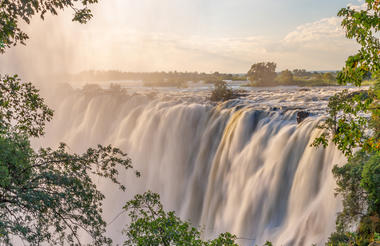
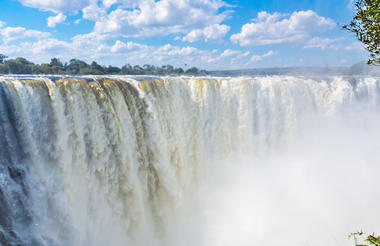
Known locally as Mosi-oa-Tunya—“The Smoke That Thunders”—Victoria Falls is one of the world’s great natural landmarks. Straddling the Zambezi River between Zambia and Zimbabwe, it forms a vast curtain of water that fills the air with mist and sound. The Zimbabwean side grants the most dramatic views, where mist rises like ghostly curtains and rainbows arc through the spray. Measuring about 1,708 metres across, it is regarded as the largest single continuous sheet of falling water on Earth. The adjacent town of Victoria Falls provides a convenient base for exploring the region, with a wide range of activities from scenic flights and microlight trips to white-water rafting, bungee jumping, kayaking, and safaris into Chobe National Park.