Situated in the southern reaches of Africa, Botswana is renowned for its pristine wilderness areas characterised by deep lagoons, wetlands, lush palms, rugged hills and desert plains. The country’s primary tourist drawcard is undoubtedly the vast red expanse of the Kalahari Desert and its remarkably beautiful Okavango Delta, the largest inland delta in the world. These natural wonders provide a tranquil haven for an abundance of African wildlife to thrive. Other highlights include the impressive Makgadikgadi Salt Pans, where visitors are privy to massive zebra migrations during the flood season; the Savuti plains, which host a significant pride of lions; and the Tsodilo Hills, where 4500 rock paintings form a unique record of human settlement over many millennia.
Deception Valley Private Reserve, situated on the northeastern boundary of the Central Kalahari Game Reserve, stands as one of Botswana's largest privately-owned game conservancies, encompassing an impressive 43,000 hectares of pristine Kalahari bushveld. Stretching across a significant portion of Botswana's landscape, the vast wilderness of the semi-arid Kalahari Desert unfolds with expansive plains, shimmering salt pans, picturesque sands, and traces of ancient riverbeds. Within this captivating environment thrive a diverse array of desert-adapted wildlife, including oryx, springbok, eland, and formidable predators such as lion, brown hyena, and cheetah. These species offer just a glimpse into the abundant biodiversity characterizing Botswana's desert ecosystems. The nation's dedication to conservation has played a pivotal role in sustaining robust populations of these creatures in their natural habitats, and Deception Valley Private Reserve stands as a testament to preserving the richness of these unique environments.


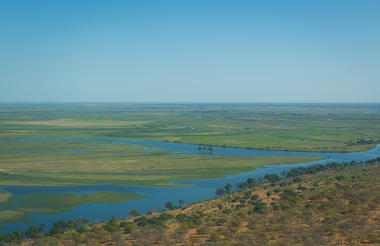
Northern Botswana’s Boteti River, forming the western boundary of Makgadikgadi Pans National Park, lies within the basin of the ancient Lake Makgadikgadi. Each year, thousands of zebras and wildebeests migrate between the pans and the river, joined by springbok, gemsbok, elephants, and hippos along its banks. Birdwatchers encounter pelicans, fish eagles, and herons here, while the nearby pans transform into breeding grounds for vast flamingo colonies after the rains. Visitors can explore by game drive or boat when water levels permit, take quad biking excursions across the salt flats, sleep under the stars, or join cultural tours with local communities.


Situated on the eastern side of the Okavango Delta in north-western Botswana, Moremi Game Reserve is one of Africa's most celebrated wildlife reserves, protecting an extraordinary mosaic of floodplains, lagoons, forests and open grasslands. As the first reserve in Africa established by a local community, it is recognised for both its conservation significance and its exceptional biodiversity. Visitors can enjoy game drives and seasonal mokoro or motorboat excursions, with opportunities to spot elephants, lions, leopards, African wild dogs and abundant birdlife in remarkably varied habitats. The ever-changing landscapes, where winding waterways meet acacia woodlands and sweeping plains, create a memorable safari experience that combines outstanding wildlife viewing with the untamed beauty of the Okavango Delta.


The Chobe River forms the northern boundary of the Chobe National Park which is renowned for its diverse and abundant game viewing opportunities. This section of the park is best known for its dense concentration of wildlife, including elephant and hippo populations, but the waters attract all manner of game including large herds of buffalo and the lions that prey on them - a visit to the Chobe River Front guarantees close encounters with an array of African wildlife. Visitors can look forward to a range of exciting activities such as 4WD along the banks; motorboat cruises; and rare birdlife spotting.
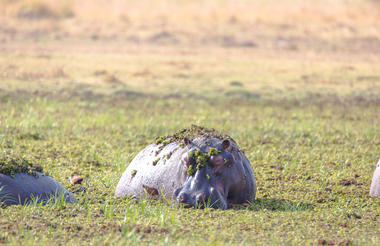

Zimbabwe is a captivating destination in southern Africa, renowned for its dramatic landscapes, abundant wildlife, and rich cultural heritage. The country is home to some of the continent’s most iconic natural attractions, including Victoria Falls, one of the world’s largest waterfalls, where the mighty Zambezi River plunges into a deep gorge in a spectacular display of power. Wildlife enthusiasts can explore Hwange National Park, famous for its large elephant population and diverse game viewing opportunities, or visit Mana Pools National Park, a UNESCO World Heritage Site known for its walking safaris, canoeing adventures, and close wildlife encounters. Lake Kariba, one of the world's largest man-made lakes, offers scenic boat cruises, excellent fishing, and breathtaking sunsets. Combining adventure, natural beauty, and authentic safari experiences, Zimbabwe remains one of Africa’s most rewarding travel destinations.
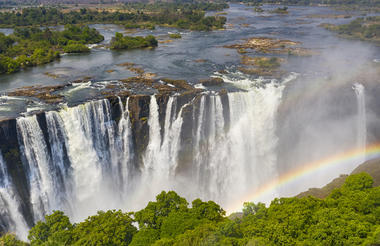
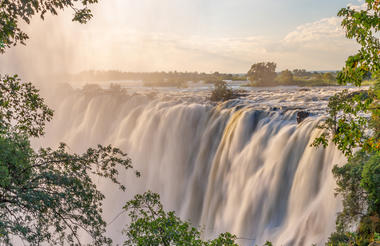
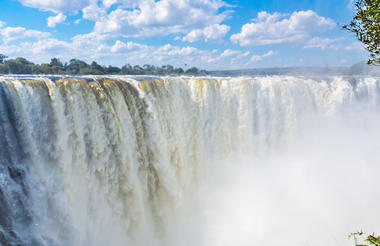
Known locally as Mosi-oa-Tunya—“The Smoke That Thunders”—Victoria Falls is one of the world’s great natural landmarks. Straddling the Zambezi River between Zambia and Zimbabwe, it forms a vast curtain of water that fills the air with mist and sound. The Zimbabwean side grants the most dramatic views, where mist rises like ghostly curtains and rainbows arc through the spray. Measuring about 1,708 metres across, it is regarded as the largest single continuous sheet of falling water on Earth. The adjacent town of Victoria Falls provides a convenient base for exploring the region, with a wide range of activities from scenic flights and microlight trips to white-water rafting, bungee jumping, kayaking, and safaris into Chobe National Park.