


Situated in the Indian Ocean, approximately 2000 kilometres off the southeast coast of Africa, Mauritius is a tropical island nation celebrated for its sheltered lagoons, volcanic landscapes and rich multicultural heritage. Extensive coral reefs protect much of the coastline, creating calm waters for swimming, snorkelling, diving and other water sports. Beyond the beaches, visitors can explore forested mountains, waterfalls, botanical gardens and scenic hiking trails, while vibrant towns and villages showcase the island's blend of African, Indian, Chinese and European influences through their architecture, cuisine and traditions. With its diverse scenery, outdoor activities and distinctive cultural character, Mauritius appeals to travellers seeking both relaxation and exploration.


Once a sleepy little fishing village, Grand Baie (Grand Bay) has developed into a thriving tourist town on the north coast of the island of Mauritius. This popular resort serves as a convenient base for travellers exploring the rest of the island, offering a number of designer boutiques, fine restaurants, beach bars and nightclubs. Aside from relaxing on the exquisite white-sand beaches of the bay, visitors can enjoy a variety of outdoor activities including swimming, scuba diving, sailing, water-skiing, deep-sea fishing, windsurfing, kitesurfing, parasailing and even submarine excursions. A spectacular range of marine animals inhabits the crystal-clear waters here.
This vast country is undoubtedly one of the most culturally and geographically diverse places on earth. Fondly known by locals as the 'Rainbow Nation', South Africa has 11 official languages and its multicultural inhabitants are influenced by a fascinating mix of African, Asian and European cultures. Spend your days: discovering the gourmet restaurants, impressive art and nightlife scenes and fine beaches of Cape Town; enjoying a typical local braai (barbecue) in the Soweto township; browsing the bustling Indian markets in Durban; or sampling some of the world’s finest wines at the myriad wine estates dotted around the picturesque Cape Winelands. Due to its rich and turbulent history there are plenty of historical attractions to explore including the Zululand battlefields of KwaZulu-Natal, the Apartheid Museum in Johannesburg and Robben Island, just off the coast of Cape Town. Above all else, South Africa’s attraction lies in its remarkably untamed wilderness with its astonishing range of wildlife roaming freely across massive unfenced game reserves such as the world famous Kruger National Park. With all of this variety on offer, it is little wonder that South Africa has fast become Africa’s most popular tourist destination.
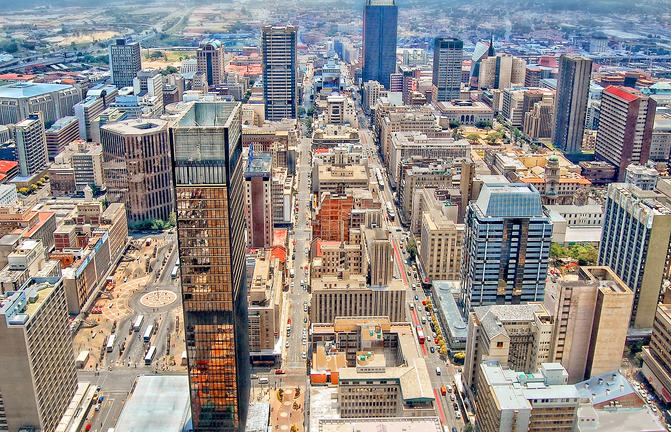
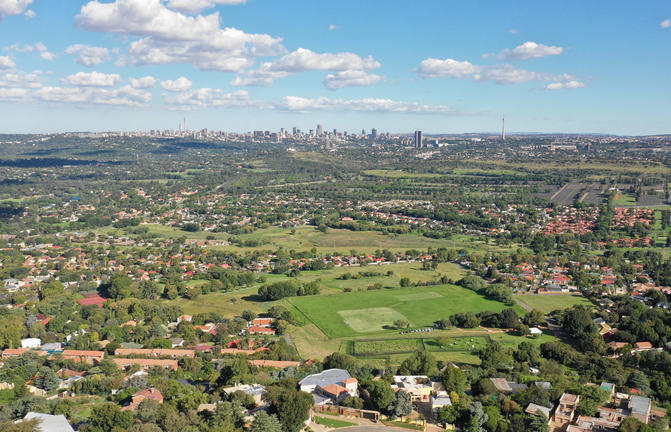
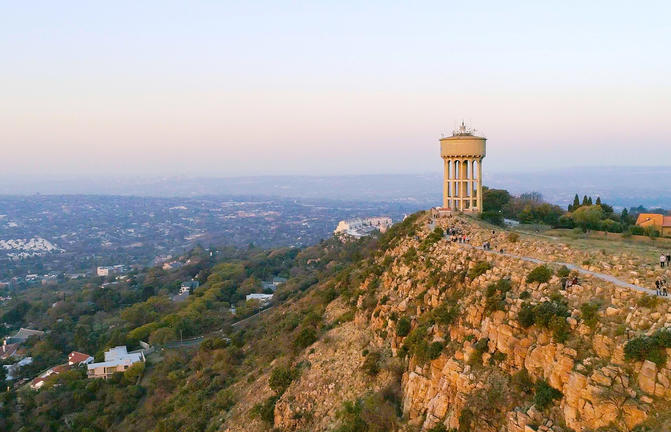
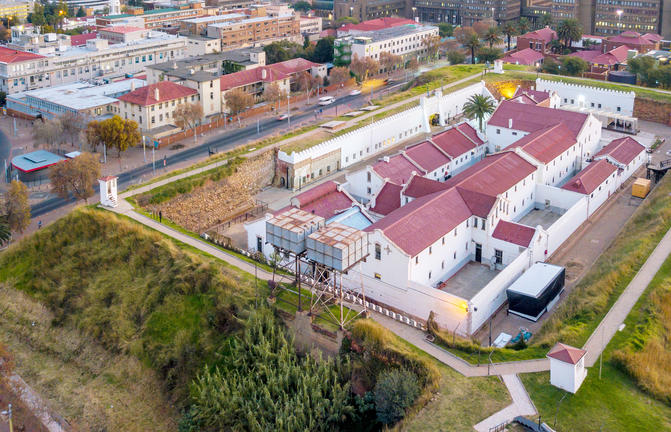
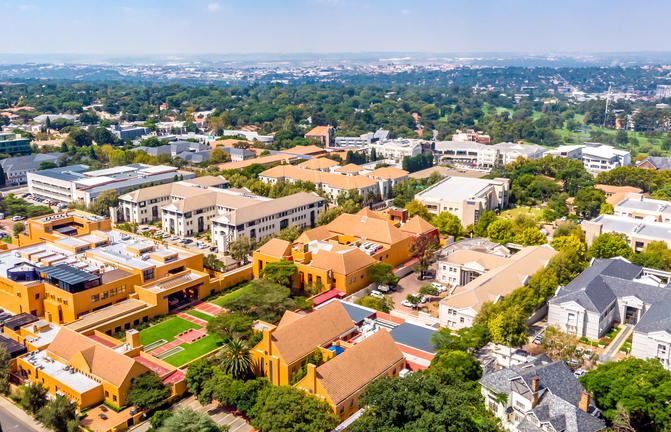
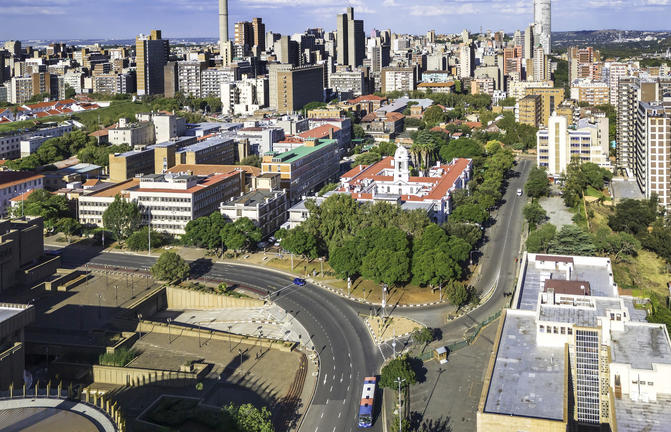
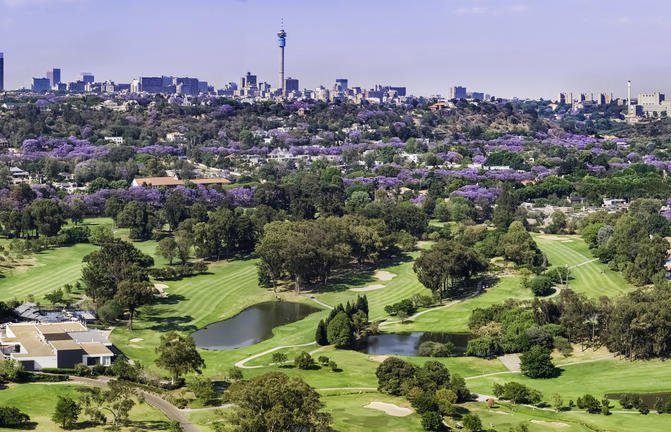
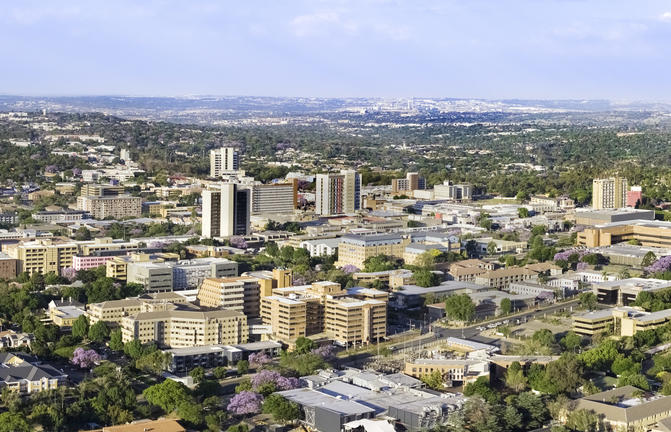
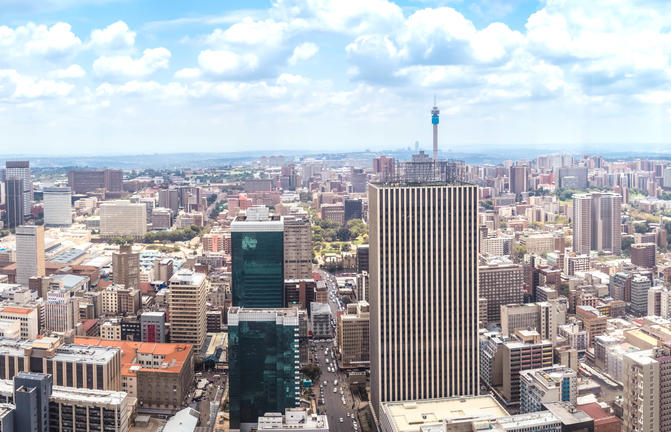
Johannesburg is one of Africa’s biggest and most vibrant cities. It is the economic capital of Africa and the gateway to Southern Africa. Although not as famous as other South African destinations, there is plenty to do in Johannesburg and nearby Pretoria. The old city is a multi-cultural mixture of traditional medicine shops, Chinese restaurants, taxi ranks and ultra modern skyscrapers. There are excellent museums, art galleries and organised tours of historical and political interest. The shopping is Southern Africa’s best and the many restaurants cater for all tastes. The nearby township of Soweto is Johannesburg’s most popular tourist attraction.
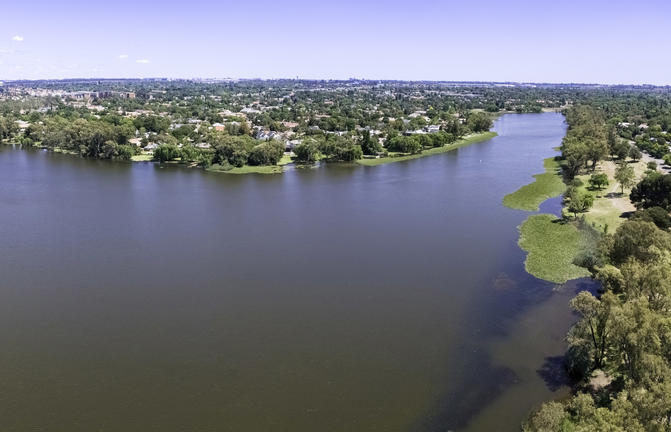
Situated in the southern reaches of Africa, Botswana is renowned for its pristine wilderness areas characterised by deep lagoons, wetlands, lush palms, rugged hills and desert plains. The country’s primary tourist drawcard is undoubtedly the vast red expanse of the Kalahari Desert and its remarkably beautiful Okavango Delta, the largest inland delta in the world. These natural wonders provide a tranquil haven for an abundance of African wildlife to thrive. Other highlights include the impressive Makgadikgadi Salt Pans, where visitors are privy to massive zebra migrations during the flood season; the Savuti plains, which host a significant pride of lions; and the Tsodilo Hills, where 4500 rock paintings form a unique record of human settlement over many millennia.
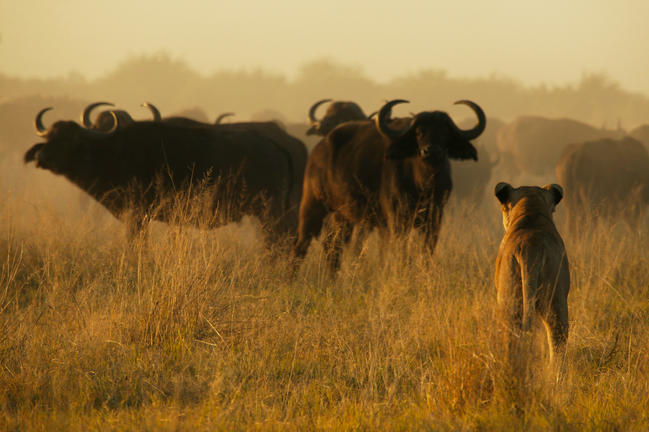
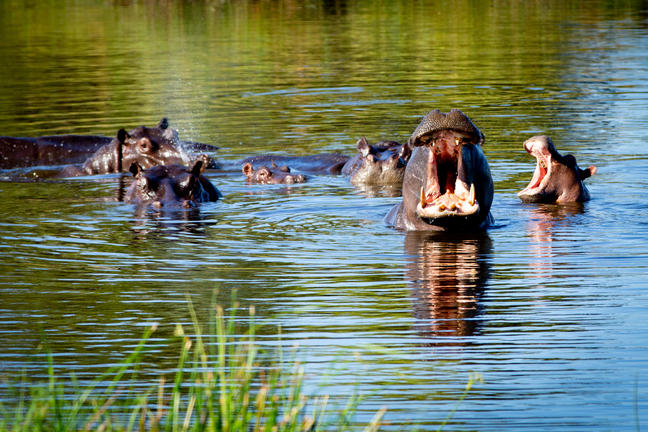
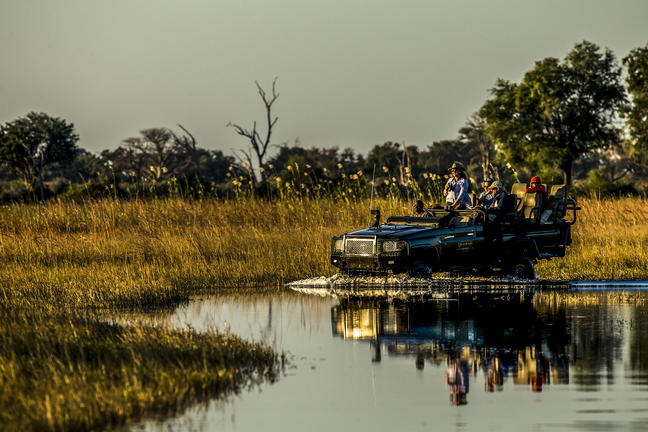
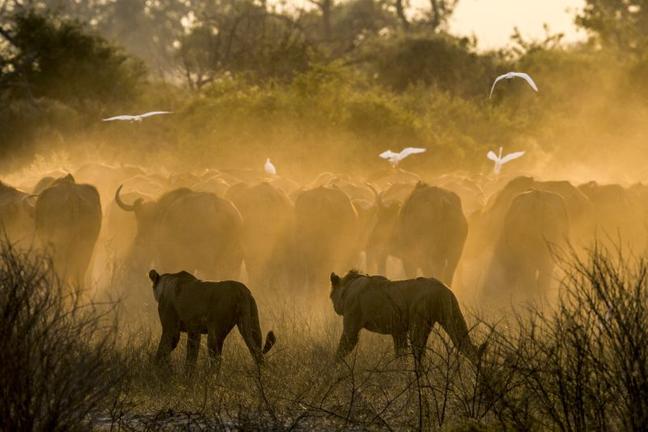
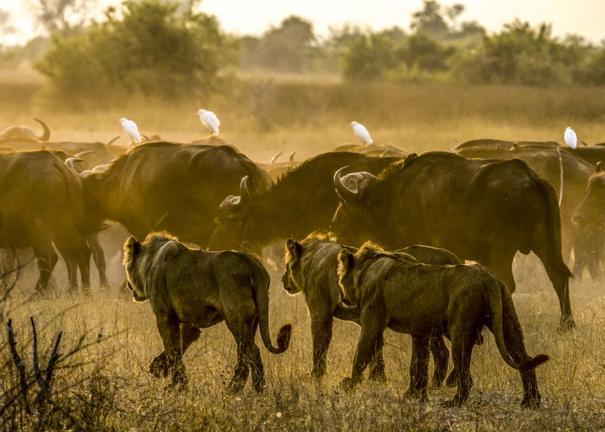
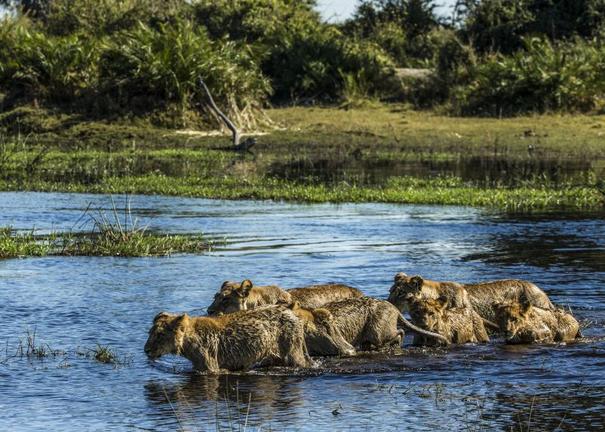
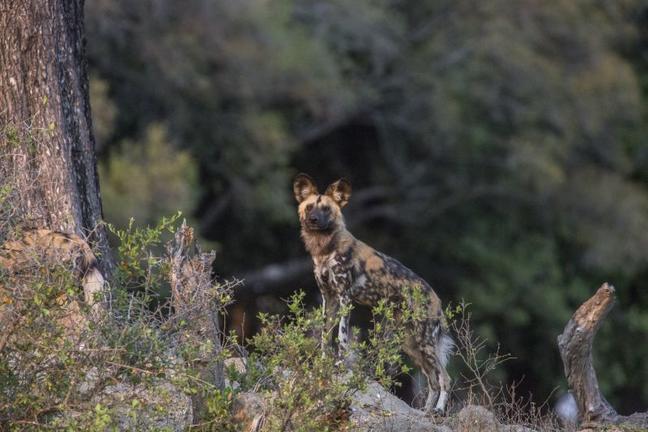
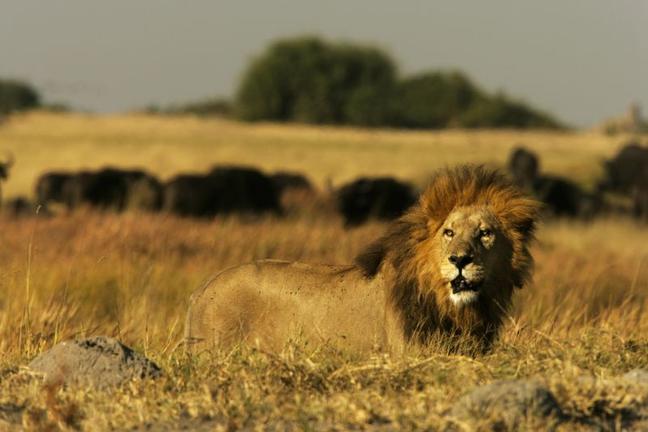
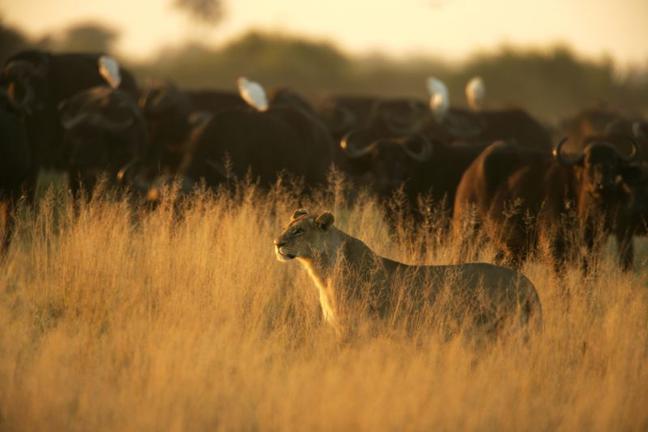
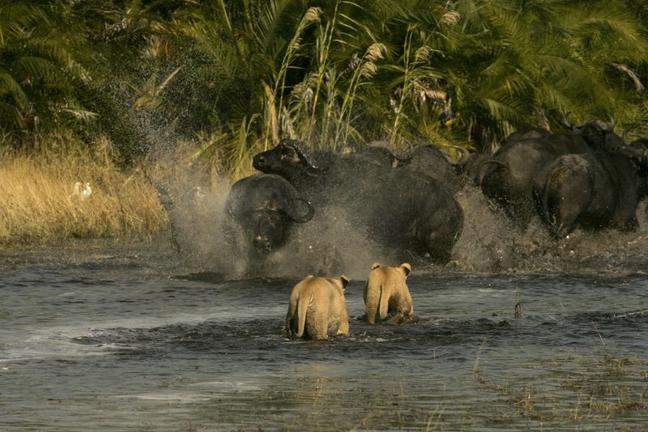
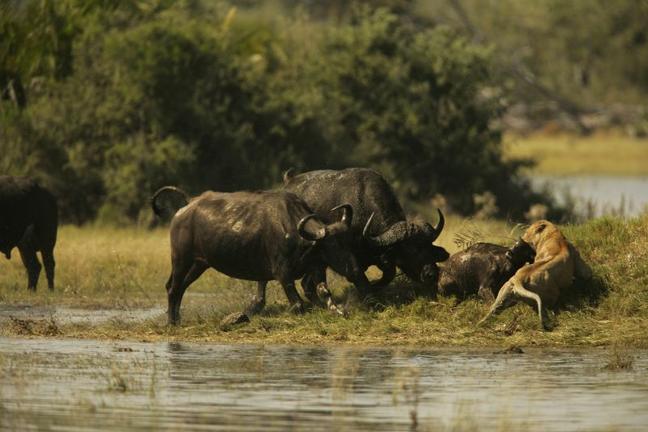
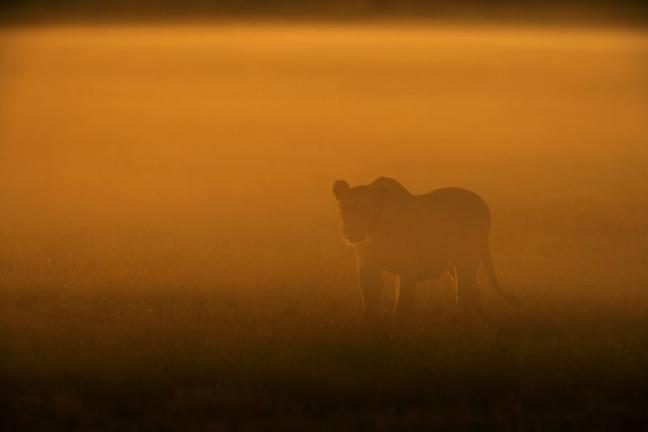
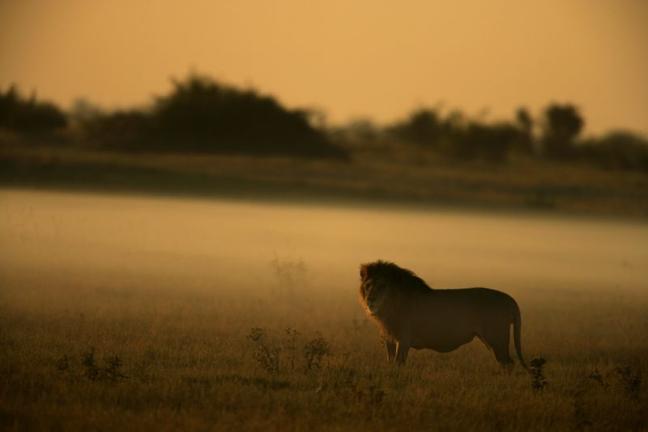
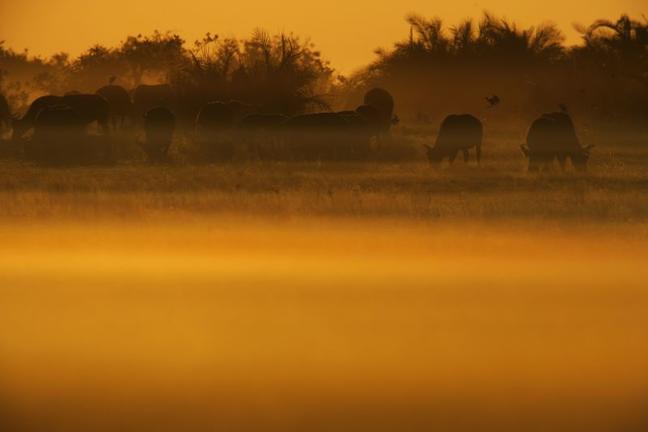
Set in the enthralling Okavango Delta, the Duba Plains Private Reserve is one of the best places to start exploring Botswana's wild areas. The landscape is characterised by vast plains dotted with fig, ebony, and garcinia trees and traversed by a network of pristine waterways. Visitors can look forward to leisurely boating excursions along the tranquil rivers of the Delta, thrilling game drives, and mystical night drives in the African bush to spot a wealth of nocturnal wildlife. Commonly spotted species include hippo, blue wildebeest, hyena, giraffe, elephant, lechwe, buffalo, tsessebe, and warthog. Visitors can spot up to 200 species of birds, take horse riding safaris through the untouched grasslands, and enjoy a glass of wine under the African night sky.


