

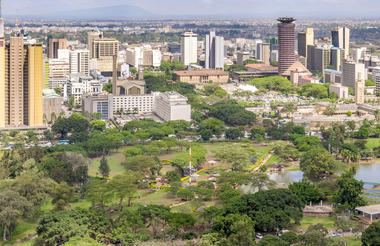
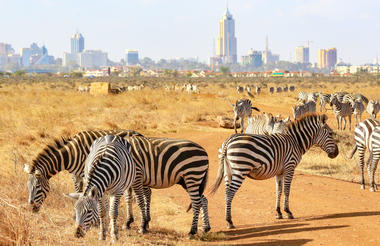
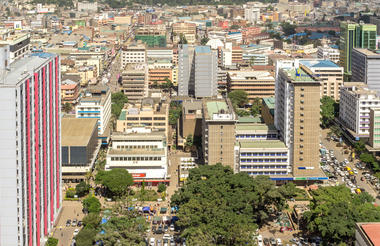
Widely regarded as one of East Africa’s most dynamic and cosmopolitan cities, Nairobi sits along the Nairobi River and serves as Kenya’s capital and largest urban centre, acting as a major gateway for safari travel across the country. The city features a growing café culture, active nightlife, and cultural landmarks such as the National Museum of Kenya and the Karen Blixen Museum. Just outside the city centre lies Nairobi National Park, where wildlife, including lions, giraffes, and buffalo, roam against a backdrop of skyscrapers — one of the rare cases in the world where a major national park borders a capital city. Visitors also often stop at the David Sheldrick Wildlife Trust elephant orphanage for close encounters with rescued calves.
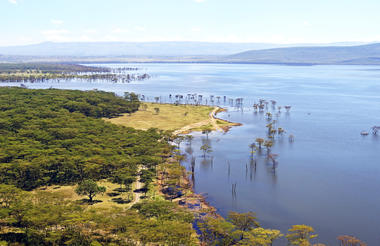
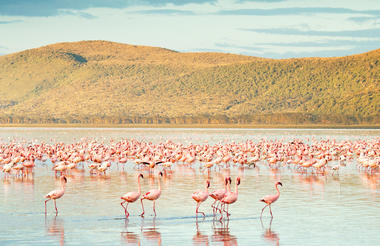
Nakuru is a fascinating city on the shores of western Kenya’s Lake Nakuru. The capital of Nakuru County located in the Great Rift Valley, about ten kilometres from the massive Menengai Crater. A hiking trail leads up to the rim of this ancient caldera, offering bird’s eye views over the lake and surrounds, and then plunges 400 metres down to the floor below, where visitors can walk among ancient forests. Lake Nakuru National Park, surrounding Nakuru, is home to exceptional birdlife, as well as over 50 varieties of mammals including lion, leopard, buffalo, zebra, giraffe, rhino, antelope and various primates. History and culture enthusiasts should make sure to visit the incredible Hyrax Hill prehistoric site.
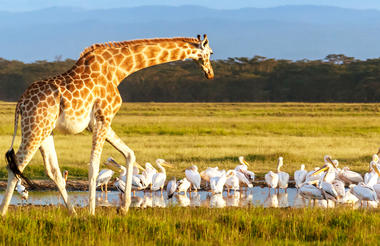
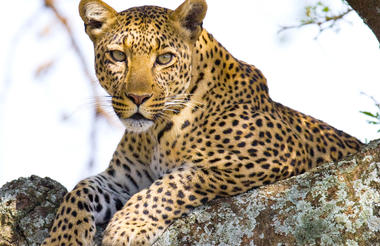
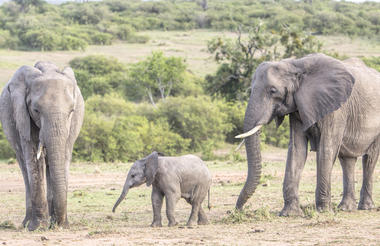
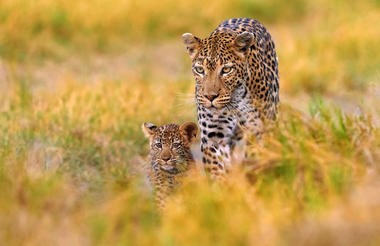
The Olare Motorogi Conservancy is an 85 square kilometre expanse of prime private wilderness in southwest Kenya; part of the Maasai Mara-Serengeti ecosystem and wildlife dispersal zone. The conservancy lies immediately to the northwest of the main Maasai Mara Reserve. Tourism is limited to a maximum of 94 beds which maximizes the client's wilderness experience and minimizes the environmental impact of tourism. Open hills provide a habitat for a diverse range of grazers, including giraffes, zebras, hartebeests, and warthogs. These herds attract large numbers of predators, including lions, cheetahs, hyenas, and jackals. In between the hills run a number of small seasonal streams, fringed by stretches of forest which are home to a broader range of species including baboons, elephants, buffaloes, hippos, and leopards.
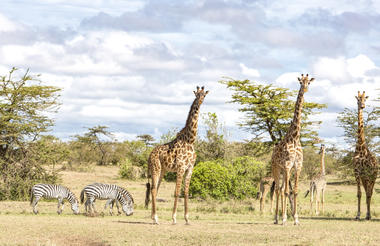
Situated in Kenya’s Great Rift Valley, around 90 kilometres north-west of Nairobi, Naivasha is a lively town that serves as the gateway to Lake Naivasha, one of the country's most important freshwater lakes. The surrounding Lake Naivasha basin is a popular base for exploring volcanic landscapes, nature reserves and national parks. Visitors can take boat trips across the water to spot hippos and a wide variety of birdlife, walk among free-roaming giraffes, zebras and antelope on Crescent Island, or explore the dramatic gorges and cliffs of Hell’s Gate National Park on foot or by bicycle. Surrounded by acacia woodland and Rift Valley escarpments, the region offers a distinctive blend of outdoor adventure, wildlife encounters and natural beauty.


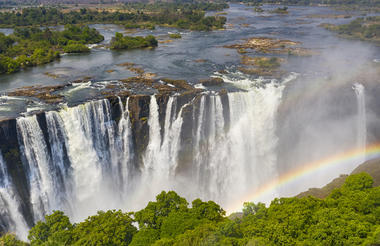
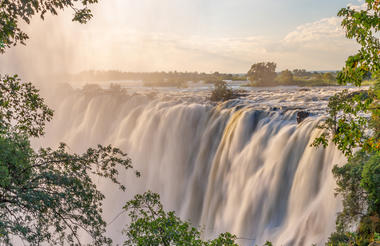
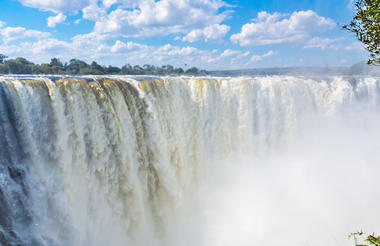
Known locally as Mosi-oa-Tunya—“The Smoke That Thunders”—Victoria Falls is one of the world’s great natural landmarks. Straddling the Zambezi River between Zambia and Zimbabwe, it forms a vast curtain of water that fills the air with mist and sound. The Zimbabwean side grants the most dramatic views, where mist rises like ghostly curtains and rainbows arc through the spray. Measuring about 1,708 metres across, it is regarded as the largest single continuous sheet of falling water on Earth. The adjacent town of Victoria Falls provides a convenient base for exploring the region, with a wide range of activities from scenic flights and microlight trips to white-water rafting, bungee jumping, kayaking, and safaris into Chobe National Park.
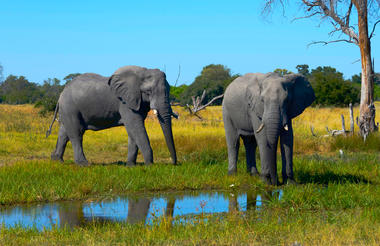
Forming the boundary between Botswana and Namibia is the Chobe River - one of the most well-known perennial rivers in Africa. The Chobe River Front encompasses vast floodplains fringed by lush riverine woodlands. The abundant wildlife inhabiting the river and its shores can be viewed from a river safari where visitors can spot elephants, hippo, water-loving antelope including the rare red lechwe and a variety of other game such as giraffe, zebra, and buffalo. Nature lovers will delight in the incredibly scenic natural landscapes and bird watchers can look forward to the wide section of bird species which can be spotted along the river banks.
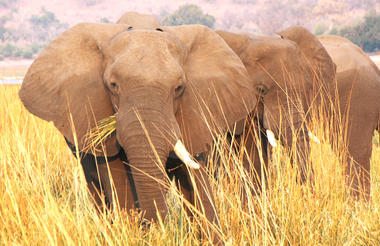
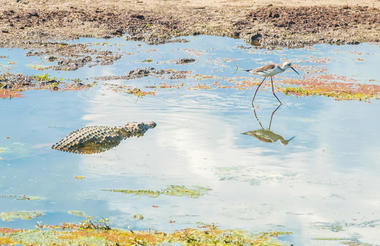
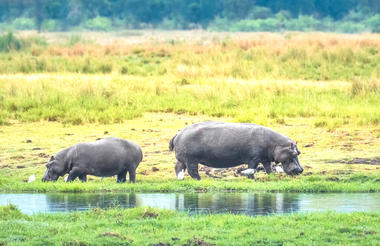
Mababe is a small rural settlement located in the eastern part of Botswana’s North-West District, set on the vast, wild plains of the Mababe Lower Depression. Jaw-dropping vistas of yellow bushveld, sparkling rivers, and bright green forests attract nature photographers and plant enthusiasts, as well as hikers. However, it is the area’s wildlife that is its major drawcard: visitors can look forward to seeing large herds of buffalo, a good number of lions, elephants, hippos, giraffes, and cheetahs. A range of guided walks, game drives, and other activities are on offer.

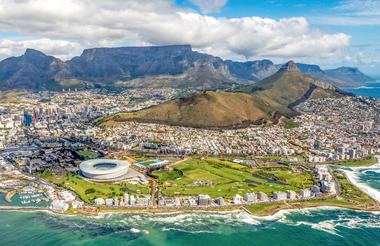
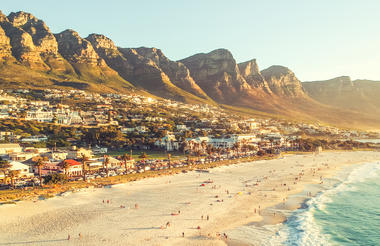
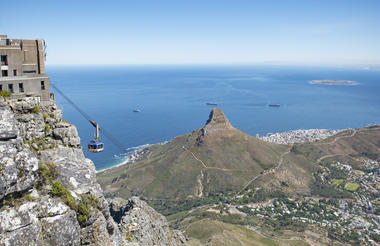
Set at the confluence of the Indian and Atlantic oceans and backed by the iconic Table Mountain, the bustling city of Cape Town presents an alluring combination of drawcards. Incredible powdery white beaches, highly acclaimed wine routes, and astonishingly beautiful mountain trails surround a cosmopolitan hub. This diverse metropolis is filled with superb shops and restaurants, extraordinary heritage monuments, a multitude of entertainment venues, and a spectacular, chic waterfront harbour. Highlights include the Zeitz Museum of Contemporary African Art; Table Mountain's jaw-dropping views; Boulders Beach, where penguins might swim right up to you in the warm Indian ocean waters; the Kirstenbosch Botanical Gardens, where you can walk along a treetop canopy among incredible native flora or watch an open-air concert at the base of the mountain; Robben Island, where visitors can see the cell where Nelson Mandela was imprisoned for 18 years; and many more.
Franschhoek is a picturesque village in South Africa's Cape Winelands, nestled in a valley surrounded by dramatic mountains in the Western Cape. Renowned for its wine estates, fine dining and French Huguenot heritage, it brings together wine, gastronomy, cultural heritage and spectacular mountain scenery. Visitors can sample local wines at historic wine estates, enjoy leisurely journeys aboard the Franschhoek Wine Tram and savour exceptional cuisine at acclaimed restaurants. The village's oak-lined main street features art galleries, boutiques and cafés, while the Huguenot Monument and Museum explore the history of the French Huguenots in South Africa. Beyond its culinary and cultural attractions, Franschhoek offers hiking trails in Mont Rochelle Nature Reserve, where visitors can enjoy panoramic views across the valley and vineyards.


