Located in north-central Namibia, Otjiwarongo is a friendly regional town and safari gateway known for its wildlife conservation initiatives and access to surrounding wilderness areas. Set amid rolling hills and semi-arid landscapes, it offers a relaxed stopover with a distinctly Namibian character. Visitors can explore the Cheetah Conservation Fund, one of the world's leading cheetah research and conservation centres, or discover nearby reserves where native wildlife, including rhino, can be encountered. With its welcoming atmosphere, wide-open skies and easy access to Namibia's natural landscapes, Otjiwarongo provides a rewarding stop between Windhoek and the country's renowned northern safari destinations.


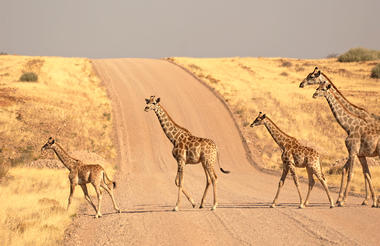
Situated along the southern boundary of Etosha National Park in northwestern Namibia, Etosha South encompasses the park's southern safari region and a collection of private game reserves and lodges. The park is accessed via Andersson Gate, placing visitors within easy reach of renowned waterholes and excellent wildlife viewing. Lions, elephants, giraffes, white and black rhinos, and a wide variety of antelope are among the species commonly seen. Guided 4×4 game drives are the main attraction, with half- and full-day safaris available, some including picnic lunches in the bush.


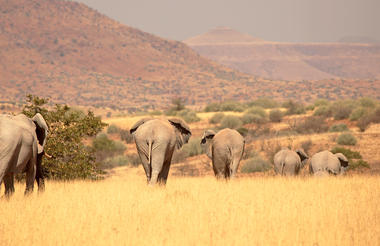
Situated in the rugged landscapes of northwestern Namibia's Kunene Region, Palmwag is a remote safari destination renowned for its dramatic desert scenery and remarkable wildlife. Set amid rocky hills, ephemeral riverbeds and iconic makalani palms, it lies within one of Namibia's largest wilderness conservation landscapes. Visitors can enjoy guided nature drives and walking safaris in search of desert-adapted elephants, black rhinos, giraffes, springbok and other wildlife adapted to this arid environment. Sweeping vistas, striking red-earth landscapes and peaceful starlit skies create a profound sense of solitude, making Palmwag an exceptional destination for travellers seeking wilderness, conservation experiences and the untamed beauty of Namibia.

The small headland of Cape Cross lies on western Namibia’s Skeleton Coast, roughly 60 kilometres north of Henties Bay. The historic area was landed on by the Portuguese in 1486, and they erected a stone cross here in honour of the Portuguese King, however, this cross was replaced by the German settlers in the 1800’s. Cape Cross best known for its extraordinary breeding colony of Cape fur seals and has been made a reserve. With the abundance of fish swimming in the cold Benguela current, the seals have plenty to snack on, and they also enjoy lying and playing out in the sun. From a 200-metre-long walkway, visitors can watch the seals at play and learn about them through the area’s information points.


Set between the rolling dunes of the Namib Desert and the icy Atlantic coastline, Swakopmund is a relaxed seaside town in western Namibia known for its German colonial architecture, cool coastal climate, and adventurous spirit. Palm-lined streets, historic buildings, and ocean fog create an atmosphere unlike anywhere else in the country. Travellers visit for desert activities such as quad biking, sandboarding, and scenic flights over vast dunes and shipwreck-strewn shores. Cafés, bakeries, and small museums add to the town's laid-back charm, though the Atlantic waters are brisk rather than tropical. With its striking desert-meets-ocean setting and mix of adventure and history, Swakopmund is one of Namibia's most distinctive destinations.


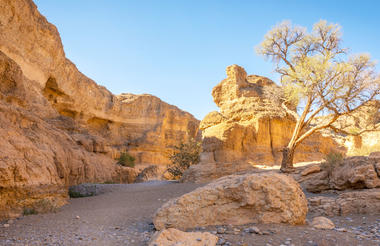
As there is no accommodation at Sossusvlei, visitors to this desert wilderness are likely to end up staying at Sesriem, 65 kilometres away, where camps and lodges serve as a base from which to explore the dunes. Sesriem Canyon, a deep chasm carved through the rocks by water, is a striking natural feature of the area that is best explored on foot. Stony walls rise up sharply on both sides of the canyon, while birds roost in its crags and lizards dart along the ledges. The canyon’s name was coined when early settlers used it as a water source, using six lengths of leather (‘ses riem – six thongs) tied together to lower buckets into the water at the base of canyon.)
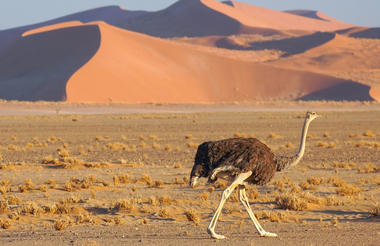
Perched above the plains of the Namib Desert in the rocky Aus Mountains, the small village of Aus lies at the heart of phenomenal botanic diversity. Aus serves as an excellent base from which to see the area’s major attraction: the feral horses of the Namib Desert, which run wild and free in the sparsely vegetated plains. The best place for viewings is at the water trough at Garub, which lies just twenty kilometres away from Aus. Visitors can gain insight into the Succulent Karoo by visiting beautiful Gondwana Sperrgebiet Rand Park, home to the most biodiverse desert in the world. Don't miss the opportunity to camp under the famously clear Namibian night sky and experience the desert landscape on horseback.


Set amidst the arid terrain near Keetmanshoop are the ancient quiver trees, a striking Southern African phenomenon with twisted branches reaching towards the sky. These tall and photo-friendly trees, reaching up to eight metres, exhibit a unique dichotomous branching pattern, creating a distinctive candelabra-like silhouette. Slow-growing, some specimens in the forest are estimated to be 200-300 years old, thriving in the harsh climate by storing water in their thick trunks and fleshy leaves. Protected as a national monument in Namibia, the Quiver Tree Forest holds both ecological and cultural significance, with its smooth grey bark and fibrous wood once used by the San people for quivers. Nearby, the Giant's Playground, a geological wonder of large dolerite boulders, boasts a unique feature of appearing haphazardly stacked, as if by a giant child. A nearby rest camp provides a comfortable base for travellers keen to experience Namibia's surreal natural landscapes firsthand.