
Moshi – Gateway to Mount Kilimanjaro
Nestled at the foothills of Mount Kilimanjaro, near the Kenyan border in Northern Tanzania, Moshi is a charming, vibrant town that blends natural beauty, cultural warmth, and adventure.
Set against the backdrop of Africa’s highest mountain, Moshi is surrounded by lush coffee plantations, rolling hills, and forested valleys, making it one of Tanzania’s most scenic destinations.
Known as both the coffee capital of Tanzania and the gateway to Kilimanjaro National Park, Moshi offers travellers the perfect base for mountain climbs, day hikes, and cultural encounters, all within easy reach of the Northern Safari Circuit.
Location – Northern Tanzania
Moshi lies in the Kilimanjaro Region, approximately 80 kilometres (1.5 hours) east of Arusha and about 30 kilometres south of the Kenyan border.
The town sits at an elevation of around 900 metres above sea level, enjoying a cool, pleasant climate year-round.
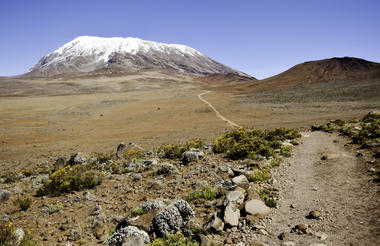
Its location at the foot of Mount Kilimanjaro makes Moshi the natural starting point for climbs and treks to the mountain’s snow-capped summit.
Unique Features
Gateway to Mount Kilimanjaro: Moshi is the main access point for Kilimanjaro National Park, offering climbers various trekking routes such as Marangu, Machame, and Lemosho.
Coffee Capital of Tanzania: The surrounding countryside is carpeted with coffee plantations, producing some of East Africa’s finest beans. Many farms welcome visitors for guided tours and tastings.
Cultural Diversity: Home to the Chagga people, Moshi offers authentic cultural experiences that highlight traditional farming, cuisine, and mountain folklore.
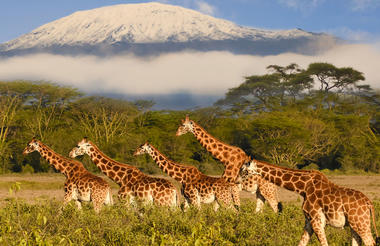
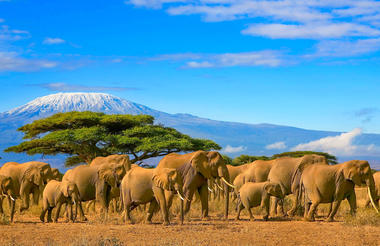
Spectacular Views: On clear days, the snow-dusted peak of Mount Kilimanjaro rises dramatically above the town — one of Africa’s most awe-inspiring sights.
Friendly and Laid-Back Atmosphere: With its tree-lined streets, cafés, and welcoming locals, Moshi provides a relaxed environment perfect for acclimating before or unwinding after a climb.
Activities in the Area
Whether you’re an adventurer, culture lover, or coffee enthusiast, Moshi offers a wealth of unforgettable experiences:
Mount Kilimanjaro Trekking: Begin your ascent of Africa’s highest mountain from Moshi, with options ranging from day hikes on the lower slopes to multi-day summit expeditions.
Coffee Plantation Tours: Visit local coffee farms to see how beans are grown, harvested, and roasted — and enjoy a fresh cup straight from the source.
Cultural Encounters: Explore Chagga villages on the mountain’s slopes, where you can learn about traditional banana beer brewing, visit historical caves, and experience daily rural life.
Waterfall Excursions: Hike to nearby Materuni or Rundugai waterfalls, both set amidst lush greenery and offering refreshing swimming spots.
Wildlife Safaris: Take a short drive to nearby reserves or continue west toward Arusha National Park, Tarangire, or Ngorongoro Crater for classic safari experiences.
Hot Springs (Chemka/Kikuletwa): Relax in these natural turquoise pools, fed by underground springs — a hidden oasis just an hour from Moshi.
Food & Nightlife: Sample authentic Tanzanian cuisine at local restaurants or unwind with live music and sundowners at laid-back cafés and lodges.
Travel Information
How to Get There
By Road: Moshi is about 80 km (1.5–2 hours) east of Arusha along a well-paved highway.
Buses and shuttles also connect Moshi to Dar es Salaam, Nairobi, and Amboseli in Kenya.By Air: The nearest airport is Kilimanjaro International Airport (JRO), located 40 km (45 minutes) from Moshi, with daily connections from Dar es Salaam, Zanzibar, Nairobi, and international destinations.
Travel Distances
Arusha → Moshi: ~1.5–2 hours (80 km)
Kilimanjaro International Airport → Moshi: ~45 minutes (40 km)
Moshi → Marangu Gate (Kilimanjaro NP): ~1 hour (40 km)
Moshi → Arusha National Park: ~2 hours (100 km)
Moshi → Tarangire National Park: ~4 hours (200 km)
Best Time to Visit
Dry Season (June – October & December – February): Best for climbing Mount Kilimanjaro and outdoor excursions, with clear skies and excellent visibility.
Wet Season (March – May & November): The landscape is lush and green, ideal for cultural tours, coffee farm visits, and photography, though mountain treks can be slippery.
Why Include Moshi in Your Tanzania Safari Itinerary
Moshi is more than just a gateway to Mount Kilimanjaro — it’s a destination that perfectly combines adventure, culture, and relaxation.
Whether you’re trekking to the Roof of Africa, exploring coffee plantations, or soaking in mountain views from a local café, Moshi offers a truly authentic Northern Tanzanian experience.
With its proximity to Kilimanjaro National Park and the Northern Safari Circuit, it’s an essential stop for anyone seeking to experience the diverse beauty of Tanzania.
Key Attractions
Mount Kilimanjaro – Africa’s highest mountain and UNESCO World Heritage Site
Kilimanjaro National Park – trekking, hiking, and nature walks
Coffee Plantations – guided tours and tastings
Materuni & Rundugai Waterfalls – scenic hikes and swimming spots
Chagga Villages – cultural experiences and history
Chemka Hot Springs (Kikuletwa) – natural geothermal pools
Moshi Town – markets, cafés, and panoramic mountain views


Mount Kilimanjaro – The Roof of Africa
Kilimanjaro’s snow-capped peak is one of Africa’s most awe-inspiring natural landmarks. Straddling the Kenya–Tanzania border, this iconic freestanding volcano rises to a staggering 5896 metres above sea level, making it Africa’s highest mountain and the tallest free-standing peak in the world.
A UNESCO World Heritage Site, Mount Kilimanjaro National Park encapsulates an astonishing variety of ecosystems—from lush tropical rainforests and alpine meadows to barren high-altitude deserts and the glacial summit of Uhuru Peak. Its sheer scale, dramatic landscapes, and accessibility have made it a bucket-list destination for trekkers, climbers, and nature lovers worldwide.
Location
Located in northern Tanzania, near the town of Moshi, Mount Kilimanjaro rises majestically from the open plains that border Amboseli National Park in Kenya. The surrounding Kilimanjaro National Park spans over 750 square kilometres, encompassing diverse ecosystems and breathtaking scenery.
Unique Features
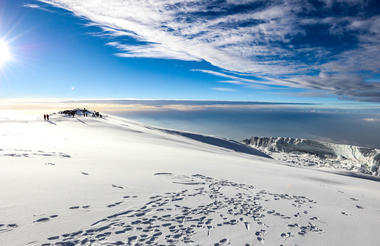
Africa’s Tallest Peak: Standing at 5896 metres (19,341 feet), Mount Kilimanjaro is both the highest mountain in Africa and the world’s tallest freestanding mountain.
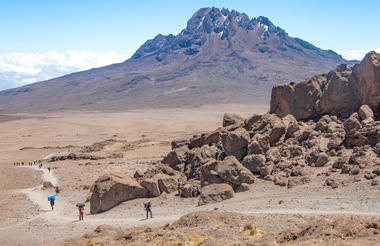
Triple Volcanic Cones: The mountain comprises three extinct volcanic cones: Kibo, Mawenzi, and Shira. Kibo hosts Uhuru Peak, the mountain’s highest point.
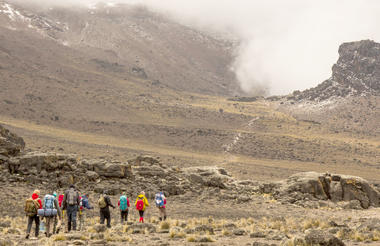
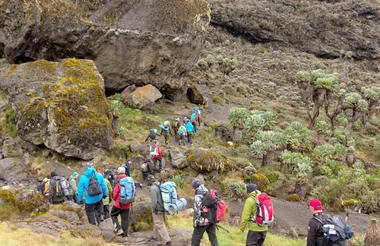
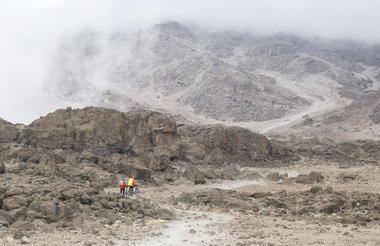
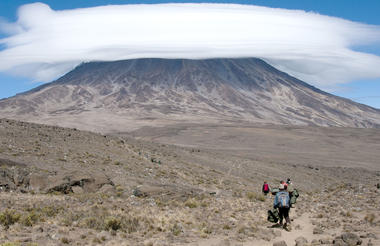
Five Ecological Zones: The climb traverses distinct zones—from cultivated farmland and rainforest to moorland, alpine desert, and the arctic summit—each with unique flora and fauna.
Glacial Ice Fields: Despite being near the equator, Kilimanjaro retains glacial ice fields and snowcaps, remnants of its once vast ice sheet.
Cultural Significance: The mountain holds deep spiritual meaning for the Chagga people, who live on its fertile lower slopes.
Activities in the Area
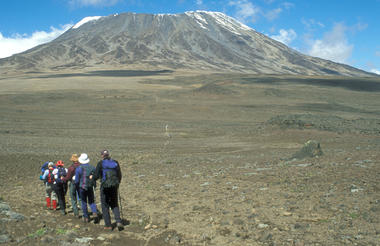
Mountain Climbing & Trekking: Take on the challenge of summiting Uhuru Peak, Africa’s highest point. There are several established routes, each offering a unique combination of scenery, duration, and difficulty level:
Marangu Route (“Coca-Cola Route”) – The only route with hut accommodation; shorter and less steep, but with lower summit success rates.
Machame Route (“Whiskey Route”) – The most popular and scenic route, featuring diverse landscapes and a higher success rate due to better acclimatisation.
Lemosho Route – A longer, less crowded route through remote forest and moorland areas, offering excellent acclimatisation and stunning vistas.
Rongai Route – Approaches from the north near the Kenyan border; quieter, drier, and ideal during the rainy season.
Shira Route – Begins at a higher elevation on the western side, merging with Lemosho later; beautiful but recommended for experienced hikers.
Umbwe Route – The steepest and most direct ascent; best suited for seasoned climbers seeking a challenge.
Northern Circuit Route – The newest and longest route, offering exceptional acclimatisation, minimal crowds, and panoramic views from multiple aspects of the mountain.
Guided Nature Walks: Explore the lush lower slopes and foothills of Kilimanjaro, home to tropical forests, waterfalls, and wildlife such as blue monkeys and colobus monkeys.
Cultural Experiences: Visit Chagga villages on the mountain’s lower slopes to learn about local traditions, coffee farming, and folklore tied to the mountain.
Travel Information
How to Get There
By Air: Fly into Kilimanjaro International Airport (JRO), located about 40 km from Moshi and 50 km from Arusha.
By Road: Accessible via well-paved roads from Arusha (2 hours), Moshi (1 hour), and Nairobi (5–6 hours via border crossing at Namanga).
Travel Distances
Arusha → Moshi: ~85 km (2 hours)
Moshi → Kilimanjaro National Park Gate: ~45 minutes
Kilimanjaro → Nairobi: ~300 km (5–6 hours)
Best Time to Visit
Dry Season (June – October):
Clear skies, minimal rain, and the best visibility for climbing.Short Dry Season (January – February):
Another excellent period for trekking with warm, stable weather.
Why Include Mount Kilimanjaro in Your African Safari Itinerary
Mount Kilimanjaro offers one of the world’s most unforgettable natural experiences — a chance to walk from equatorial forests to glacial peaks in a matter of days. Whether you’re summiting Africa’s highest point, exploring its biodiverse slopes, or marvelling at its beauty from afar, Kilimanjaro embodies the spirit of adventure and wonder that defines Africa.
Combining a Kilimanjaro trek with nearby safaris in Amboseli, Tarangire, or Serengeti National Parks makes for an unparalleled East African journey.
Key Attractions
Kilimanjaro National Park
Uhuru Peak (5896 m)
Kibo, Mawenzi & Shira Cones
Chagga Cultural Tours
Lush Rainforests & Waterfalls
Diverse Flora, Fauna & Birdlife
Avoid the long rains (March – May) and short rains (November) for the most comfortable trekking conditions.
As previously described
As previously described
As previously described
As previously described
As previously described
As previously described
As previously described


