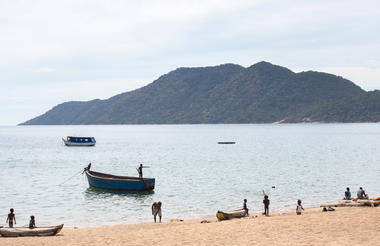
Dubbed the 'Warm Heart of Africa' for its good-natured charm, the tiny, landlocked country of Malawi in southeastern Africa is a famously hospitable little nation brimming with touristic abundance. Its exuberant landscape is a breathtaking natural kaleidoscope of verdant countryside, sweeping plateaux, soaring highlands, and river valleys. Malawi's share of the vast Great Rift Valley encompasses the country's must-see eco-destination, the emblematic Lake Malawi, several national parks and game reserves, while the Central African Plateau's undulating terrain is defined by a series of dramatic escarpments, punctuated by lakes, dramatic hills and dense forests. A wealth of outdoor activities is open to outdoor enthusiasts, including hiking, swimming, scuba diving, snorkelling, water skiing, sailing, kayaking, parasailing and boating. Game viewing at the reserves offers a chance to see crocodiles, lions, elephants, hippos and leopards. For the more culturally curious, browse the many bustling markets, visit traditional villages and dig into the treasure trove of the country's history at The Society of Malawi in Blantyre.
Located in southern Malawi, Blantyre is a pleasant, lively yet laid back city. It was a key trading post during the 1800s and today remains the country’s economic capital, with many banks and businesses. The city’s architectural highlight is the St Michael’s and All Angels Church. This late 19th century building was designed by the acting reverend of the time and constructed with the help of the villagers. A close second is the Mandala Building, the city’s oldest structure, built in 1882 and crafted entirely of natural materials - homemade bricks held together with a cob mixture of mud and grass. Don’t miss a visit to the inhouse gallery, which features artworks, as well as an intriguing photographic exhibit documenting the history of Malawi and Blantyre.


Located in southern Malawi, Majete Wildlife Reserve sprawls across 700 square kilometres of the Great African Rift Valley, where undulating terrain incorporates grassy plains, riverside groves, and forests of marula, acacia, and leadwood interspersed with palms and the occasional baobab tree. The park provides a sanctuary for a wide range of wildlife, including black rhino, elephant, antelope, and warthog, while the Shire River is home to large numbers of crocodiles and hippos. Be sure to visit the spectacular Matitu Falls, one of the reserve's scenic highlights. A remarkable conservation success story, Majete has seen more than 2,500 animals reintroduced since 2003, restoring healthy populations and once again making the reserve home to Africa's Big Five.


Liwonde National Park lies along the Shire River in southern Malawi. One of the country's premier safari destinations, it is celebrated for its abundant wildlife, scenic river landscapes and successful conservation initiatives. The park is home to large populations of elephants, hippos and crocodiles, while black rhinos, cheetahs and lions have been successfully reintroduced. Boat safaris offer close-up wildlife encounters, complemented by game drives through floodplains, mopane woodlands and open grasslands. Liwonde is also one of Malawi's leading birdwatching destinations, with more than 400 recorded species, and its palm-fringed riverbanks create striking scenery for photographers and nature lovers alike.


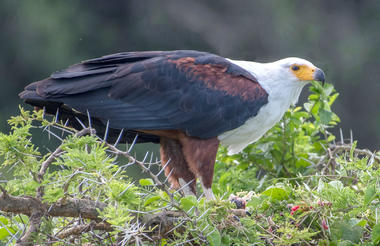
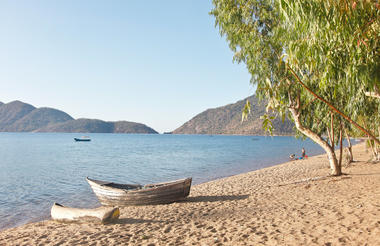
Located on the southern shore of Lake Malawi at the tip of the Nankumba Peninsula, Cape Maclear is a little resort town surrounded by mountains and set within Lake Malawi National Park. This town features an array of beachside bars and local restaurants in a spectacularly scenic setting of golden sand beaches lapped by dazzling turquoise water. Cape Maclear is a Robinson-Crusoe paradise, making it a sought after tourist destination. Kayak over to the nearby Thumbi island and spot the majestic fish eagle, sail across the lake and catch a picturesque African sunset, or scuba dive into the crystal-clear depths of the lake, which boasts some of the best freshwater diving in the world. Other popular activities include: bird watching, windsurfing, hiking, swimming or shopping in the local craft markets as well as island tours and guided village walks.