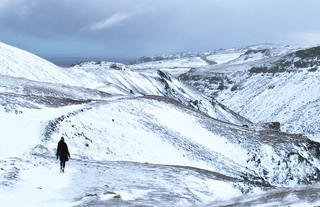
No matter how much you hear about the awe-inspiring natural phenomena on this island on the edge of the Arctic circle, nothing can prepare you for the jaw-dropping spectacle that is Iceland. Dubbed “the Land of Fire and Ice”, this small island nation is characterised by contrasts and contradictions. It is a place where steaming geysers burst forth from icy glaciers, where molten hot lava spews out of icy snow-capped peaks, where the astonishing aurora borealis blaze across the night sky and where continuously dark winters are offset by summer’s magnificent midnight sun. With the exception of Reykjavik, the country’s population centres are small, with diminutive towns, fishing villages, farms and minute hamlets clustered along the coastal fringes. The interior, meanwhile, remains totally uninhabited. What the Icelanders lack in numbers, they certainly make up for in warmth, quirkiness, and boundless creativity. Add to this, one of the highest standards of living on earth and you have, quite simply, one of the world’s most intriguing destinations.
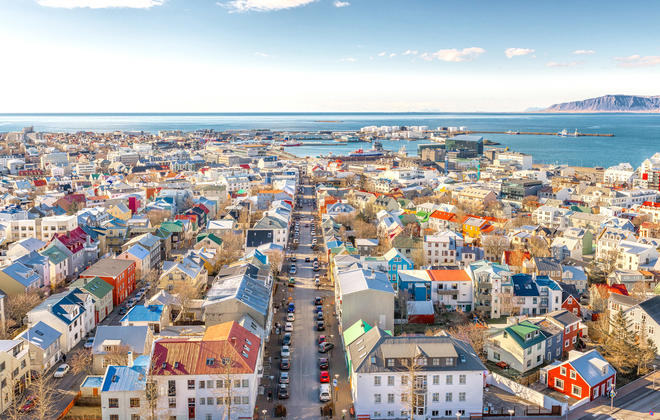
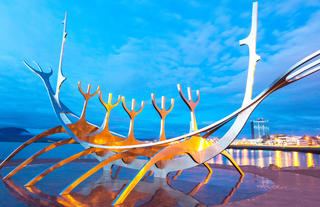
Located on a bay, presided over by mighty mount Esja, Iceland’s sprawling capital city stands in stark contrast to the quiet fishing villages and minute hamlets of the remarkable island nation. The hub is progressive, yet proudly traditional; remote, yet surprisingly cosmopolitan; inextricably tied to its natural landscape, yet embracing modern technology. The tiny city centre is characterised by an eclectic mix of brightly painted houses, elegant shops, stylish bars, and highbrow museums. A slew of restaurants serves up a delicious range of culinary delights as well as an array of exotic treats (try the pickled ram’s testicles and putrefied shark meat). Whether you plan on spending your vacation gallery-hopping while listening to Bjork on repeat, scuba diving between tectonic plates, or relaxing in the myriad geothermal pools, Reykjavik is the ultimate destination for pleasure seekers and adventure junkies alike.


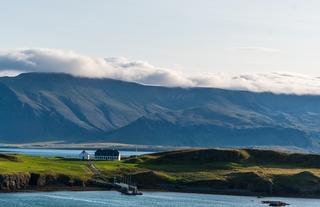
Spreading northwards of Reykjavik, West Iceland or Vesturland is a beautiful region where nature takes centre stage. Boasting a dazzling kaleidoscope of volcanoes, hot springs, plunging cliffs, undulating green hills, astonishing waterfalls, and gorgeous bays, the area is a wonderland of exploration inextricably linked to local folklore. Highlights include dramatic Djúpalón Beach; Glymur Waterfall, reached by an exciting trail filled with diverse scenery; and spectacular Snæfellsjökull National Park, with Snæfellsjökull Glacier inspiring artists and poets over hundreds of years. Delve into the area’s rich heritage with a visit to any unique and varied museums; make sure to stop at the Eiríksstaðir living museum to see how Vikings once lived. Animal lovers will delight in the Icelandic Goats at Háafell and the Icelandic horses at Sturlu Reykir.


Akureyri in northern Iceland is as pretty as a picture, with scenery that includes wilderness areas, lava fields, ice caves, steaming hot springs and magnificent volcanic peaks. The town also boasts the best sightings of the colourful ‘northern lights’ in the country. Tourists make use of the surprisingly moderate weather conditions to explore nearby Jökulsárgljúfur National Park, Húsavík, and Lake Mývatn. Hlíðarfjall Mountain is a wonderful skiing destination, covered in snow for around 180 days a year. There are many museums to explore in the town, but the cultural highlight of the region is arguably the collection of traditional turf homes built into the mountainside, which allow a sneak-peek into Icelandic history.


Egilsstadir is known as east Iceland’s capital and an optimal destination from which to take day trips to the numerous attractions in the eastern districts – including Hallormsstaðaskógur forest, Gufufoss waterfall, the Laki craters, the town of Seyðisfjörður and Stafdal ski resort. While you’re in town, it’s worth checking out the Slaughterhouse Culture Center, which is the heart of culture and arts in Egilsstadir, hosting a variety of events throughout the year, such as concerts, art exhibitions and plays. The East Iceland Heritage Museum showcases Icelandic traditions from the past and there is a 25 metre-long, warm public pool that has two hot tubs and a water slide.


Situated within South East Iceland’s incredible Vatnajökull National Park, the Skaftafell Nature Reserve was once a national park in its own rights, and is famous for its dramatic landscapes and adventure opportunities. Vast expanses of blue-white glaciers, jagged mountain peaks, thick green woodlands, and other-worldly black sands provide the chance to go hiking, ice cave exploring, glacier trekking, climbing, and more. The park is home to Iceland’s highest peak, Hvannadalshnjukur, offering an enticing challenge (you must, however, be accompanied by guides as it is next to an active volcano). The tallest waterfall in the country, Morsárfoss, is also located here, along with many others which present an exquisite display among the green trees. In spring, swathes of brightly coloured flowers appear. The park is known for its variety of insects, and is also home to Arctic fox and other small mammals.


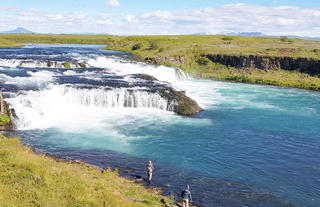
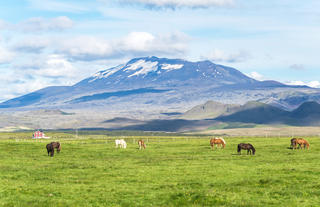
The Ranga River flows through the quaint village of Hella in southern Iceland, just a short distance from the well-known Mount Hekla volcano and the hot springs of Landmannalaugar. Hella is an ideal base from which to take day trips to nearby Thingvellir, Gullfoss, Geysir, Landmannalaugar, Þorsmork, Vestmannaeyjar islands and other places of interest. Also close by is Seljalandsfoss, one of Iceland’s most famous waterfalls, which drops 60 metres over the cliffs believed to have once formed part of the coastline. Hella is also renowned as one of the best skydiving spots in Iceland, and is a natural magnet for adventure junkies looking to try out this daredevil sport.