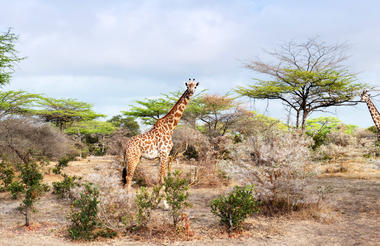
The name Tanzania conjures up images of wildebeest stampeding across vast savannah, rain forests teeming with monkeys and birdlife, and great plains brimming with legions of game. All of these natural wonders and more are on offer in this exceptionally diverse African nation. Visitors typically visit Tanzania to partake in at least one of the four well-known Tanzanian tourist experiences: a relaxing seaside vacation on the picturesque island paradise of Zanzibar, an underwater tour of some of the world’s most renowned dive sites around the gorgeous Spice Islands, a safari adventure in some of Africa’s most impressive game reserves, or a hiking excursion around Mount Kilimanjaro National Park. Whichever of these incredible holidays you choose, you will undoubtedly be welcomed by some fabulously friendly and peaceful inhabitants who, despite being divided into 120 different ethnic groups and cultures, live in harmony with one another and provide some of the most wonderfully exotic local cuisine you could imagine. With all of this diversity on offer, the most difficult part of your Tanzanian holiday experience is likely to be deciding where to go!
At the foot of Mount Meru, whose volcanic cone dominates the northern skyline, Arusha is the administrative capital of the Arusha Region and the principal gateway to northern Tanzania's renowned safari circuit. Alongside its thriving tourism industry, the bustling city is a leading centre for business, diplomacy and international conferences in East Africa, hosting regional institutions and major political, commercial and conservation events throughout the year. German colonial buildings, modern offices and lively markets reflect Arusha's evolution from a colonial outpost into northern Tanzania's commercial hub, while cafés, hotels, craft centres and galleries contribute to its cosmopolitan atmosphere. Less than an hour from the city, Arusha National Park offers game drives and canoeing on the Momella Lakes beneath Mount Meru, while nearby coffee estates and cultural experiences introduce visitors to the region beyond the safari circuit.


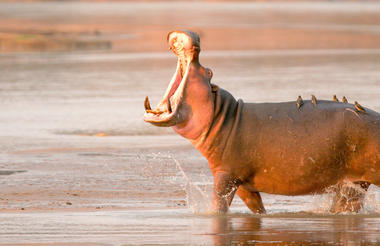
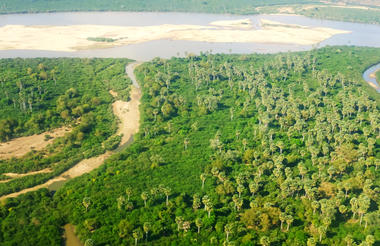
Located in western Tanzania, the remote Katavi National Park is a captivating stop along the western tourist route. Encompassing Lake Katavi, the Katuma River, and picturesque Lake Chala, Katavi National Park encompasses roughly 4500 square kilometres of unspoiled Tanzanian woods, savannah and wetlands. This park is the third-largest in the country and is home to the world’s largest herds of buffalo. Katavi boasts a wide array of bird and animal life, including leopards, elephants, zebras, lion,s and the densest hippo and crocodile populations in the country.


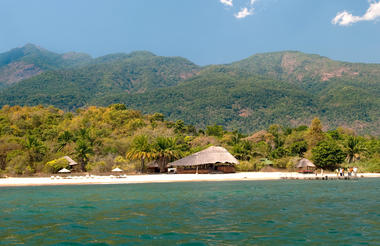
Spreading out from the shores of beautiful Lake Tanganyika, the mountainous terrain of the Mahale Mountain National Park is home to some of Africa’s last surviving wild chimpanzees and trekking in search of these incredible primates is one of the main attractions of the reserve. Other highlights include walking game safaris that take in the park’s diverse wildlife, hiking up the 2460-metre Mount Nkungwe – the highest of the Mahale mountain range’s six peaks – and fishing and snorkelling in Lake Tanganyika on the park’s western border. While the park is home to over 900 chimpanzees, it is also home to a variety of other wildlife including: leopards, blue duikers, red colobus monkeys, giant pangolins, lions, elephants, buffaloes, giraffes, hippos, crocodiles, otters and a variety of bird species.

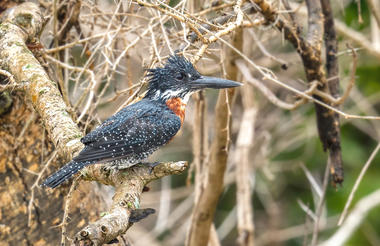
Formerly the northern part of Selous Game Reserve, Nyerere National Park is Tanzania's largest National Park. Stretching over an impressive 30,893 square kilometres, the park is home to some of the world’s largest concentrations of wildlife, and the incredible diversity and sheer volume of animals draw visitors from around the globe. Travellers can look forward to spotting a wide collection of common and rare species including the famous Big Five, some rare species of antelopes like Roan Antelope, and large concentrations of elephant and hippos. Don’t miss the opportunity to take a boating safari on the exquisite Rufiji River, spot the endangered African wild dog, and enjoy a guided walking safari with a highly knowledgeable guide.