


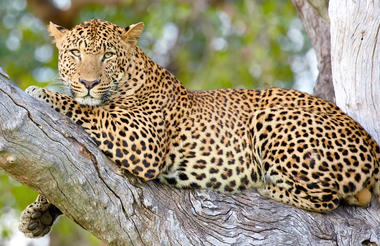
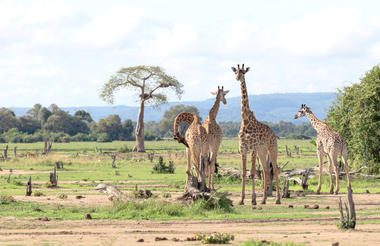
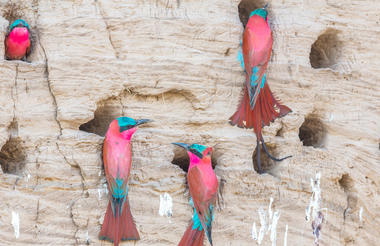
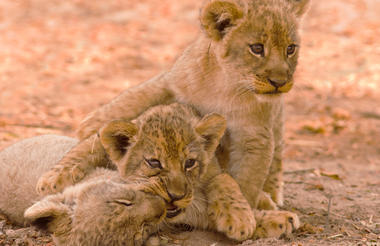
Bordering the Luangwa River in eastern Zambia, South Luangwa National Park is one of Africa’s most celebrated wildlife destinations, renowned for its unspoilt wilderness, exceptional biodiversity, and successful conservation efforts. The park supports thriving populations of elephant, lion, leopard, buffalo, hippo, giraffe, and numerous antelope species, along with more than 400 bird species. Widely regarded as the birthplace of the walking safari, South Luangwa offers visitors the rare opportunity to explore the bush on foot under the guidance of experienced armed guides, providing an intimate perspective of the surrounding wildlife and ecosystems. Traditional game drives, seasonal boating, and outstanding opportunities for photography and birdwatching further enhance the experience. Combined with the scenic Luangwa River, the park delivers one of Africa’s most authentic and unforgettable safari adventures.
As previously described
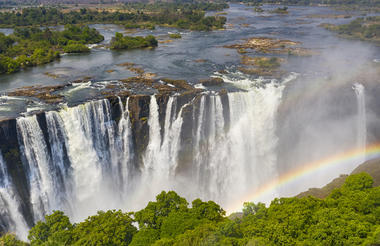
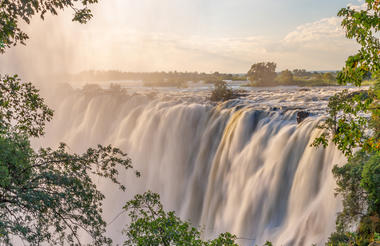
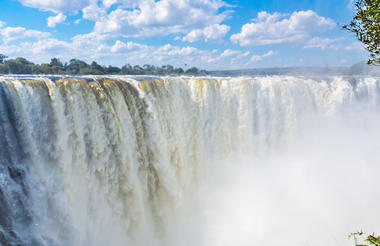
Known locally as Mosi-oa-Tunya—“The Smoke That Thunders”—Victoria Falls is one of the world’s great natural landmarks. Straddling the Zambezi River between Zambia and Zimbabwe, it forms a vast curtain of water that fills the air with mist and sound. The Zimbabwean side grants the most dramatic views, where mist rises like ghostly curtains and rainbows arc through the spray. Measuring about 1,708 metres across, it is regarded as the largest single continuous sheet of falling water on Earth. The adjacent town of Victoria Falls provides a convenient base for exploring the region, with a wide range of activities from scenic flights and microlight trips to white-water rafting, bungee jumping, kayaking, and safaris into Chobe National Park.
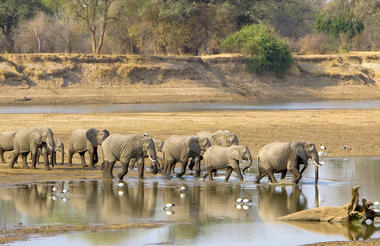
The Chobe River forms the northern boundary of Chobe National Park and is one of southern Africa’s most rewarding wildlife riverfronts, especially in the dry season when animals concentrate along its banks. Elephant herds gather in large numbers at the water’s edge, hippos crowd the channels, and buffalo move regularly through the floodplain grasslands, while lions range through the wider system and may hunt buffalo in the surrounding landscape. The river also supports exceptional birdlife across reeds, sandbanks, and woodland edges, and visitors typically explore it through guided game drives on designated park tracks as well as boat safaris that bring them level with elephants and hippos along the shoreline.


