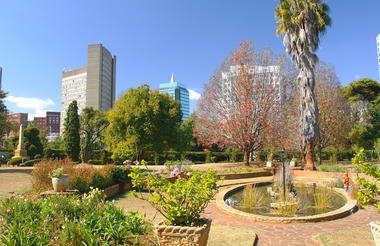
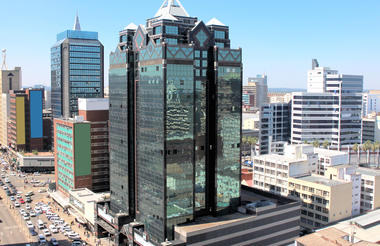
Zimbabwe’s capital city is the country’s most cosmopolitan and contemporary destination, dotted with restaurants and bars, shops and markets. Its proud historical and cultural heritage is reflected in several well-preserved old buildings and informative museums, while its many parks and gardens provide a pleasant contrast to the bustling urban sectors. Located within easy reach of the city centre are the Mukuvisi Woodlands, comprising over 250 hectares of rich natural wilderness, while the magnificent Kopje – a rocky hill to the southwest of Harare – offers great views over the city. Other city highlights include the fascinating National Gallery of Zimbabwe, the abundant Zimbabwe Museum of Human Sciences, the Chapungu Sculpture Park, and the gorgeous National Botanic Garden, filled with a variety of rare African plants as well as exotic plants from around the world.

Gonarezhou National Park lies in southeastern Zimbabwe and forms part of the vast Great Limpopo Transfrontier Conservation Area, connecting protected wilderness across Zimbabwe, Mozambique and South Africa. One of the country's largest and most remote national parks, it is renowned for its rugged landscapes, towering sandstone formations and the iconic Chilojo Cliffs overlooking the Runde River. Travellers come here for an authentic safari experience far from the crowds, with opportunities to spot elephants, lions, leopards, African wild dogs and abundant birdlife in an unspoilt wilderness setting. Game drives, guided walks and scenic viewpoints reveal diverse habitats ranging from baobab-dotted plains and mopane woodlands to riverine forests, making Gonarezhou an exceptional destination for travellers seeking spectacular scenery, remarkable wildlife and a true sense of wilderness.


Located in western Zimbabwe, Hwange National Park (formerly Wankie Game Reserve) is the largest natural reserve in the country and is famous for its rich diversity of wildlife. The northern and western areas of the park are different - the northern area is encompassed by the Zambezi watershed, while the western part consists of grasslands, marshes, and scattered woodlands. The natural seeps such as Nehimba and Shakwanki, where animals dig for water, are particularly notable. The park is home to one of the biggest elephant populations in the world, as well as around 100 mammal species, and several protected animals including the endangered wild dog, critically endangered black rhino, and rare roan and sable. Around 500 bird species also inhabit the area. Visitors can look forward to bush hikes, game drives, and horse riding safaris.


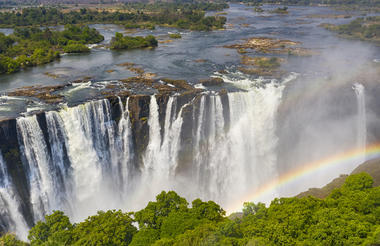
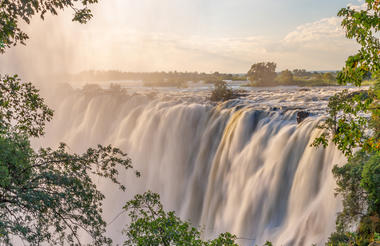
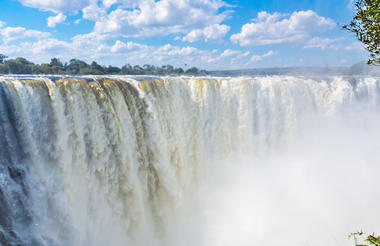
Known locally as Mosi-oa-Tunya—“The Smoke That Thunders”—Victoria Falls is one of the world’s great natural landmarks. Straddling the Zambezi River between Zambia and Zimbabwe, it forms a vast curtain of water that fills the air with mist and sound. The Zimbabwean side grants the most dramatic views, where mist rises like ghostly curtains and rainbows arc through the spray. Measuring about 1,708 metres across, it is regarded as the largest single continuous sheet of falling water on Earth. The adjacent town of Victoria Falls provides a convenient base for exploring the region, with a wide range of activities from scenic flights and microlight trips to white-water rafting, bungee jumping, kayaking, and safaris into Chobe National Park.