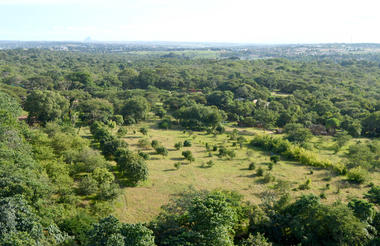
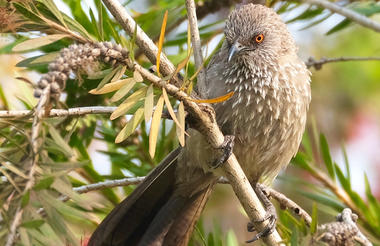
Located in southern Malawi, Majete Wildlife Reserve sprawls across 700 square kilometres of the Great African Rift Valley, where undulating terrain incorporates grassy plains, riverside groves, and forests of marula, acacia, and leadwood interspersed with palms and the occasional baobab tree. The park provides a sanctuary for a wide range of wildlife, including black rhino, elephant, antelope, and warthog, while the Shire River is home to large numbers of crocodiles and hippos. Be sure to visit the spectacular Matitu Falls, one of the reserve's scenic highlights. A remarkable conservation success story, Majete has seen more than 2,500 animals reintroduced since 2003, restoring healthy populations and once again making the reserve home to Africa's Big Five.


Liwonde National Park lies along the Shire River in southern Malawi. One of the country's premier safari destinations, it is celebrated for its abundant wildlife, scenic river landscapes and successful conservation initiatives. The park is home to large populations of elephants, hippos and crocodiles, while black rhinos, cheetahs and lions have been successfully reintroduced. Boat safaris offer close-up wildlife encounters, complemented by game drives through floodplains, mopane woodlands and open grasslands. Liwonde is also one of Malawi's leading birdwatching destinations, with more than 400 recorded species, and its palm-fringed riverbanks create striking scenery for photographers and nature lovers alike.


Nkhotakota is a tranquil town on the shores of Lake Malawi in central Malawi. It is surrounded by the hilly terrains of Nkhotakota Wildlife Reserve, the largest and oldest wildlife reserve near Malawi, home to mammals such as lion and elephant, as well as a fantastic array of birdlife. The village is most famous for the Livingstone Tree, where it is said that the renowned explorer Dr David Livingstone met a notorious slave trader to implore him to stop the heinous trade. Guided walking tours in the reserve are an exciting way to get up close and personal with some of its animals. There are also hot springs, rivers and waterfalls within easy reach of Nkhotakota.
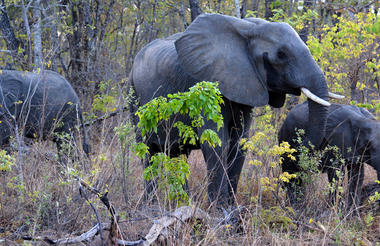
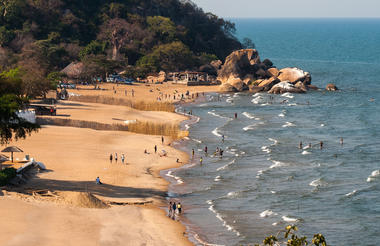
At 1,050 metres above sea level in Malawi's central region, Lilongwe bridges traditional and modern Africa within its dual cityscape. The Old Town, characterised by bustling markets, small shops, and historic golf clubs, contrasts sharply with the organised structure of the New Town, a hub of embassies, government ministries, and modern infrastructure. Lilongwe's lush green spaces, particularly the Lilongwe Nature Sanctuary, provide an urban oasis that rehabilitates injured animals while promoting environmental education. The Kamuzu Mausoleum, built of marble and granite, is the final resting place of Malawi's first president, with pillars bearing his principles of unity, loyalty, obedience, and discipline. The Parliament Building, located near Capital Hill, houses the government's operations and is an example of modern Malawian architecture. Other sights worth seeing include a day trip to the Kumbali Cultural Centre, offering the opportunity to view traditional Malawian dancing and drumming, as well as an excursion to Chongoni Rock Art Area featuring one of the densest clusters of rock art in Central Africa.