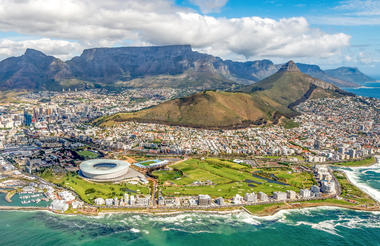
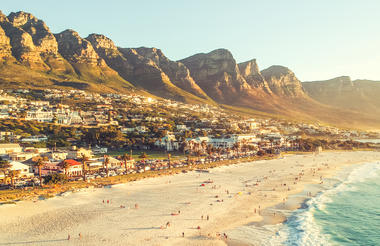
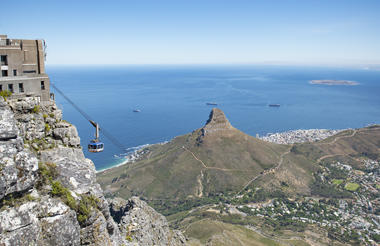
Set at the confluence of the Indian and Atlantic oceans and backed by the iconic Table Mountain, the bustling city of Cape Town presents an alluring combination of drawcards. Incredible powdery white beaches, highly acclaimed wine routes, and astonishingly beautiful mountain trails surround a cosmopolitan hub. This diverse metropolis is filled with superb shops and restaurants, extraordinary heritage monuments, a multitude of entertainment venues, and a spectacular, chic waterfront harbour. Highlights include the Zeitz Museum of Contemporary African Art; Table Mountain's jaw-dropping views; Boulders Beach, where penguins might swim right up to you in the warm Indian ocean waters; the Kirstenbosch Botanical Gardens, where you can walk along a treetop canopy among incredible native flora or watch an open-air concert at the base of the mountain; Robben Island, where visitors can see the cell where Nelson Mandela was imprisoned for 18 years; and many more.
Franschhoek is a picturesque village in South Africa's Cape Winelands, nestled in a valley surrounded by dramatic mountains in the Western Cape. Renowned for its wine estates, fine dining and French Huguenot heritage, it brings together wine, gastronomy, cultural heritage and spectacular mountain scenery. Visitors can sample local wines at historic wine estates, enjoy leisurely journeys aboard the Franschhoek Wine Tram and savour exceptional cuisine at acclaimed restaurants. The village's oak-lined main street features art galleries, boutiques and cafés, while the Huguenot Monument and Museum explore the history of the French Huguenots in South Africa. Beyond its culinary and cultural attractions, Franschhoek offers hiking trails in Mont Rochelle Nature Reserve, where visitors can enjoy panoramic views across the valley and vineyards.


Situated on Zambia’s central plateau, Lusaka is the country’s cosmopolitan capital, known for its vibrant atmosphere, modern development, and dynamic urban character. As Zambia’s economic, political, and transport hub, Lusaka combines modern development with a rich cultural heritage. Wide, tree-lined boulevards are lined with hotels, guest houses, restaurants, cafés, shopping centres, and entertainment venues, reflecting the city’s dynamic character. Visitors can explore attractions such as the Henry Tayali Art Gallery, which showcases contemporary Zambian art, and the National Museum, which highlights the country’s history and culture. Other popular sites include the Lilayi Elephant Nursery, dedicated to the rescue and rehabilitation of orphaned elephants, and several bustling local markets. Nature enthusiasts should not miss Munda Wanga Environmental Park, home to a wildlife sanctuary, botanical gardens, recreational facilities, and an environmental education centre, offering a peaceful escape from the city's energetic pace.
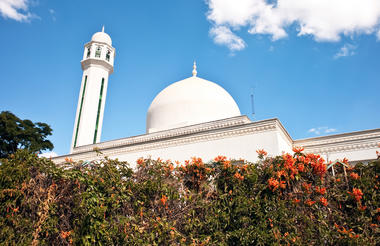
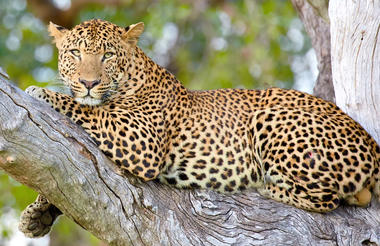
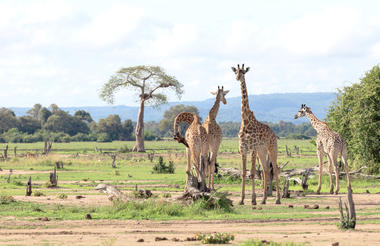
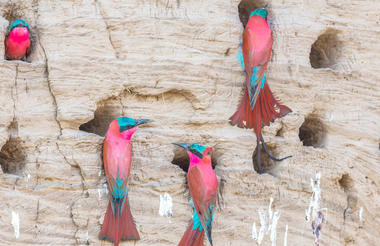
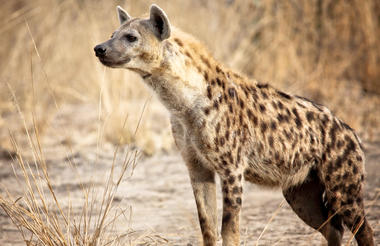
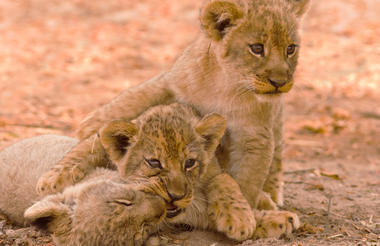
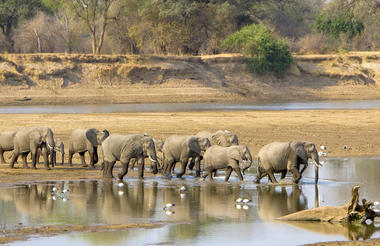
Bordering the Luangwa River in eastern Zambia, South Luangwa National Park is one of Africa’s most celebrated wildlife destinations, renowned for its unspoilt wilderness, exceptional biodiversity, and successful conservation efforts. The park supports thriving populations of elephant, lion, leopard, buffalo, hippo, giraffe, and numerous antelope species, along with more than 400 bird species. Widely regarded as the birthplace of the walking safari, South Luangwa offers visitors the rare opportunity to explore the bush on foot under the guidance of experienced armed guides, providing an intimate perspective of the surrounding wildlife and ecosystems. Traditional game drives, seasonal boating, and outstanding opportunities for photography and birdwatching further enhance the experience. Combined with the scenic Luangwa River, the park delivers one of Africa’s most authentic and unforgettable safari adventures.
As previously described
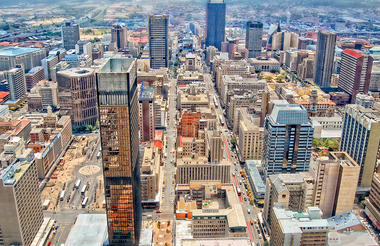
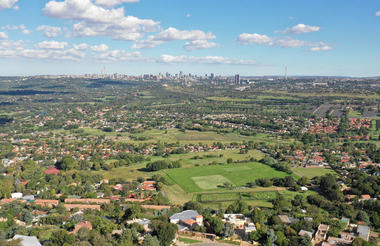
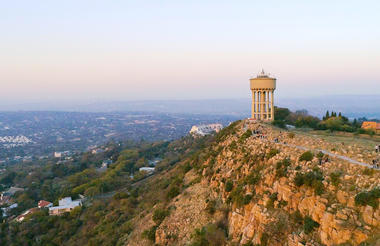
Located on South Africa’s Highveld plateau, Johannesburg is a fast-paced, creative city shaped by gold-rush history, cultural diversity and constant reinvention. Its atmosphere is energetic and urban, with contemporary galleries, rooftop bars and leafy suburbs existing alongside powerful reminders of the country’s past. Visitors can explore the Apartheid Museum, tour Soweto’s historic streets or browse vibrant markets and design spaces in neighbourhoods such as Maboneng. The city’s soundtrack shifts from lively jazz and amapiano beats to the hum of busy streets, while the scent of grilled street food drifts through open-air cafés and market stalls. Johannesburg rewards travellers who engage with its complexity and culture, though its size, traffic and contrasts mean it is best experienced with some planning and local insight.