


Egypte is een van Afrika's belangrijkste toeristische bestemmingen, met als belangrijkste troeven de Rode Zee, Egyptologie en de Nijl. De piramides van Gizeh, de Sfinx en de Vallei der Koningen behoeven geen introductie in de wereld van de oudheid, de zonovergoten stranden van de Rode Zee met hun duikmogelijkheden zijn een enorme trekpleister voor mensen uit koudere klimaten, en een cruise op de Nijl doet herinneringen aan Cleopatra herrijzen. Naast deze beroemde bezienswaardigheden herbergt dit woestijnland oude ruïnes en mystieke oases, en in Caïro zijn er nog oude culturen over, vermengd met het moderne. Egypte biedt zoveel meer dan zijn wereldberoemde piramides. Bezoekers kunnen genieten van woestijntochten, duiken, golfen, vissen, vogels kijken of dobberen langs de Rode Zee.
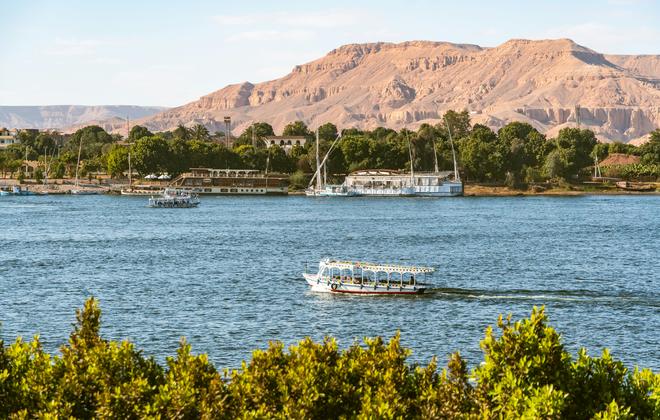
Luxor is a historic city on the Nile in Upper Egypt and one of the world's foremost destinations for ancient Egyptian heritage. Centred on the remains of ancient Thebes, it is home to monumental temples, royal tombs and archaeological sites spanning thousands of years of history. Visitors can explore the vast Karnak Temple Complex and atmospheric Luxor Temple on the East Bank, then cross the Nile to the Valley of the Kings, the Mortuary Temple of Hatshepsut and the tombs and temples of the Theban Necropolis. Felucca cruises and hot-air balloon flights offer striking perspectives of the river and surrounding desert landscape, while traditional markets and riverside streets provide a glimpse of modern Egyptian life.
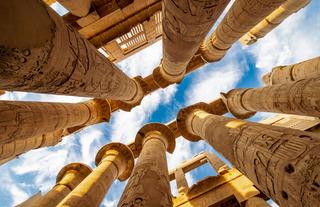


Situated north of Aswan, on the eastern bank of the Nile River in Egypt, the ancient city of Kom Ombo is famous for its unusual riverside double-temple honouring Horus the Elder (Haroeris) and Sobek (the crocodile god), and its attached crocodile museum. The building is especially distinctive in its dual, mirror image structures and even features a double altar. At the crocodile museum, visitors can see crocodile mummies and other artefacts which give insight into the sacred place the animals had in ancient times. The town is also notable for being home to an original community of peasant farmers as well as a large population of Nubian people and is surrounded by beautiful sugar-cane fields. Kom Ombo makes for a fantastic day trip from both Luxor and Aswan and is a popular stop on river cruises.


Aswan is a tranquil city on the Nile in southern Egypt, known for its warm climate, river islands and strong Nubian heritage. Further south than Luxor, it offers a more tranquil base for exploring the ancient sites of Upper Egypt and is a popular starting point for Nile cruises. Travellers can take a felucca along the Nile, visit the island temples of Philae, explore the Unfinished Obelisk and wander through the colourful markets and Nubian villages. Elephantine Island and the botanical gardens on Kitchener's Island offer opportunities to explore Aswan's history and landscapes at a slower pace. The city also provides a base for excursions to Abu Simbel, while its combination of ancient monuments, desert scenery and Nile views gives it a distinctive atmosphere.


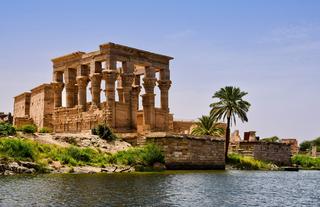


Resting on the west bank of the Nile River between Esna and Aswan, the historic town of Edfu is the location of the famous Temple of Horus. Considered the best-reserved temple in Egypt and dating back to the Ptolemaic times (237 - 57 BC), the temple has played a dramatic role in today’s understanding of ancient Egypt, including our knowledge of its religion, lifestyle, and language. The temple is decorated with intricate and varied scenes depicting marriages, deities, and the birth of its namesake god, and exhibits a combination of both Egyptian and Greek architectural elements. Other highlights include the ruins of one of seven small provincial step pyramids, and two temples considered second only in importance to the Temple of Dendera. Modern Edfu is a bustling hub producing renowned pottery.
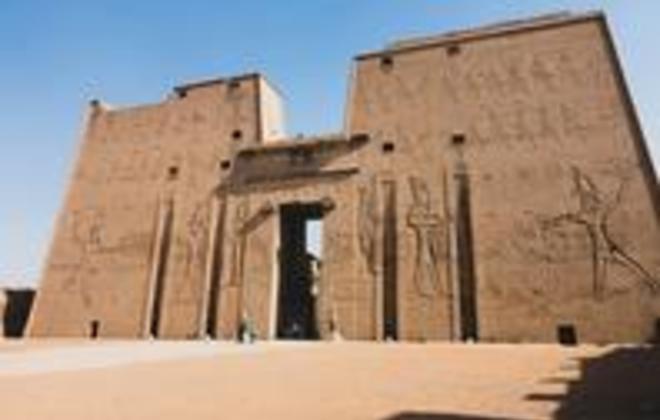
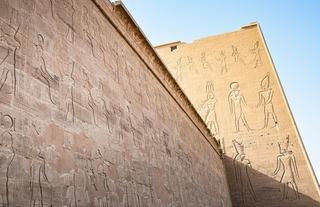
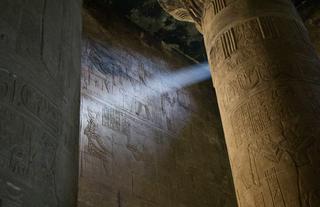
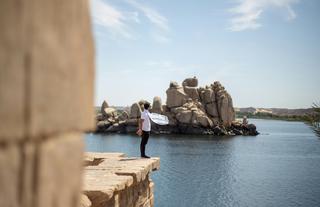
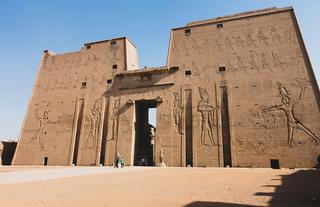
Resting on the western bank of the Nile, just south of Luxor, the market town of Esna boasts a scenic riverfront, a collection of ancient structures and a vibrant weekly market. It once served as an important stop along the camel-caravan trade route between Egypt and Sudan during the 18th Pharaonic Dynasty and today it is a popular stop for cruises. This hidden gem of a city features a tranquil atmosphere which is livened up by Esna’s tourist-oriented market on Saturdays, where visitors can purchase fabric and have one-of-a-kind clothes made. Visitors can also explore the old streets and temples, stroll along the scenic banks of the Nile and admire the ancient architecture of Esna’s old houses, featuring fine brickwork and elaborate mashrabiyya (wooden lattice screens). The undeniable highlight is the Temple of Khnum, also known as the Temple of Esna featuring grand pillars and well-preserved carvings from as late as the 3rd century AD. Don’t miss the opportunity to view the Fatimid-era Emari minaret, one of the oldest in Egypt.


