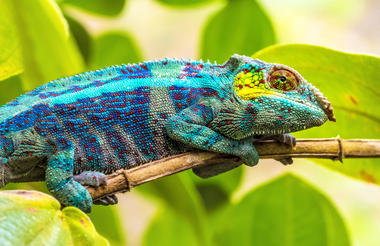
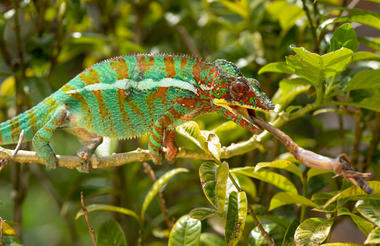
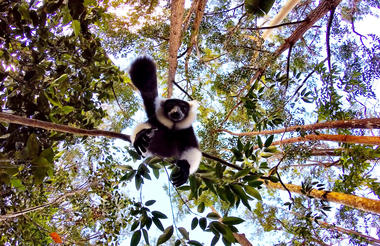
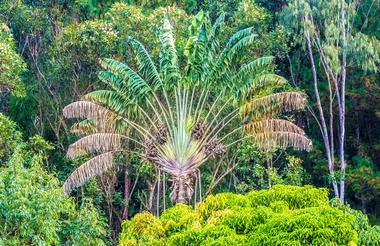
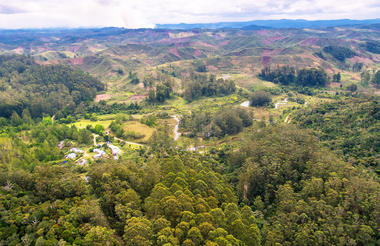
Evolution has occurred more or less in isolation on this remote island – located 400 kilometres off Africa’s east coast – with the result that much of its indigenous wildlife is found nowhere else on earth. Madagascar’s menagerie of weird and wonderful creatures includes the world’s biggest and smallest chameleons and over 70 species of lemur – long-tailed primates endemic to the island. The Madagascan landscape is no less compelling than the resident wildlife, with terrain ranging from lush jungles and palm-fringed beaches to the knife-edged karst tsingys of the Tsingy de Bemaraha National Park’s ‘stone forests’. Madagascar is an otherworldly paradise where visitors are offered a unique glimpse into a fantastical one-of-a-kind world.
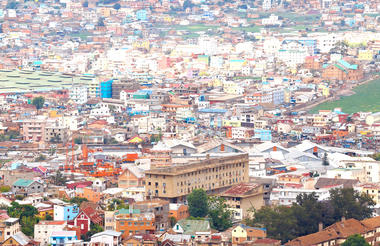
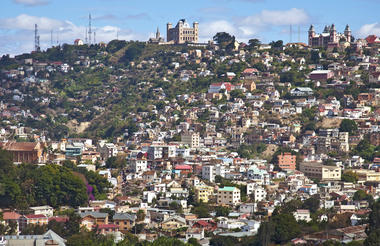
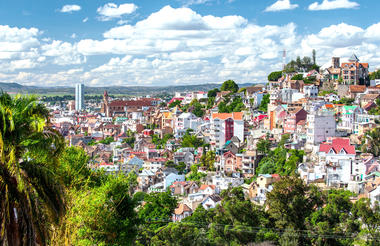
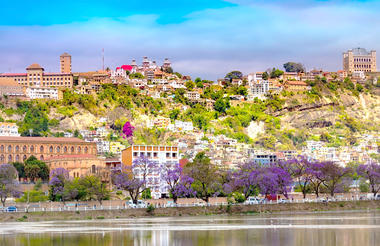
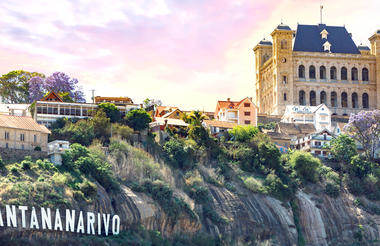
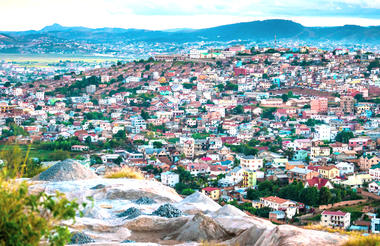
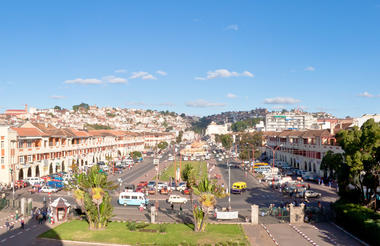
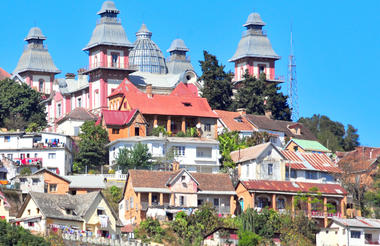
Set across a series of hills in Madagascar's central highlands, Antananarivo is the country's vibrant capital and cultural heart. Often referred to as "Tana", the city combines a rich history with a lively urban atmosphere, where colourful markets, colonial-era buildings, and bustling streets reflect a blend of Malagasy traditions and past influences. Visitors can explore the historic Upper Town, admire panoramic views from the restored Queen's Palace, and browse local crafts, spices and produce in the city's markets. The scent of street food drifts through the air, while narrow lanes and steep stairways reveal hidden corners of everyday life. Dynamic and energetic, Antananarivo offers an authentic introduction to Madagascar's culture, history and distinctive character.
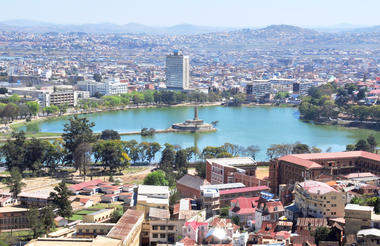
Ampefy is a photogenic village located in Madagascar's Soavinandriana district, known for its farmlands, food markets, and nearby volcanoes. The enthralling Lake Kavitaha is a famous spot for fishing, while the surrounding hills and gorgeous pastoral scenes offer days' worth of hiking, climbing and cycling opportunities. Some lovely souvenir shops, superb restaurants, and charming cafes complete the enticing package.


Perched in the Central Highlands, Antsirabe serves as the capital of the Vakinankaratra Region. Known as the ‘Malagasy Vichy’ because of its numerous hot springs and thermal baths, Madagascar’s third largest city offers tourists a bustling and gritty atmosphere in a setting reminiscent of the Belle Epoque. The city can be experienced on foot or on one of the many colourful pulled rickshaws - referred to locally as 'pousse-pousses'. The city’s charming attractions include French colonial buildings dating back to the early 20th century, Scandinavian villas, vibrant markets, and artisan workshops. Nno visit is complete without a trip up Ivohitra Hill, where a panoramic view of the scenic highlands awaits.


Located in south central Madagascar, the royal 19th-century city of Fianarantsoa has grown over the years to become Madagascar’s cultural and intellectual hub. Serving as Madagascar’s third largest city, Fianarantsoa is home to numerous schools and academic establishments, impressive colonial architecture, and more churches per square metre than any other city in the country. A popular attraction is the old historic centre of Anatirova, where tourists can enjoy panoramic views of the city. Fianarantsoa is also located in the country’s richest wine-producing region, making wine tours and tastings a popular pastime. Visitors can also enjoy browsing the local market and exploring Haute-Ville, with its cobbled streets and great views.


A quaint farming community surrounded by verdant valleys on the banks of Namorona River, the small town of Ranomafana is situated in the district of Ifanadiana in the Vatovavy-Fitovinany Region of southeastern Madagascar. Just a few kilometres away from town is the famous Ramofana National Park, a 41 600-hectare expanse of thriving rainforest. Nature lovers can enjoy hiking through the mountainous terrain, enjoy a leisurely soak in the thermal hot waters and view the abundant wildlife that inhabits the area including twelve lemur species, varying species of bats, tenrecs, mongooses, chameleons, spiders and over a hundred species of bird. Located east of Ranomafana is the picturesque Ranomafana Arboretum, an impressive botanical garden that boasts over 250 plant species and 36 tree species that thrive in this pristine paradise.


Situated in Central Madagascar, surrounded by rice paddies, the pretty town of Ambositra is considered to be the heart of Madagascar’s wood carving industry. Local houses featuring ornately carved wooden balconies and shutters, along with the architectural marvels of the Benedictine Chapel, make for a most attractive setting. Ambositra serves as an excellent base from which to explore the traditional Zafimaniry villages. Some of the best shops are found opposite the Grand Hotel, which in itself is worth visiting for a cold beer. Hotely ny Tanamasoandro offers outstanding decor, a warm atmosphere, good and reasonably priced meals as well as an opportunity to purchase silks, wood carving, embroidery and other typical Malagasy items.


As previously described
Located in eastern Madagascar in the Moramanga District, the small village of Andasibe is surrounded by a belt of protected rainforest and several parks boasting incredible natural scenery and an array of exotic Madagascan wildlife. It serves as an excellent base from which to explore the spectacularly scenic surrounds. Visitors can look forward to discovering the natural wonders of the nearby Andasibe-Mantadia National Park, Analamazaotra Reserve and Perinet Special Reserve. Don't miss the opportunity to hear the unique song of the large indri lemur, explore a network of incredible trails that wind past glistening lakes and magnificent waterfalls and discover the rich biodiversity in the local flora and fauna.
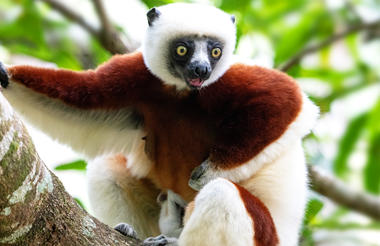

Also known as the Palmarium Reserve, Akanin'ny Nofy Reserve is located on the banks of the Ampitabe Lake on the eastern coast of Madagascar. The literal translation from Malagasy is ‘the nest of dreams’ - an apt name for this slice of paradise - which boasts coastal dunes, lush forest, and a well-maintained trail for visitors to explore. It is home to a variety of flora and fauna as well as a variety of reptiles, frogs, palm trees, carnivorous pitcher plants and an array of orchids. The reserve also features some rare and unique animal species, including the famous dancing sifaka, and seven lemur species including the Indri. Nature enthusiasts will delight in the breathtaking natural scenery and abundant wildlife. The reserve is only accessible via boat, making for a wonderfully adventurous entry into this wild wonderland.


As previously described
As previously described