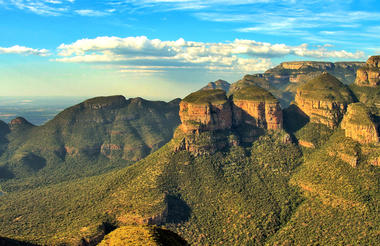
Bordering Zimbabwe, Mozambique, and Botswana, the Limpopo Province is South Africa’s northernmost province, renowned for its quintessentially African landscapes and rich natural heritage. This diverse region is known for its immense scenic beauty, where rugged mountains meet vast, pristine savannah plains that shelter an abundance of wildlife. It encompasses striking natural features such as the Makgabeng Plateau and the Blouberg Mountains, along with a variety of towns and rural communities surrounded by numerous private and public reserves, including the world-renowned Kruger National Park. Visitors are drawn to Limpopo to explore the fossil-rich caves of Makapansgat, discover the UNESCO-listed archaeological site of Mapungubwe, and experience authentic safari adventures in some of South Africa’s most untouched wilderness areas. Combining cultural heritage, archaeology and spectacular wildlife, Limpopo offers a truly immersive African travel experience.
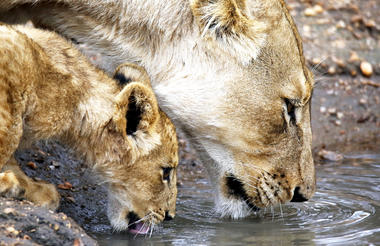
Located in the Limpopo province of South Africa, the Klein Letaba River joins the Groot Letaba River on the western boundary of the Kruger National Park, where it forms the Letaba River and flows through the width of the world-renowned park. The banks of the Klein Letaba River are brimming with a remarkable variety of African wildlife, including elephant, buffalo, zebra, impala and giraffe. One of the area’s highlights includes what is possibly the largest and most stable breeding herd of elephant in the Kruger National Park, which finds its stomping ground at the confluence of the Klein Letaba and the little Byashishi rivers.


This remarkable 42 000 hectare area of pristine wilderness, located just North of Phalaborwa, shares an unfenced border with the renowned Kruger National Park - allowing its impressive variety of African wildlife to roam freely through the African bush. The park is home to not only the Big Five but a large number of crocodiles and hippos, who find sanctuary in the cool waters of the Great Letaba River. Lush galleries of forest thick with sycamore figs, tambotis and sausage trees allow regular sightings of the elusive leopard.