The name Tanzania conjures up images of wildebeest stampeding across vast savannah, rain forests teeming with monkeys and birdlife, and great plains brimming with legions of game. All of these natural wonders and more are on offer in this exceptionally diverse African nation. Visitors typically visit Tanzania to partake in at least one of the four well-known Tanzanian tourist experiences: a relaxing seaside vacation on the picturesque island paradise of Zanzibar, an underwater tour of some of the world’s most renowned dive sites around the gorgeous Spice Islands, a safari adventure in some of Africa’s most impressive game reserves, or a hiking excursion around Mount Kilimanjaro National Park. Whichever of these incredible holidays you choose, you will undoubtedly be welcomed by some fabulously friendly and peaceful inhabitants who, despite being divided into 120 different ethnic groups and cultures, live in harmony with one another and provide some of the most wonderfully exotic local cuisine you could imagine. With all of this diversity on offer, the most difficult part of your Tanzanian holiday experience is likely to be deciding where to go!
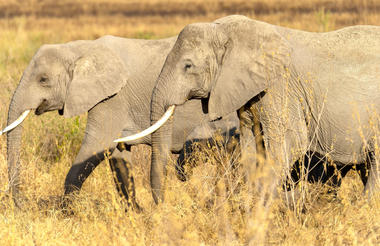
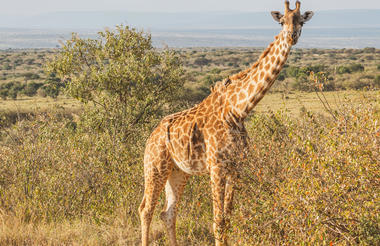
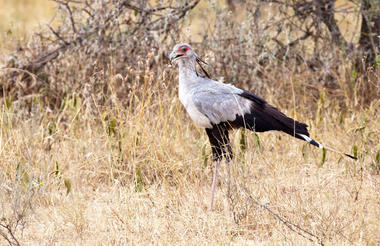
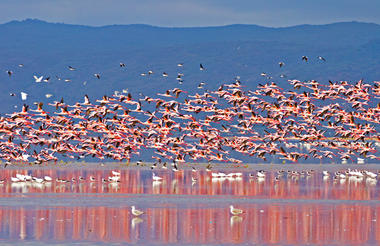
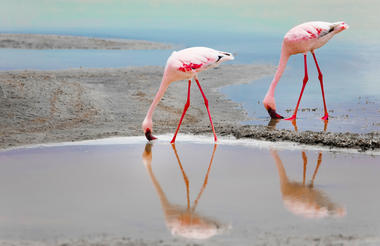
Situated in Tanzania’s central-northern region with the Lake Manyara to its east and the Manyara Escarpment to its west, the Lake Manyara National Park offers breathtaking views and a large variety of habitats supporting an array of wildlife. This small park is home to surprising biodiversity and features a magnificent landscape of acacia woodlands, forests, baobab strewn cliffs, algae-streaked hot springs, swamps and the lake itself. The park supports over 400 species of bird and the largest concentration of baboons anywhere in the world. Other species to spot include giraffes, zebras, wildebeest, impala, waterbuck, warthog, the Cape clawless otter, and the Egyptian mongoose. Don’t miss the opportunity to see thousands of flamingos on the lake, the renowned tree-climbing lions, and large families of elephants strolling through the forest.
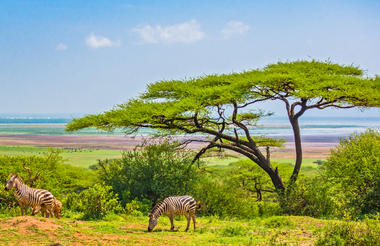
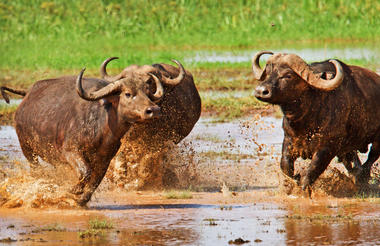
Located within northern Tanzania's Ngorongoro Conservation Area, Ngorongoro Crater is the world's largest intact volcanic caldera and one of Africa's most remarkable wildlife destinations. Encircled by steep crater walls, its fertile grasslands, forests and soda lakes support an extraordinary concentration of animals, including lions, elephants, buffalo and hippos. Game drives across the crater floor offer exceptional wildlife viewing within a relatively compact area, while Maasai communities in the surrounding highlands provide insight into local traditions and culture. From mist drifting over the crater rim at dawn to vast plains dotted with grazing herds below, the landscape is both dramatic and serene. Although popular and often busy, Ngorongoro delivers an unforgettable safari experience shaped by stunning scenery and abundant wildlife.
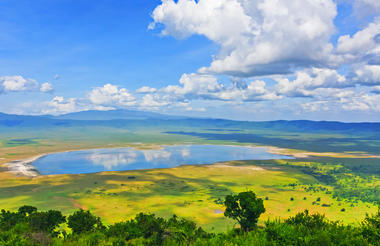
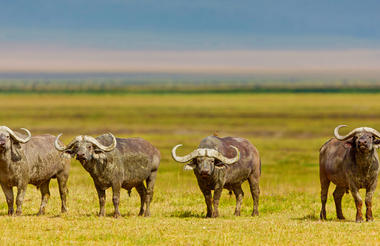
Situated at the heart of Serengeti National Park in northern Tanzania, the Central Serengeti is the park's most visited and wildlife-rich region, centred around the Seronera Valley. Characterised by vast open plains, scattered acacia trees, distinctive granite kopjes favoured by lions and cheetahs, and permanent water sources, it offers exceptional year-round game viewing and is renowned for its resident leopards, often seen resting in the branches of riverside trees. Visitors can enjoy rewarding game drives in search of lions, leopards, cheetahs, elephants, giraffes and large herds of plains game, while the Seronera River attracts an abundance of birdlife and other animals throughout the year. Although it is one of the Serengeti's busiest safari areas, its remarkable biodiversity and reliable wildlife viewing make it an outstanding destination for both first-time and returning visitors.