One of the most culturally and geographically diverse places on earth, South Africa, fondly known by locals as the 'Rainbow Nation,' boasts 11 official languages and its inhabitants are influenced by a fascinating mix of cultures. Discover the gourmet restaurants, impressive art scene, vibrant nightlife, and beautiful beaches of Cape Town. Enjoy a local braai (barbecue) in the Soweto township, browse the bustling Indian markets in Durban, or sample some of the world's finest wines at the myriad wine estates dotting the Cape Winelands. Some historical attractions to explore include the Apartheid Museum in Johannesburg and Robben Island just off the coast of Cape Town. Above all else, its untamed wilderness is astonishing. Wildlife roams across massive game reserves such as the world-famous Kruger National Park, one of the largest national parks in the world, with an area of 19,485 km2 (7,523 sq mi).
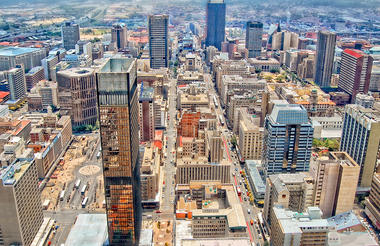
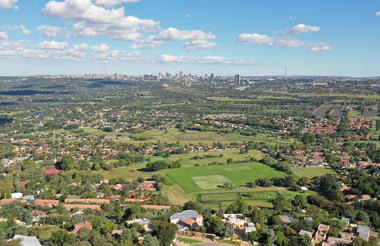
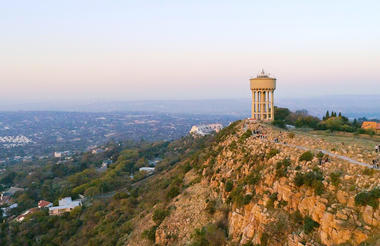
Johannesburg was initially developed in response to the discovery of gold in the mineral-rich area called Witwatersrand. Today, it is the business center of the country and has an urban area population of around 15 million people, making it one of the world’s largest cities in both area size and population. Johannesburg, affectionately known as Joburg or Jozi to its residents, has also re-incorporated Soweto (once one of the largest townships in the world) back into it. Soweto, which stands for “southwestern townships,” was separate from the city during apartheid and was home to many of the city’s gold and diamond workers.
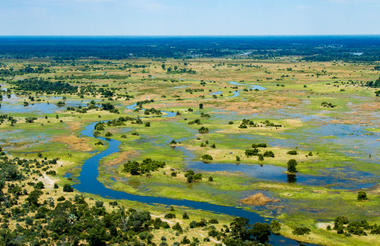
One of Africa’s most breathtaking and unspoiled destinations, situated in the southern reaches of Africa, Botswana is renowned for its pristine wilderness areas characterised by deep lagoons, wetlands, lush palms, rugged hills and desert plains. The country’s primary tourist drawcard is undoubtedly the vast red expanse of the Kalahari Desert and its remarkably beautiful Okavango Delta, the largest inland delta in the world. These natural wonders provide a tranquil haven for an abundance of African wildlife to thrive. Other highlights include the impressive Makgadikgadi Salt Pans, where visitors are privy to massive zebra migrations during the flood season; the Savuti plains, which host a significant pride of lions; and the Tsodilo Hills, where 4500 rock paintings form a unique record of human settlement over many millennia.
Adventurous travellers seeking a truly remote African safari will be thrilled to discover it in central Botswana. The Central Kalahari Game Reserve is the second largest game reserve in the world and one of the least visited. Nothing can prepare you for the sheer wonder of exploring this vast reserve with its wild, untouched beauty. The landscape is dominated by sand veld, acacias, and Kalahari apple-leaf, interspersed with grasslands and dotted with occasional sand dunes, pans and fossil river valleys.


Situated in the northwestern corner of Botswana, the Okavango Delta is a World Heritage Site as it is the largest inland delta in the world. The magnificent Okavango River sprawls out over the dry sands of the Kalahari Desert forming this flourishing waterlogged oasis featuring countless meandering waterways and crystal clear lagoons studded with water lilies, as well as fertile floodplains and reeded islands inhabited with abundant wildlife. The Okavango Delta stretches over an impressive15000 square kilometres. Visitors can enjoy a number of wonderful activities such as game viewing, fishing, bird watching or taking an authentic guided Mokoro excursion through this wetland paradise in a traditional dugout canoe. Commonly spotted animals include: lion, rhino, leopard, giraffe, hippos, elephants, crocodiles and countless species of bird.
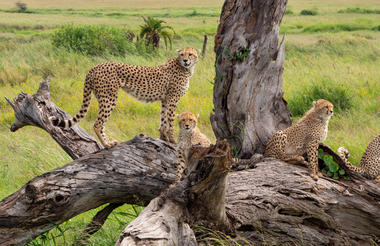
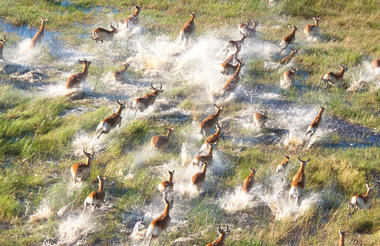
One of the most culturally and geographically diverse places on earth, South Africa, fondly known by locals as the 'Rainbow Nation,' boasts 11 official languages and its inhabitants are influenced by a fascinating mix of cultures. Discover the gourmet restaurants, impressive art scene, vibrant nightlife, and beautiful beaches of Cape Town. Enjoy a local braai (barbecue) in the Soweto township, browse the bustling Indian markets in Durban, or sample some of the world's finest wines at the myriad wine estates dotting the Cape Winelands. Some historical attractions to explore include the Apartheid Museum in Johannesburg and Robben Island just off the coast of Cape Town. Above all else, its untamed wilderness is astonishing. Wildlife roams across massive game reserves such as the world-famous Kruger National Park, one of the largest national parks in the world, with an area of 19,485 km2 (7,523 sq mi).
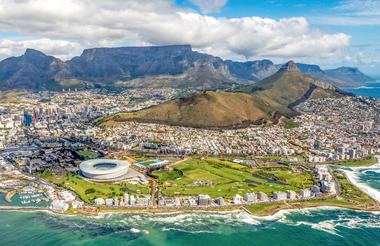
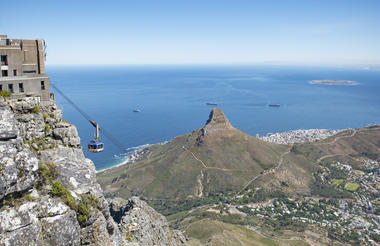
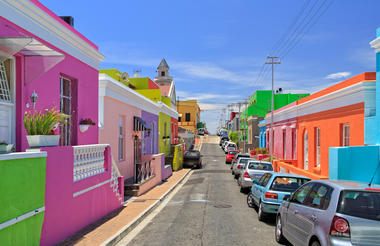
Set at the confluence of the Indian and Atlantic oceans and backed by the iconic Table Mountain, the bustling city of Cape Town draws visitors from all over the world. It is where the first European traders landed and interacted with the native Khoikhoi people and where the first colony was established, making it South Africa’s oldest city. Powdery white beaches, highly acclaimed vineyards, and beautiful mountain trails surround the now cosmopolitan hub. This diverse metropolis is filled with superb shops and restaurants, extraordinary heritage monuments, a multitude of entertainment venues, and a spectacular waterfront harbour. Highlights include the Zeitz Museum of Contemporary Art Africa; Table Mountain's jaw-dropping views; Boulders Beach, where critically endangered African penguins frolic; the Kirstenbosch Botanical Gardens, where you can walk along a treetop canopy among incredible native flora; Robben Island, where visitors can see the cell where Nelson Mandela was imprisoned for 18 years; and much more.
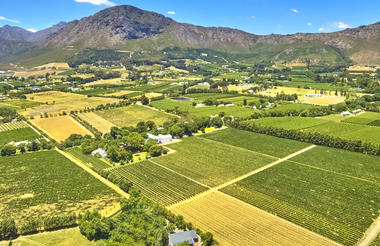
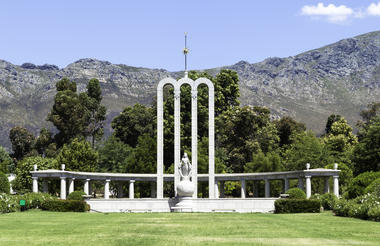
One of South Africa’s oldest towns, Franschhoek lies about 50 miles east of Cape Town in a valley surrounded by mountain ranges on three sides. The town was established in the 17th century by French Huguenots and boasts fine examples of classic Cape Dutch architecture. It is now internationally recognized for its award-winning restaurants and vineyards, making it a captivating destination for wine enthusiasts and food lovers alike. Travellers could choose to focus their visit on any one aspect alone - nature, cuisine or culture - and find plenty to keep them busy. The estates here attract wine experts from around the globe with their Pinotage, Chenin Blanc, and Cap Classique sparkling wine (among others). Five-star restaurants alongside the cellars are surrounded by the same jaw-dropping valley scenes that have brought artists and writers to the area for centuries. The town’s Cape Dutch manor houses, fascinating museums, and charming boutiques make Franschhoek a wonderful place to visit in winter. Summer provides endless hiking, cycling and other outdoor opportunities among the lush farmlands and mountains.