


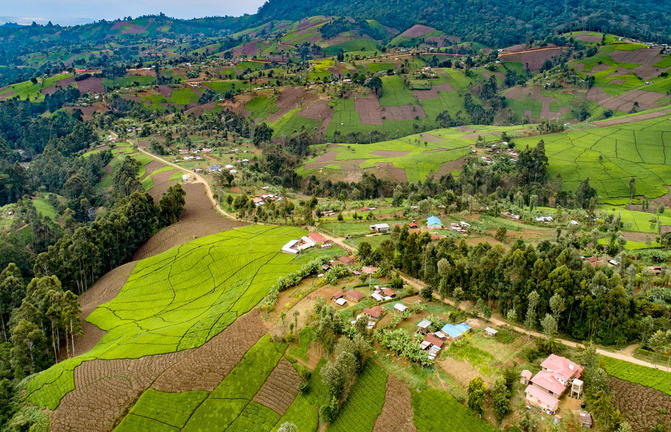
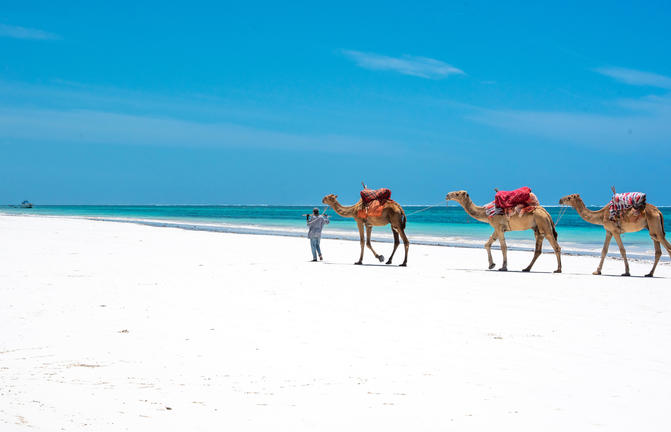
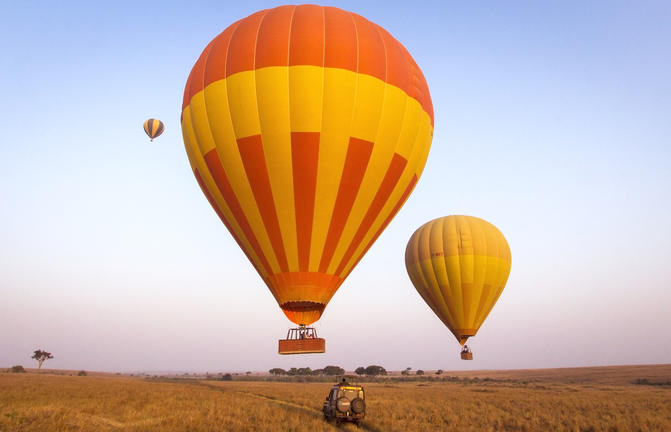
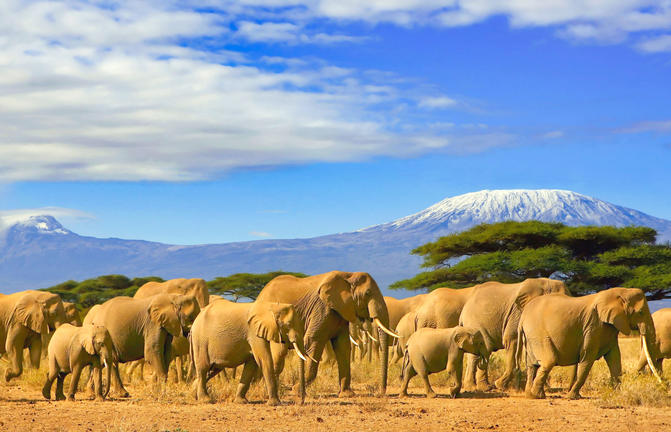
Resting in the magnificent Great Rift Valley and presided over by the majestic Mount Kilimanjaro, Kenya is characterised by hauntingly beautiful natural landscapes of forested hills, patchwork farms, wooded savanna and vast forests brimming with an extraordinary abundance of wildlife. The nation’s diverse range of traditional African cultures is influenced by over 70 unique ethnic groups from the Maasai, Samburu, Kikuyu, and Turkana tribes to the Arabs and Indians that settled on the coast. Add to this: an exquisite tropical coastline fringed with breathtaking golden sand beaches; gorgeous coral gardens providing excellent snorkeling and diving opportunities; and a slew of lively beach resorts, and it is easy to see why so many visitors flock here from around the world to experience a truly unique African adventure in one of the world’s most pristine safari destinations.




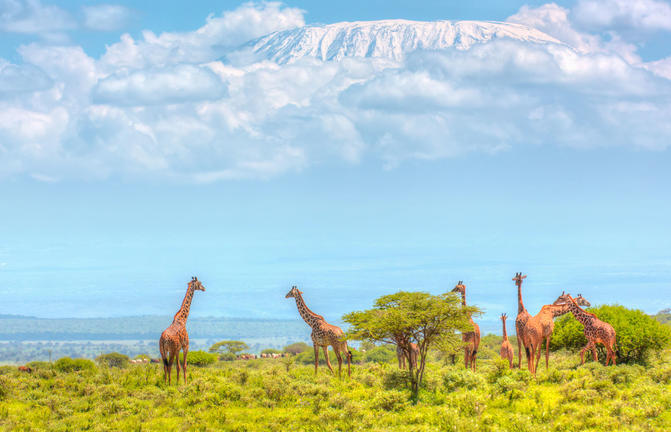
Resting in the magnificent Great Rift Valley and presided over by the majestic Mount Kilimanjaro, Kenya is characterised by hauntingly beautiful natural landscapes of forested hills, patchwork farms, wooded savanna and vast forests brimming with an extraordinary abundance of wildlife. The nation’s diverse range of traditional African cultures is influenced by over 70 unique ethnic groups from the Maasai, Samburu, Kikuyu, and Turkana tribes to the Arabs and Indians that settled on the coast. Add to this: an exquisite tropical coastline fringed with breathtaking golden sand beaches; gorgeous coral gardens providing excellent snorkeling and diving opportunities; and a slew of lively beach resorts, and it is easy to see why so many visitors flock here from around the world to experience a truly unique African adventure in one of the world’s most pristine safari destinations.
Situated in southwestern Kenya, the Masai Mara encompasses the celebrated national reserve and its surrounding community conservancies, forming part of the Greater Serengeti–Mara ecosystem. Rolling savannahs, dotted with acacia trees and crossed by the Mara River, create a rich and varied landscape. Vast herds of wildebeest, zebra, and antelope graze across the plains, while elephants, giraffes, and buffalo roam freely. The river’s lush banks support hippos and crocodiles and sustain wildlife throughout the dry season. Predators are abundant, with lions, leopards, cheetahs, and hyenas regularly seen in action. Each year, the spectacular Great Migration transforms the region, as millions of wildebeest and zebra traverse the plains. Visitors can soak up the breathtaking scenery, diverse wildlife, and Maasai cultural heritage in one of Africa’s most iconic safari destinations.


The name Tanzania conjures up images of wildebeest stampeding across vast savannah, rain forests teeming with monkeys and birdlife, and great plains brimming with legions of game. All of these natural wonders and more are on offer in this exceptionally diverse African nation. Visitors typically visit Tanzania to partake in at least one of the four well-known Tanzanian tourist experiences: a relaxing seaside vacation on the picturesque island paradise of Zanzibar, an underwater tour of some of the world’s most renowned dive sites around the gorgeous Spice Islands, a safari adventure in some of Africa’s most impressive game reserves, or a hiking excursion around Mount Kilimanjaro National Park. Whichever of these incredible holidays you choose, you will undoubtedly be welcomed by some fabulously friendly and peaceful inhabitants who, despite being divided into 120 different ethnic groups and cultures, live in harmony with one another and provide some of the most wonderfully exotic local cuisine you could imagine. With all of this diversity on offer, the most difficult part of your Tanzanian holiday experience is likely to be deciding where to go!


Situated at the heart of Serengeti National Park in northern Tanzania, the Central Serengeti is the park's most visited and wildlife-rich region, centred around the Seronera Valley. Characterised by vast open plains, scattered acacia trees, distinctive granite kopjes favoured by lions and cheetahs, and permanent water sources, it offers exceptional year-round game viewing and is renowned for its resident leopards, often seen resting in the branches of riverside trees. Visitors can enjoy rewarding game drives in search of lions, leopards, cheetahs, elephants, giraffes and large herds of plains game, while the Seronera River attracts an abundance of birdlife and other animals throughout the year. Although it is one of the Serengeti's busiest safari areas, its remarkable biodiversity and reliable wildlife viewing make it an outstanding destination for both first-time and returning visitors.
Not to be confused with the Kenyan lake of the same name set only a hundred kilomtres away, the Tanzanian Lake Magadi is an exquisite soda lake in the Ngororongo crater, named the Swahili word for salt. This is a wonderful destination for nature photographers, a scene that changes exquisitely through the seasons, moving through lush greens into striking oranges and bright pinks. Along with the changes come captivating, changing groups of animals including rhino, eland and lion, as well as golden jackals who come to hunt the flamingos. Spread over 11.2 square kilometres, the lake cultivates a unique ecosystem with its blue-green algae, which nourishes the plants and small creatures here. The surrounding crater is filled with incredible other natural attractions and a much wider variety of wildlife.


Situated on the northern tip of Zanzibar in the Zanzibar Archipelago, this lively coastal village is one of the island’s most popular beach destinations. Fringed by soft white sand and the clear turquoise waters of the Indian Ocean, Nungwi blends traditional fishing culture with a well-developed beach scene. Visitors can watch wooden dhows being handcrafted, join snorkelling or diving trips to nearby coral reefs, or take boat excursions across luminous waters that often glow at sunset. Unlike parts of Zanzibar’s east coast, swimming is possible throughout the tidal cycle, making it a reliable beach destination year-round. The atmosphere is vibrant, with beach bars, seafood grills and music drifting on the warm sea breeze, though it can feel busy in peak seasons. Nungwi offers a vivid mix of relaxation, culture and coastal energy.


