


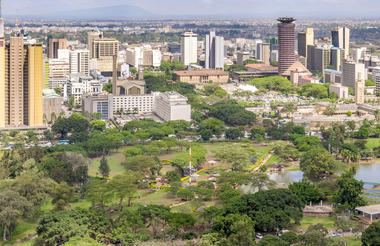
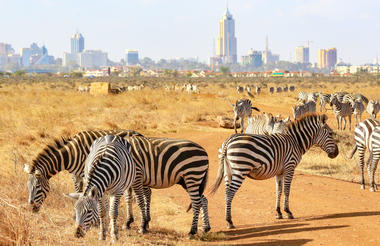
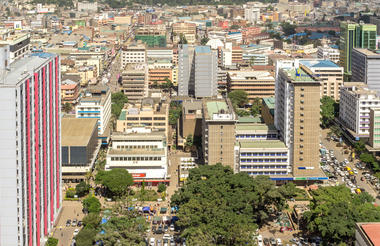
Widely regarded as one of East Africa’s most dynamic and cosmopolitan cities, Nairobi sits along the Nairobi River and serves as Kenya’s capital and largest urban centre, acting as a major gateway for safari travel across the country. The city features a growing café culture, active nightlife, and cultural landmarks such as the National Museum of Kenya and the Karen Blixen Museum. Just outside the city centre lies Nairobi National Park, where wildlife, including lions, giraffes, and buffalo, roam against a backdrop of skyscrapers — one of the rare cases in the world where a major national park borders a capital city. Visitors also often stop at the David Sheldrick Wildlife Trust elephant orphanage for close encounters with rescued calves.
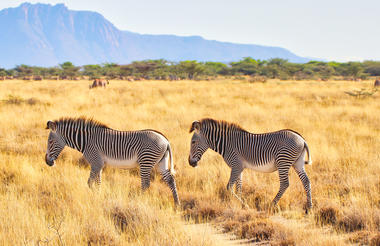
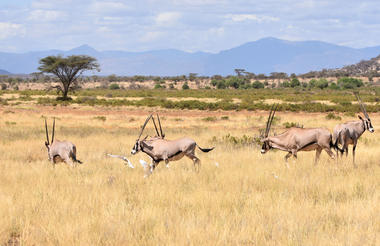
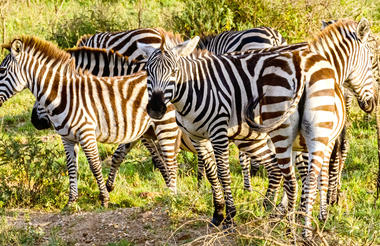
Kalama Community Wildlife Conservancy, an exclusive and collectively-owned 95,000 hectare-large wildlife Conservancy, borders the Samburu National Reserve in Northern Kenya. It also borders Ngutuk Ongiron Group Ranch to the west, Namunyak Community Conservation Trust to the north, and Sera Community Wildlife Conservation to the northeast. Kalama is part of the Northern Rangelands Trust. The Samburu ecosystem is a well-known area in central Kenya comprising of Buffalo Springs National Reserve, Samburu National Reserve, and Kalama Conservancy. The natural environment is arid and semi-arid; open scrub and grasslands with significant environmental variation based on altitude. The area is home to the ‘Samburu Special Five’ – indigenous species only found in this area namely the Beisa oryx, the gerenuk, the Somali ostrich, the Grevy’s zebra, and reticulated giraffe.
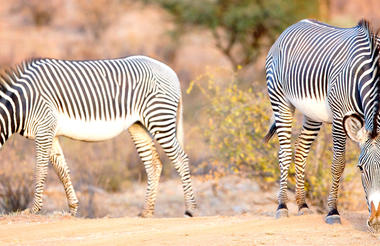
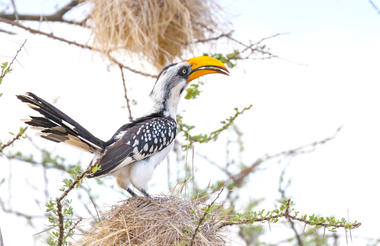

Set on the banks of the Ewaso Ng'iro River and neighbouring the Buffalo Springs National Park, Samburu National Reserve is characterised by a spectacular landscape of rugged hills, undulating plains and riverine forests. The park is home to abundant wildlife including a variety of rare species such as the reticulated giraffe, the long-necked gerenuk, Somali ostrich, Grevy's Zebra, and Beisa Oryx. Visitors can also enjoy spotting over 900 elephants, a variety of predators, and over 450 bird species. The ancient culture of the Samburu people is still alive here, and it is possible to see two unique customs firsthand. In the first, watch as herds of cattle respond to each man’s individual voice as they call. In the second, see the tribesmen perform incredible dances that go back hundreds of years.
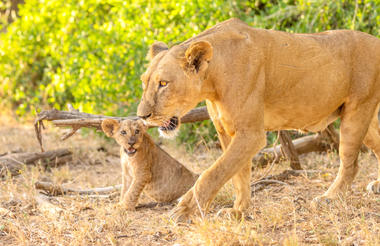
Located in the southern reaches of Tanzania's Serengeti National Park, the Southern Serengeti is a vast wilderness of open short-grass plains renowned for its role in the Great Migration and exceptional wildlife viewing. This remote safari region is at its best between December and March, when hundreds of thousands of wildebeest gather to calve, attracting an abundance of predators, including lions, cheetahs and hyenas. Beyond the migration, visitors can enjoy rewarding game drives, exceptional birdwatching and sweeping views across expansive plains beneath vast African skies. The region's seasonal camps, peaceful atmosphere and remarkable concentration of wildlife create an immersive safari experience, offering an unforgettable glimpse into one of Africa's most celebrated natural ecosystems.


As the largest island in the Seychelles, Mahé combines granite peaks, dense tropical forest and curved beaches washed by the warm Indian Ocean. The island’s coastal roads wind past fishing villages, market stalls and quiet coves, while Morne Seychellois National Park offers hiking trails through misty hills scented with cinnamon and wet earth. Offshore reefs and calm bays create excellent conditions for snorkelling, diving and boat excursions, with clear water revealing coral gardens and bright tropical fish beneath the surface. In Victoria, colourful Creole influences shape the food, music and daily life, giving the island a more lived-in atmosphere than some of Seychelles’ smaller resort islands. Mahé balances natural beauty with local character, though travel between beaches can involve steep, winding roads.


Situated on the east coast of Praslin, the horseshoe-shaped bay of Baie Sainte Anne is framed by verdant hills and turquoise waters, creating a serene coastal village atmosphere. The name refers not only to the bay itself but also to the district that covers much of the island's eastern side. Serving as a gateway to stunning natural wonders and historical sites, Baie Sainte Anne serves as a base from which to explore the UNESCO-listed Vallée de Mai, home to the rare coco de mer palms, famous for their uniquely shaped seeds, and fragrant vanilla orchids. Visitors can look forward to winding trails, enjoy ferry trips to neighbouring islands, snorkel in crystal-clear waters, or relax on pristine beaches. Once a centre for vanilla and copra production, the area retains a rich heritage, reflected in its laid-back charm and welcoming community.


Located in the highlands fringing the Great Rift Valley, Addis Ababa serves as the political, cultural and commercial centre of Ethiopia. This sprawling city rests in the foothills of the Entoto Mountains and features a mix of traditional homes, elegant villas, and tall office buildings. Visitors can look forward to a selection of wonderful activities including: visiting the National Museum, displaying local art, traditional crafts and prehistoric fossils; exploring the copper-domed Holy Trinity Cathedral, a Neo-Baroque architectural landmark; and sampling rich Ethiopian coffee as well as the memorable cuisine featuring spicy stews and Ethiopia’s signature Injera bread.


