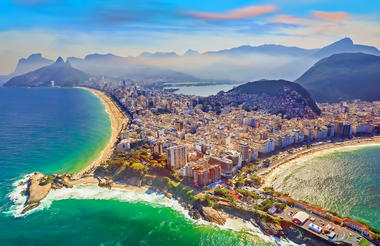
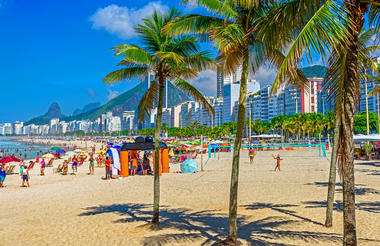
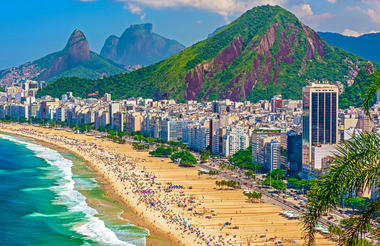
A dynamic coastal neighbourhood synonymous with leisure, luxury and nightlife, Copacabana is characterised by million-dollar penthouses, stunning neoclassical buildings and tiny apartments set against a magnificent backdrop of jungle-clad mountains in Rio de Janeiro. From its humble origins as a small fishing village, the "Princess of the Sea" is now a leisure seeker's paradise, bursting with restaurants, nightclubs, bars and hotels, and emits a lively, effervescent energy, perfect for the social traveller. To learn its history, visit Forte de Copacabana, a fort and museum that traces the early days of the Portuguese colony through to the mid-19th century. Art enthusiasts will appreciate a visit to The Eva Klabin Foundation (Casa Museu Eva Klabin), a historical home of famous art and antique collector Eva Klabin that houses over 1000 art pieces from all over the world. A visit to Copacabana is incomplete without the world-famous Copacabana Beach, a 4-kilometre stretch of golden sand dotted with brightly-coloured umbrellas, bars and a popular playground for watersports, football, volleyball, or simply lazing in the sun.
With its quaint architecture and cobbled streets, Armação dos Búzios, popularly known as Búzios, combines an old-world village charm with a sophisticated offering of boutiques, restaurants, and spas. Once a simple fishing village, it grew to its status as an upscale and fashionable tourist destination after French actress Brigitte Bardot visited with her Brazilian boyfriend in the early ‘60s. Situated on a jutting peninsula roughly two hours from Rio de Janeiro, Búzios’s west beaches offer clear, calm waters and gorgeous views, while the east side facing the open ocean draws water-sports enthusiasts from far and wide.


Set in the remote and rugged Serra do Espinhaco mountains of eastern Brazil, the historic colonial town of Ouro Preto has been preserved as a national monument and is a UNESCO World Heritage Site. This bustling university town and popular tourist destination is known for its ancient churches, winding cobblestoned streets, charming town squares, red-tiled roofs, pretty fountains, and wonderful Baroque architecture. Visitors can explore the 18th-century St. Francis of Assisi Church, stroll through the ancient streets, and discover the many squares including Praca Tiradentes, the town’s main square lined with an array of shops and cafes.


Foz do Iguacu is an important Brazilian town within the state of Parana, set close to the three-way border between Brazil, Argentina and Paraguay. Explore the incredible natural wonders of the UNESCO-listed Iguazu National Park, which offers the chance to see not only the enormous cascading waterfalls (one of the largest in the world) but also numerous rare and endangered plants and animals. At the Bird Park, see bright and beautiful winged species. Marvel at the architecture, atmosphere and sacred ceremonies at the Buddhist Temple and Omar Ibn Al-Khattab Mosque. Delve into local heritage by attending the mesmerising Ipora Show, a celebration of culture through story, song and dance. Other highlights include the Three Borders Landmark, Itaipu Dam, and Dreamland Wax Museum.


Manaus, located in northwestern Brazil on the banks of the Negro River in northwestern Brazil, is the capital of the Amazon, its largest city and primary tourism hub. Manaus is a bustling urban centre permeated with brightly coloured residential homes, modern high-rise buildings and tour offices where you can book jungle lodges and river cruises. The town lies near the confluence of the Negro and Amazon, known as the ‘Meeting of the Waters’, which is accessible by boat from Manaus. According to local lore, the two rivers run side by side for six kilometres without mixing and, in fact, it’s possible to feel the different temperatures of the two water sources by dipping your hand into the currents on either side of the vessel.

Situated in northwestern Brazil where the mighty Solimoes, Negro, and Madeira rivers converge to form the grand Rio Amazonas, the Amazonas State is the largest in Brazil and is covered almost entirely by the Amazon rainforest. The rivers join at the capital port city of Manaus, which serves as a great base for exploring the area and offers some interesting forest tours and landmarks of its own. Visitors can look forward to taking a boat tour of the Rio Negro's Anavilhanas Archipelago and its hundreds of islands, occupied by a number of indigenous villages. Other popular attractions include the Jardim Botânico Adolpho Ducke in Manaus, the world’s largest urban forest, and, also in Manaus, the gorgeous opera house of Teatro Amazonas, built at the height of the rubber boom.


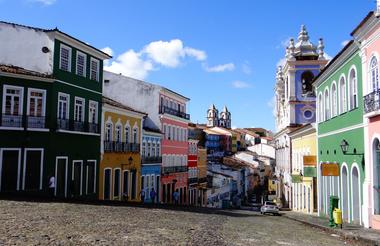
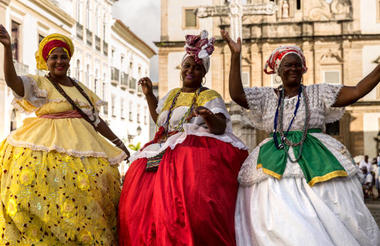
One of the oldest cities in Brazil, Salvador is known for its rich culture, hospitable locals and laid-back atmosphere. Set against a backdrop of impressive architecture, this attractive coastal destination is a place where entertainment, music and fine cuisine abound, earning it the nickname the 'capital of happiness'. Highlights of the area include its lovely beaches and ocean views, 17th century fort, São Joaquim craft market and array of fascinating museums. The best time to visit Salvador is during the annual Carnaval, when the streets come alive with colours, costumes, dancing and festivities.