Zimbabwe’s capital city is the country’s most cosmopolitan and contemporary destination, dotted with restaurants and bars, shops and markets. Its proud historical and cultural heritage is reflected in several well-preserved old buildings and informative museums, while its many parks and gardens provide a pleasant contrast to the bustling urban sectors. Located within easy reach of the city centre are the Mukuvisi Woodlands, comprising over 250 hectares of natural wilderness, while The Kopje – a rocky hill to the southwest of Harare – offers great views over the city.
Encompassed by majestic granite formations in southeastern Zimbabwe, Lake Mutirikwe, formerly known as Lake Kyle or Kyle Dam, is a pristine reservoir meticulously constructed to supply water to the Lowveld farming estates, particularly around Triangle, a prominent centre for sugar cane cultivation. This breathtaking lake offers a variety of recreational activities, such as fishing, camping, leisurely picnicking, and serene sailing. As a part of the Lake Mutirikwi Recreational Park, it's home to diverse wildlife, including white rhinos, zebras, giraffes, impalas, and kudus. The park also hosts cultural education programs collaborating with the local Nyoongar people, illuminating the area's rich history and heritage. Explore this natural gem through horseback safaris, guided game drives, rhino trails, and birdwatching.


Idyllically located in the spectacular Matobo Hills, the renowned Matobo National Park is known for its rich human history, its remarkably diverse flora and fauna and its magnificent rugged terrain. This unspoiled natural wilderness features a range of massive red-tinged, granite boulders interspersed with gorgeous wooded valleys making it a dream destination for hikers, climbers and nature lovers alike. The reserve is compact, easily accessible and is home to an impressive range of African wildlife including the highly endangered black and white rhinoceros, zebra, wildebeest, giraffe, cheetah, hippo, warthog and crocodile as well as Africa's largest concentration of leopard and black eagles. This unforgettable national park serves as an ideal stopover for travellers heading to the popular tourist sites of Hwange and the majestic Victoria Falls.
Located in western Zimbabwe, Hwange National Park (formerly Wankie Game Reserve) is the largest natural reserve in the country and is famous for its rich diversity of wildlife. Home to one of the biggest elephant populations in the world, as well as around 100 mammal species, the park is a wonderland for animal lovers. Several protected animals inhabit the awe-inspiring open landscapes, including the endangered wild dog, critically endangered black rhino, and rare roan and sable - along with lion, cheetah, and around 500 bird species. Adventurers can look forward to guided bush hikes, game drives, and horse riding safaris, all of which offer excellent photographic opportunities. Hwange boasts several unique natural features, most notably the natural seeps such as Nehimba and Shakwanki animals dig for water.
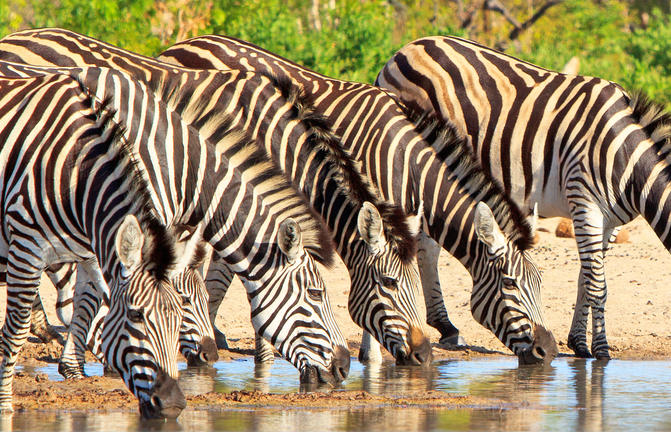
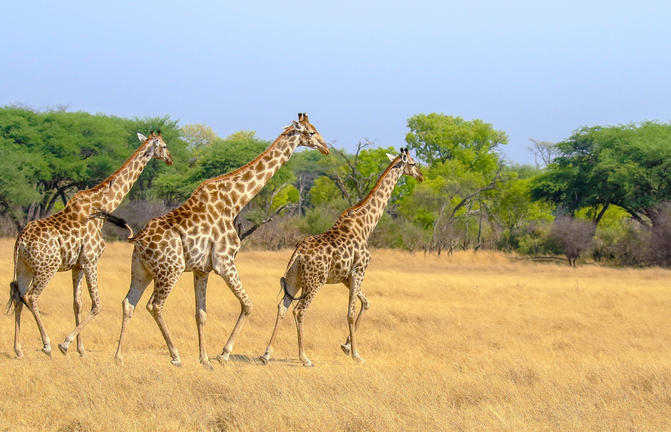
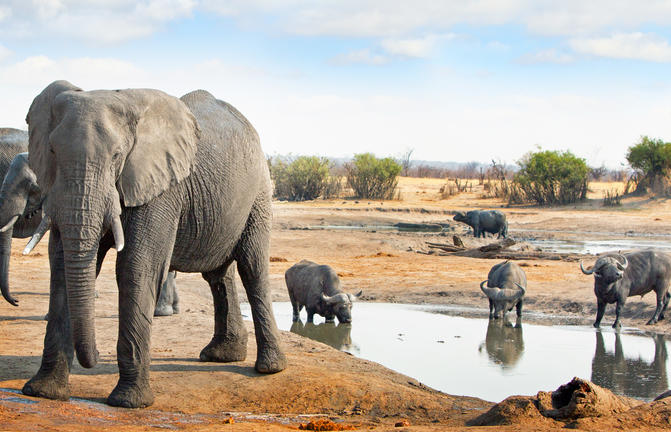
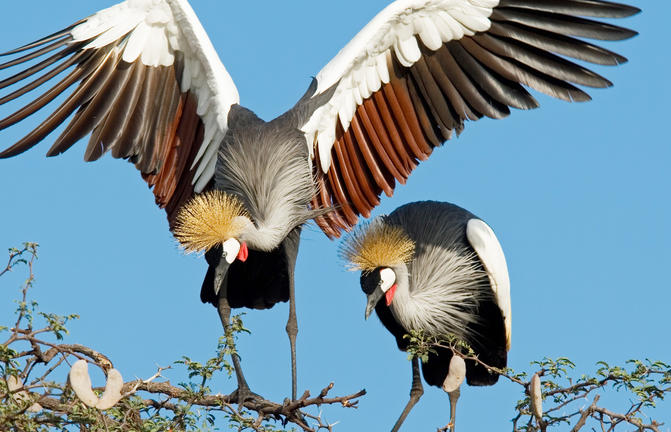
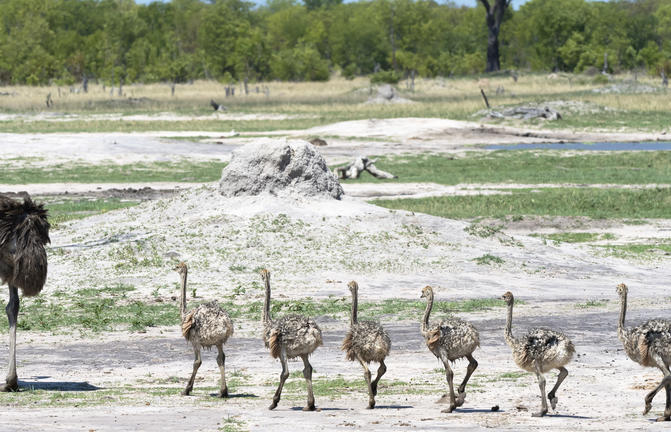
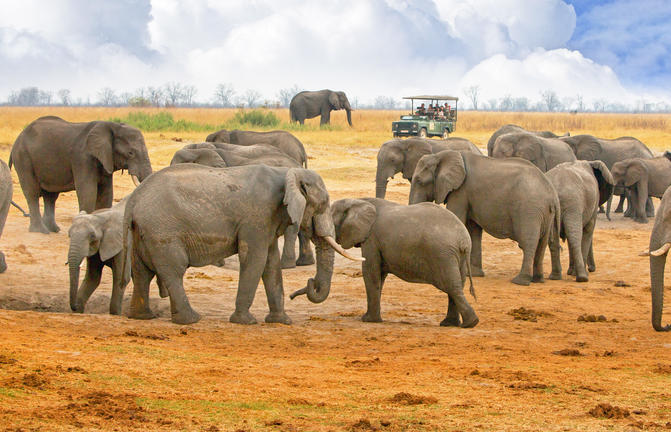


Located in western Zimbabwe, Hwange National Park (formerly Wankie Game Reserve) is the largest natural reserve in the country and is famous for its rich diversity of wildlife. The northern and western areas of the park are different - the northern area is encompassed by the Zambezi watershed, while the western part consists of grasslands, marshes, and scattered woodlands. The natural seeps such as Nehimba and Shakwanki, where animals dig for water, are particularly notable. The park is home to one of the biggest elephant populations in the world, as well as around 100 mammal species, and several protected animals including the endangered wild dog, critically endangered black rhino, and rare roan and sable. Around 500 bird species also inhabit the area. Visitors can look forward to bush hikes, game drives, and horse riding safaris.
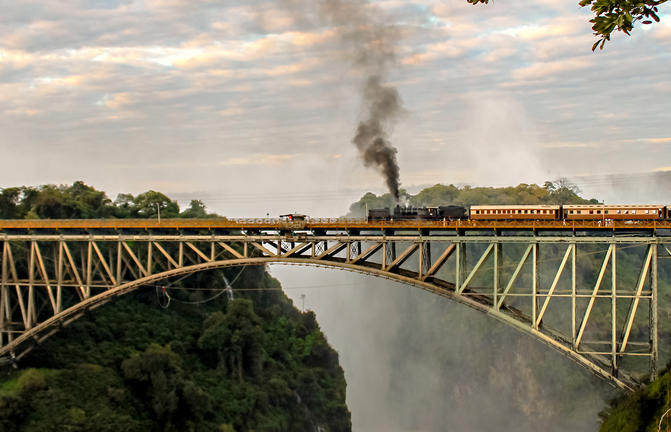
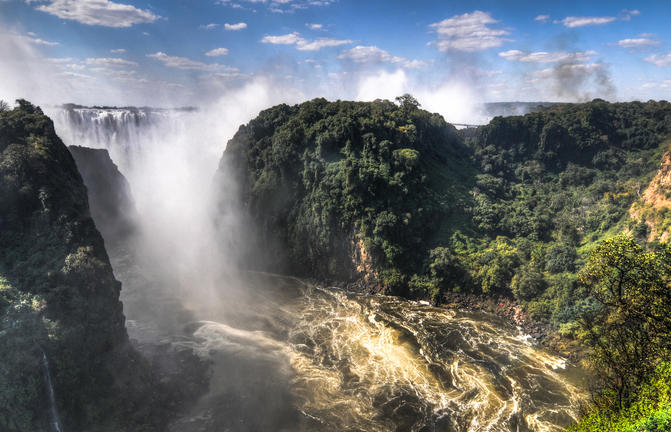
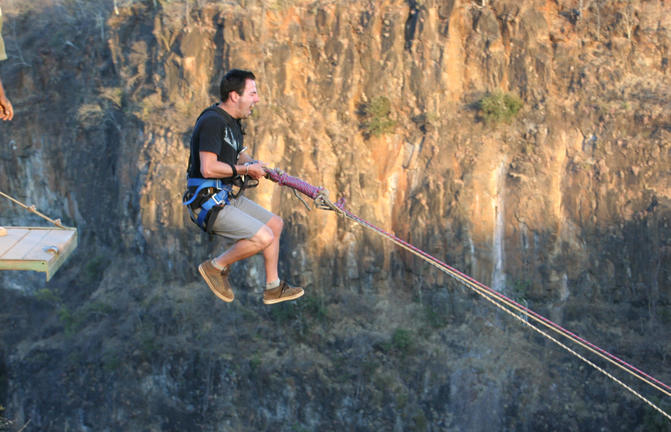
One of the original natural wonders of the world, the Victoria Falls is a World Heritage Site and an extremely popular tourism attraction. Known locally as ‘The Smoke that Thunders’ this spectacle is accessible from both Zambia and Zimbabwe and it is an ideal place to combine game viewing and water sports. There is excellent fishing, a terrifying bungee jump and arguably the best commercial white water rafting in the world.






Matusadona National Park is situated on the shores of Lake Kariba but was proclaimed a non-hunting area on 7 November 1958 before the dam was built. It became a Game Reserve in 1963, and in 1975, in terms of the Parks & Wildlife Act, it became a National Park. The Park comprises some 1 400 square kilometers of diverse flora and fauna. Before the lake was built, Matusadonha was a vast, rugged wilderness with limited access. With the lake came ecological changes. One in particular, the lakeshore contributed greatly to the increase of large mammal populations in the area, especially elephant and buffalo. The grass found on the shoreline is Panicum repens and is a rejuvenative grass - needing only fluctuating lake levels to replenish its nutrients. With this ready food source, buffalo, waterbuck, zebra, and even impala have thrived and with them the predators. Matusadonha is an Intensive Protection Zone (IPZ) and home to several relocated rhinoceros.
The life-giving power of the Zambezi River makes Mana Pools National Park one of Zimbabwe’s most lush and flourishing regions, designated as the country’s second World Heritage Site and known as one of the continent’s premier game-viewing regions. Canoe trips are offered year round and provide a unique and memorable way for visitors to experience the area’s striking scenic beauty and diverse fauna, while guided walks are a great way to take its pristine riverside forests.