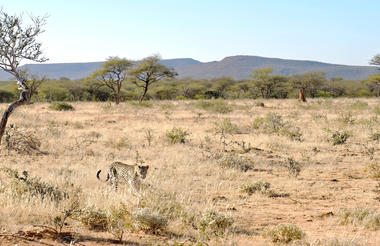
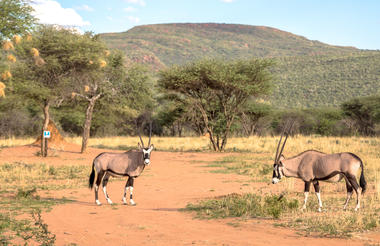
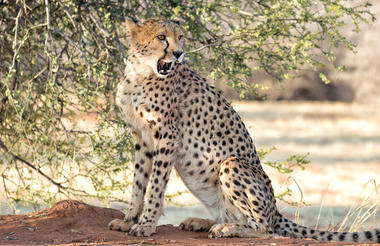
Spanning more than 172,000 hectares and encompassing several distinct desert ecosystems, the NamibRand Nature Reserve in southern Namibia is one of the largest private nature reserves in Southern Africa. Founded to conserve the unique ecosystem and biodiversity of the Namib Desert, the reserve's mix of dunes, mountains, rocky outcrops, sandy flats, and gravel plains provides habitats for a diversity of mammals, including hyenas, jackals, foxes, antelopes, and various wild cats. The reserve is also home to numerous bird species, reptiles, insects, and amphibians, alongside an array of plant species. Discover the mysterious fairy circles, enigmatic bare patches in the desert landscape whose origins remain the subject of scientific debate, or enjoy a night of sublime stargazing; as Africa's first International Dark Sky Reserve, it is one of the least light-polluted areas in the world.
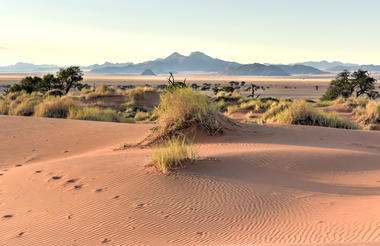
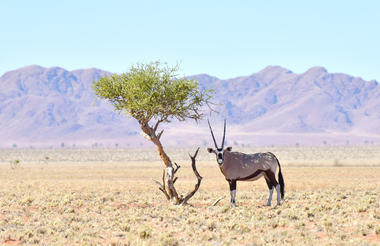
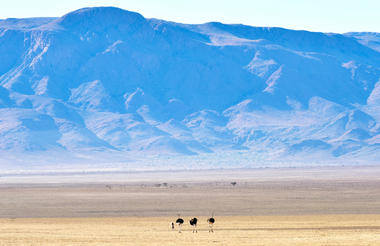
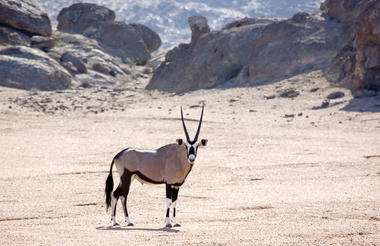
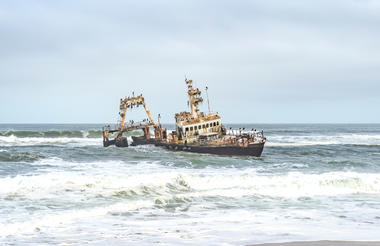
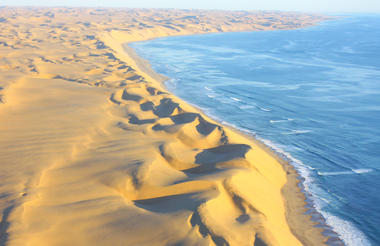
Stretching from the Swakop River to southern Angola, Namibia’s Skeleton Coast is known as the 'Land God Made in Anger'. Thousands of miles of sandy desert dotted with shipwrecks meet with the cold waters of the Atlantic, where ocean fog creeps over the shoreline. Somehow, an amazing array of wildlife and flora manages to survive in this harsh but beautiful environment. Animals living here include seabird colonies, Cape fur seals, zebras, gemsbok, desert-adapted elephants, lions, and many more. Surfing enthusiasts are drawn to the powerful crashing waves, and photographers flock from around the globe to snapshot the eerie shipwreck graveyards and breathtaking coastline.
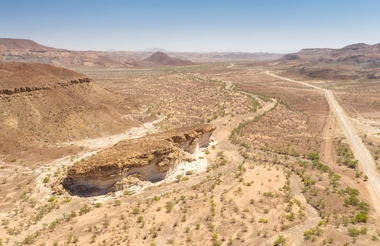
Bordering Angola in northern Namibia, Kunene is a region as well as the name of a river, which is one of just five perennial rivers in Namibia. The Kunene River is an invaluable source of water for the local Himba people, and it has been the mainstay of their existence for hundreds of years. For travellers, the river’s most striking feature is the magnificent Epupa Falls, which cascade over a distance of more than a kilometre downstream, with an impressive vertical drop of around 60 metres. Whitewater rafting and kayaking are both popular pursuits in these areas. Visitors can take sundowner cruises; explore sublime hiking routes; enjoy excellent bird watching opportunities; learn about local culture with a trip to a traditional Himba village; or go canoeing, kayaking, and game viewing.


Situated east of Etosha, bordering Fisher's Pan, Onguma Game Reserve is one of Namibia's best-kept secrets. The reserve offers visitors the opportunity to experience Africa in all her beauty and diversity. Onguma Game Reserve features over 35 480 hectares of protected land scattered with a variety of wildlife including plains game, black rhino, kudu, giraffe, zebra, lion, cheetah, leopard and more than 300 bird species. The seasonal rains attract thousands of migrating birds to the Fisher’s Pan wetland area. The neighbouring Etosha National Park is home to a rich array of wildlife, including 4 of the Big 5. Visitors can enjoy game drives, guided walks and rhino research drives within the private reserve as well as wildlife safaris into Etosha National Park to view abundant game in the largest national park in Namibia.


Situated between Namibia’s capital city of Windhoek and the renowned Etosha National Park, Okonjima Nature Reserve is a 22,000-hectare wilderness sanctuary celebrated for its conservation efforts and exceptional wildlife experiences. The reserve is home to the renowned AfriCAT Foundation, which focuses on the protection and rehabilitation of Namibia’s carnivores, particularly leopards, cheetahs, and other threatened species. Set against a backdrop of rolling plains, rocky outcrops, and acacia woodland, Okonjima offers visitors the opportunity to gain unique insight into conservation initiatives while enjoying outstanding game viewing. Activities include guided carnivore tracking excursions, leopard-spotting safaris, off-road night drives, birdwatching, and cultural experiences along the Bushmen Trail. Accommodation ranges from luxury lodges and private villas to intimate bush camps, providing a memorable base from which to explore this remarkable reserve.