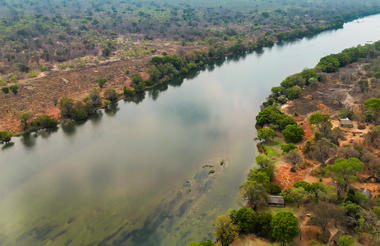
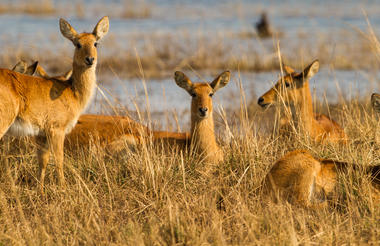
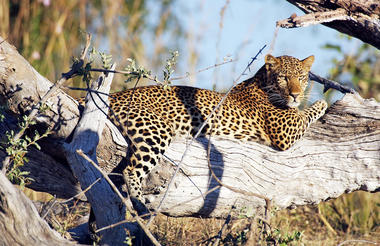
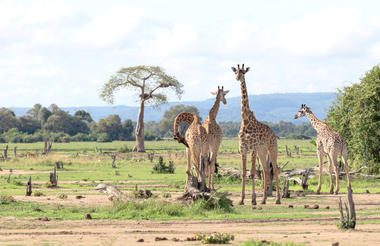
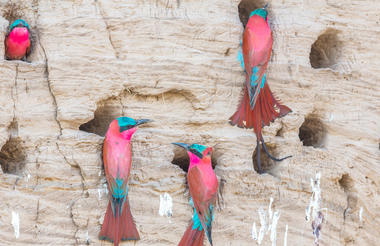
Bordering the Luangwa River in eastern Zambia, South Luangwa National Park is one of Africa’s most celebrated wildlife destinations, renowned for its unspoilt wilderness, exceptional biodiversity, and successful conservation efforts. The park supports thriving populations of elephant, lion, leopard, buffalo, hippo, giraffe, and numerous antelope species, along with more than 400 bird species. Widely regarded as the birthplace of the walking safari, South Luangwa offers visitors the rare opportunity to explore the bush on foot under the guidance of experienced armed guides, providing an intimate perspective of the surrounding wildlife and ecosystems. Traditional game drives, seasonal boating, and outstanding opportunities for photography and birdwatching further enhance the experience. Combined with the scenic Luangwa River, the park delivers one of Africa’s most authentic and unforgettable safari adventures.
As previously described
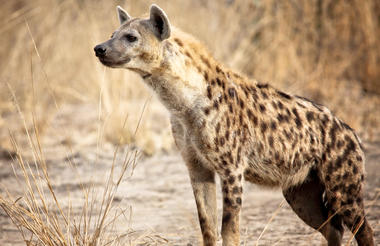
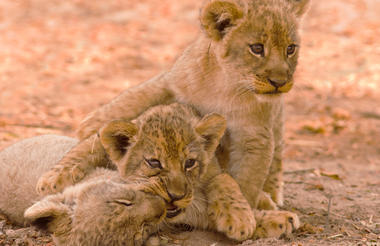
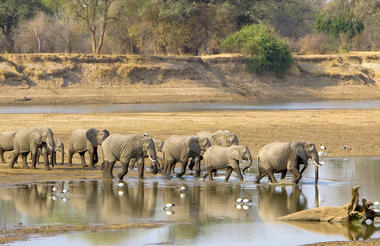
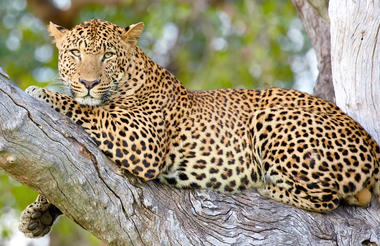
Located in northern Zambia, North Luangwa National Park is one of Africa’s most remote and unspoilt wilderness areas. Famous for its world-class walking safaris, the park offers a rare opportunity to explore the African bush on foot alongside experienced guides and rangers. North Luangwa supports a remarkable diversity of wildlife, including buffalo, lion, leopard, hyena, elephant, zebra, wildebeest, bushbuck, warthog, baboon, puku, hartebeest, reedbuck and eland. The park’s rugged terrain, scenic river valleys and open plains create spectacular settings for wildlife viewing and photography. With its low visitor numbers, pristine landscapes and strong conservation focus, North Luangwa provides an authentic safari experience that feels truly wild, making it a rewarding destination for anyone seeking adventure, wildlife encounters and a deeper connection with nature.


Based on the banks of the Kafue River, deep within Kafue National Park, Musekese's landscape shifts between miombo woodlands and open plains, and waterways, creating a environment that support a wide range of wildlife. Elephant herds are frequently seen during the dry season, while plains game such as sable, hartebeest, zebra, and large numbers of puku are common across the grasslands. Birding is particularly rewarding, with hundreds of species recorded in the area. A permanent, water-fed lagoon—locally called a dambo—draws wildlife throughout the year. Canoe safaris offer a quiet way to explore river channels rich in birds and hippos. Game drives and walking safaris help visitors explore further. A visit to the Musekese Conservation NGO Research Centre provides insight into ongoing efforts to protect the area.