At the foot of Mount Meru, whose volcanic cone dominates the northern skyline, Arusha is the administrative capital of the Arusha Region and the principal gateway to northern Tanzania's renowned safari circuit. Alongside its thriving tourism industry, the bustling city is a leading centre for business, diplomacy and international conferences in East Africa, hosting regional institutions and major political, commercial and conservation events throughout the year. German colonial buildings, modern offices and lively markets reflect Arusha's evolution from a colonial outpost into northern Tanzania's commercial hub, while cafés, hotels, craft centres and galleries contribute to its cosmopolitan atmosphere. Less than an hour from the city, Arusha National Park offers game drives and canoeing on the Momella Lakes beneath Mount Meru, while nearby coffee estates and cultural experiences introduce visitors to the region beyond the safari circuit.


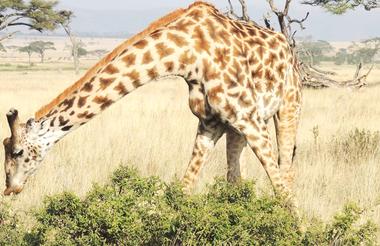
Set on the southern edge of the Serengeti and west of the Ngorongoro Crater Conservation Area border, Mwiba Wildlife Reserve is covered with rolling hills, thickets, rock kopjes, and interspersed by seasonal rivers containing permanent water holes and more than 20 natural springs. The undulating nature of the site delivers a colour-infused landscape that is home to thriving wildlife populations such as lions, leopards, cheetahs, elephants, giraffes, zebras, wildebeests, buffalos, hyenas, among others. Over thirty freshwater springs provide water for these animals throughout the year. Visitors can enjoy walking safaris, picnic breakfasts, game drives, bush cuisine and rejuvenating sundowners at Mwiba Lodge - arguably the most luxurious lodge in the greater southern Serengeti migration area.


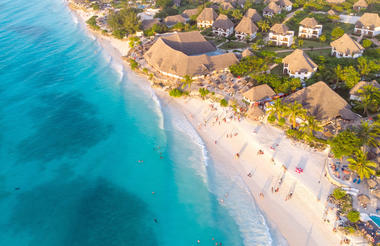
Situated on the northern tip of Zanzibar in the Zanzibar Archipelago, this lively coastal village is one of the island’s most popular beach destinations. Fringed by soft white sand and the clear turquoise waters of the Indian Ocean, Nungwi blends traditional fishing culture with a well-developed beach scene. Visitors can watch wooden dhows being handcrafted, join snorkelling or diving trips to nearby coral reefs, or take boat excursions across luminous waters that often glow at sunset. Unlike parts of Zanzibar’s east coast, swimming is possible throughout the tidal cycle, making it a reliable beach destination year-round. The atmosphere is vibrant, with beach bars, seafood grills and music drifting on the warm sea breeze, though it can feel busy in peak seasons. Nungwi offers a vivid mix of relaxation, culture and coastal energy.