Since reopening to tourists in the early 1990s, Cambodia has captivated visitors from around the globe with its rich cultural heritage, warm and welcoming people, and extraordinary natural wonders. Phnom Penh, the nation’s vibrant capital, pulses with energy, offering world-class dining, lively markets, and a spirited nightlife. Yet the country’s true treasures lie beyond the city: the sleepy, French-influenced town of Kampot enchants with its riverside promenade, colonial villas, and charming cafés; the lush, jungle-clad Cardamom Mountains reveal spectacular waterfalls and pristine wilderness; and, of course, the majestic Angkor Wat complex stands as the world’s largest and most breathtaking religious monument. Cambodia seamlessly caters to every traveller, whether seeking exhilarating jungle adventures, serene golden-sand beaches, luxurious resorts, or a journey through its tantalising local cuisine. With its blend of history, nature, and culture, Cambodia remains a destination of endless discovery and wonder.
Best known as the gateway to the awe-inspiring Angkor Wat temple complex, Siem Reap is a charming town blending French colonial and Chinese architectural influences with a relaxed, welcoming atmosphere. Its crown jewel, the Angkor complex, spans an area larger than Paris and is a labyrinth of intricately carved temples adorned with dancing apsaras, lotus motifs, and five-headed naga (serpent deities). Abandoned for centuries and rediscovered in 1860 by French explorer Henri Mahout, it has since become Cambodia’s cultural and historical highlight. Beyond the temples, Siem Reap offers a vibrant arts and crafts scene, immersive cultural villages that showcase traditional rural life, and a bird sanctuary on the town’s outskirts, providing visitors with a rich mix of heritage, nature, and local culture.


Wedged between a number of larger neighbouring countries, Laos is often overlooked in favour of tourism giants such as Thailand and Vietnam. But these travellers are missing out on an extraordinarily scenic and culturally rich destination. Laos boasts a reputation as the least visited, least Westernised, and most untouched of all Indochinese nations. Only time will tell how long this will last, but while it does, visitors who choose to explore this nation’s remote areas will be richly rewarded. Laos’ primary drawcard is undoubtedly the mighty Mekong River which traverses the length of the country and is considered the second most biodiverse river in the world. In the north, the landscape is characterised by little-explored jungle-clad mountainous areas where visitors can witness the intriguing cultures of the various hill tribes that populate this region. Travellers on the hunt for cultural interest should head for the bustling capital of Vientiane, with its innumerable temples and Buddhist monuments. It is this variety of exotic wildlife, remote wilderness and remarkable cultural treasures that make Laos a truly unique and unforgettable holiday destination.
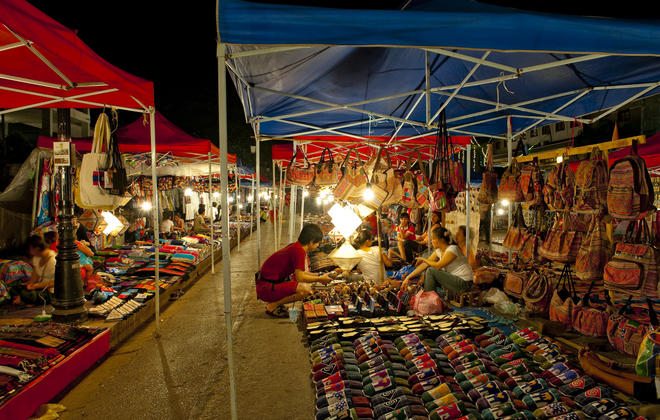
Luang Prabang is a historic town in northern Laos, set at the confluence of the Mekong and Nam Khan rivers and surrounded by forested mountains. A UNESCO World Heritage-listed destination, it is renowned for its well-preserved Buddhist temples, French colonial architecture and relaxed riverside atmosphere. Travellers can explore ornate monasteries, climb Mount Phousi for panoramic views, and visit the Kuang Si waterfalls, where turquoise pools cascade through lush jungle. Early risers can witness the traditional alms-giving ceremony, while the lively night market offers local handicrafts and Lao cuisine. With its blend of spiritual heritage, natural beauty and unhurried pace, Luang Prabang provides a distinctive introduction to Laos and is particularly appealing to travellers seeking culture, scenery and authentic local experiences.