


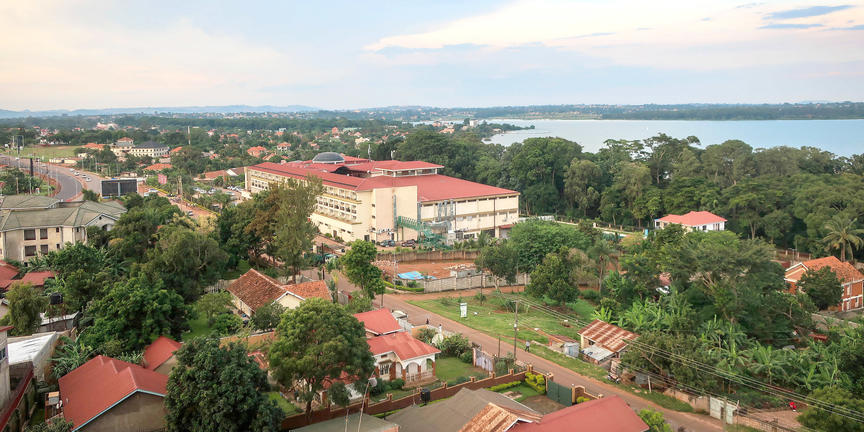
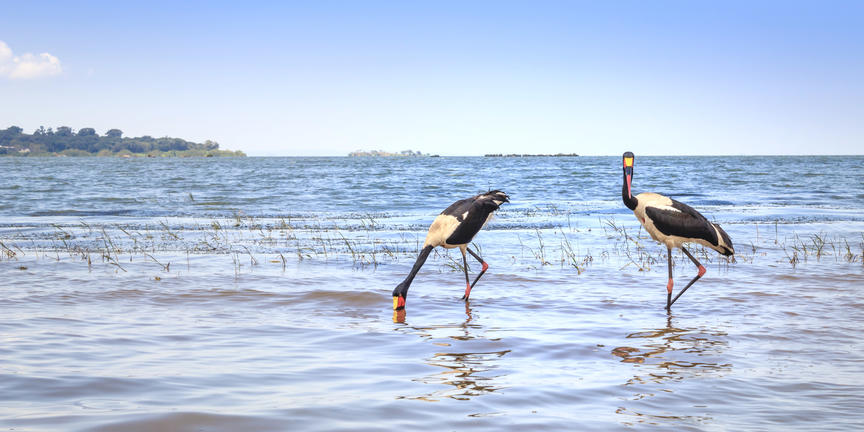
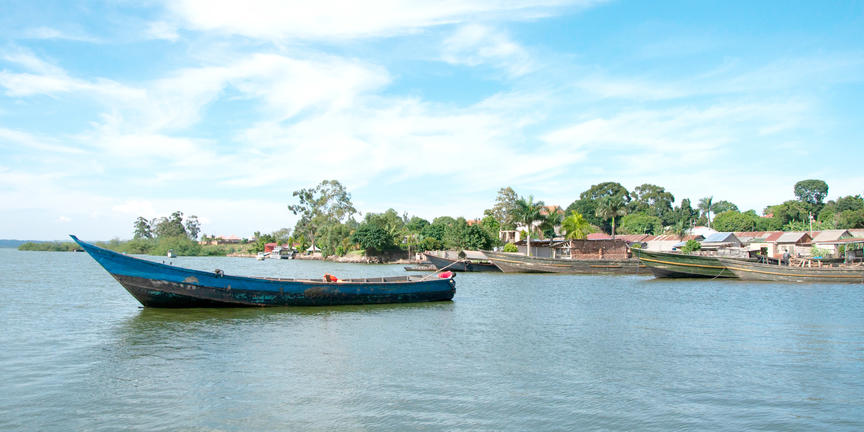
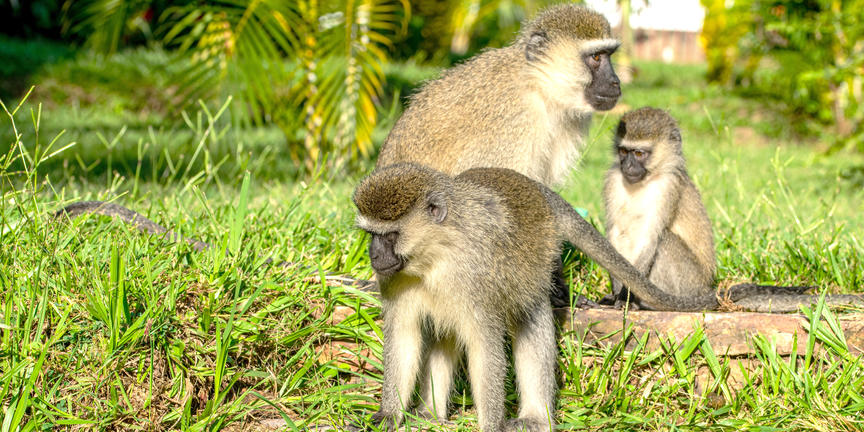
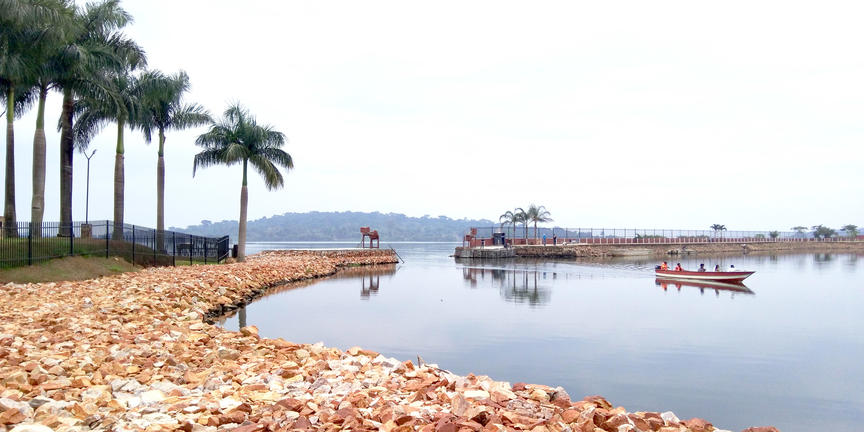
Entebbe sits on a peninsula along the northern shores of Lake Victoria in central Uganda, offering a calm, green retreat within easy reach of the country’s main international airport. Its character is defined by palm-lined roads, botanical gardens and a relaxed lakeside atmosphere that feels far removed from the pace of larger cities. Visitors can cruise across Africa’s largest lake, spot rare shoebills in nearby wetlands, or explore wildlife conservation centres that provide insight into Uganda’s remarkable biodiversity. The sight of fishing boats drifting across sunlit waters, the rustle of lakeside trees and the calls of colourful birds create a soothing backdrop throughout the day. Entebbe is not a bustling urban destination; its appeal lies in nature, tranquillity and unhurried exploration.
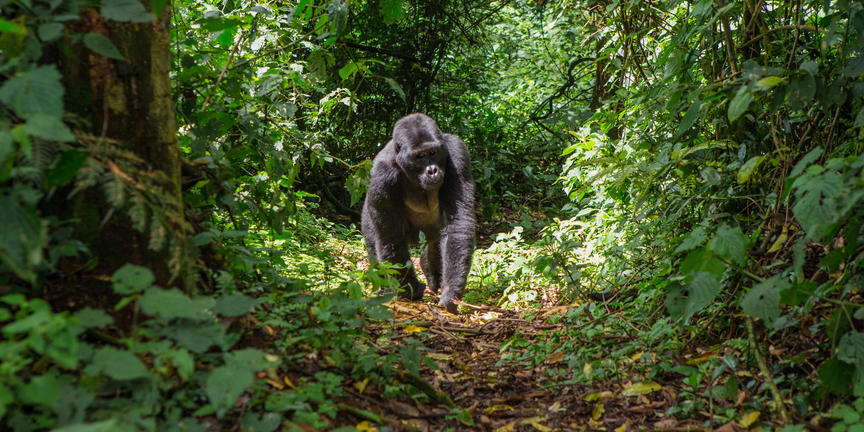
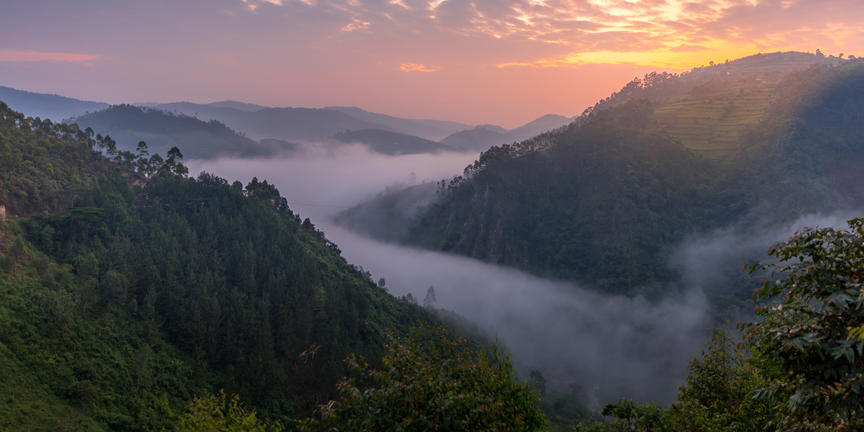
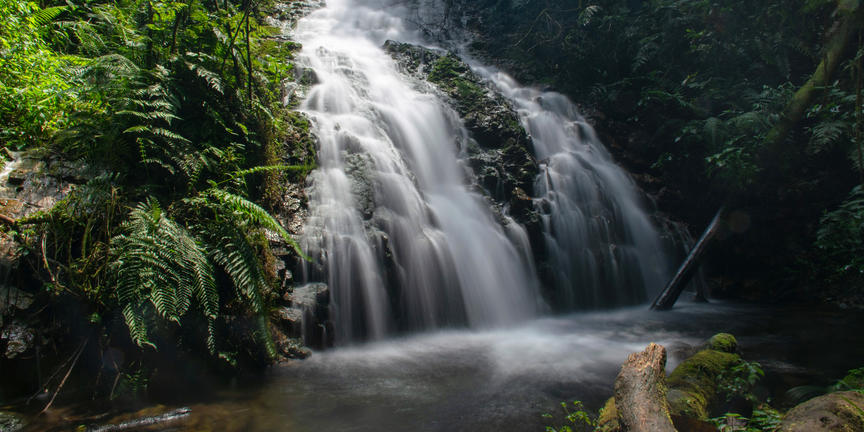
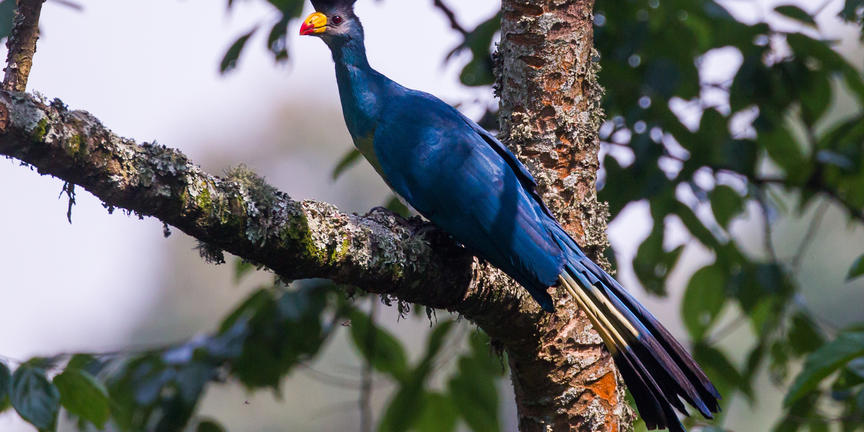
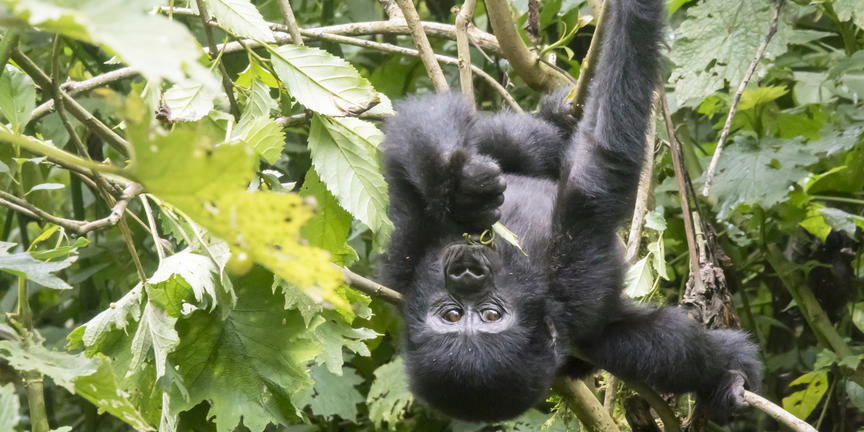
Located in southwestern Uganda, the Bwindi Impenetrable National Park is said to be Africa’s oldest rainforest. It is world-renowned for its excellent gorilla-sighting opportunities - the forest is home to half of the remaining mountain gorillas on earth. This gorilla experience takes place among a rugged landscape of dense jungle, cascading waterfalls, sparkling mountain streams, deep valleys, and steep ridges. The untouched forest has been declared a UNESCO World Heritage Site for its breathtaking natural beauty and unique ecological significance. Aside from the amazing gorilla interactions, there are other drawcards such as a network of forest walks, over 340 species of bird to spot, and a variety of brightly-coloured butterflies to identify.

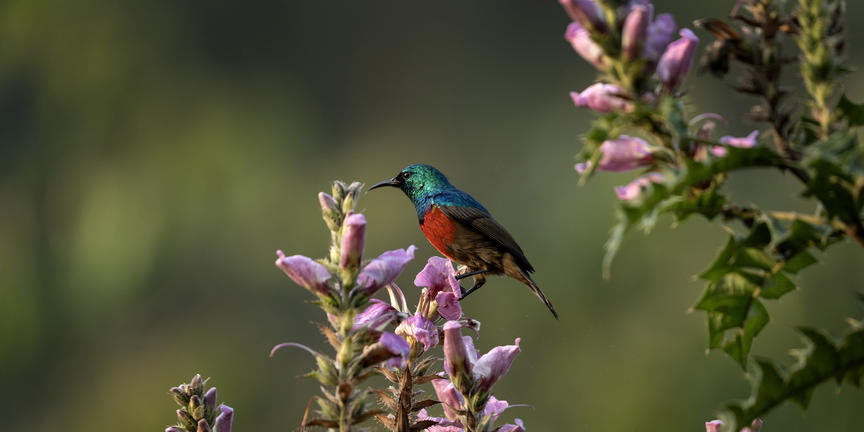
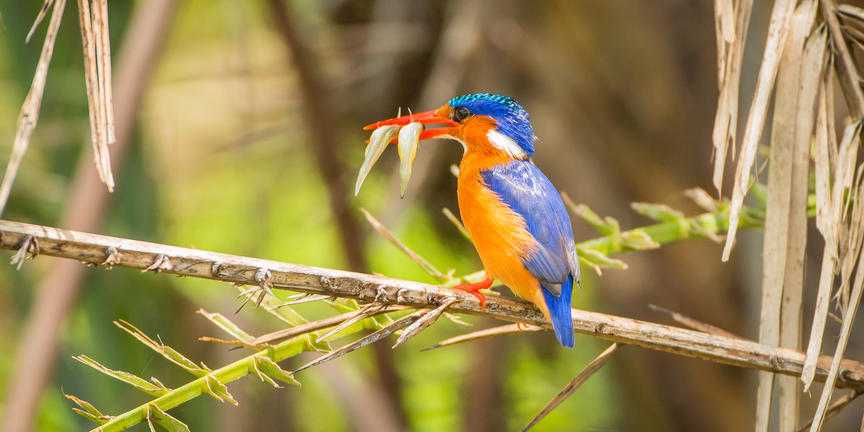
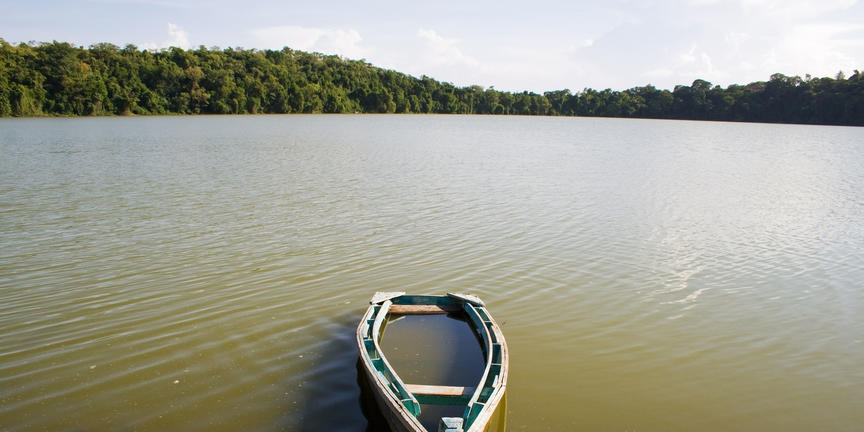
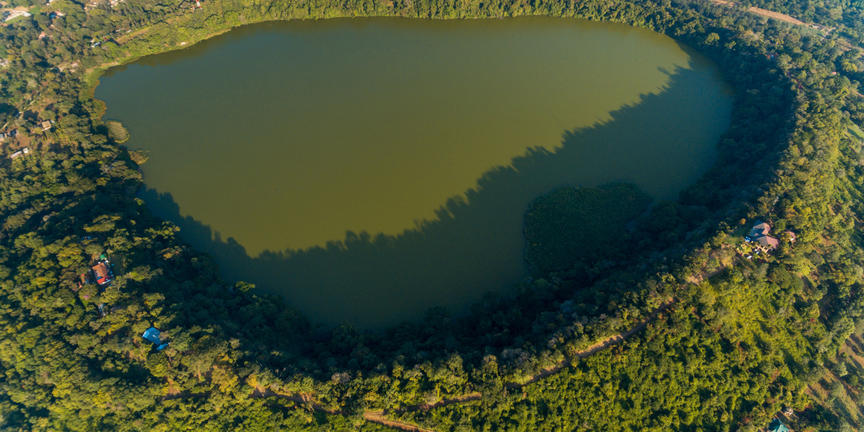
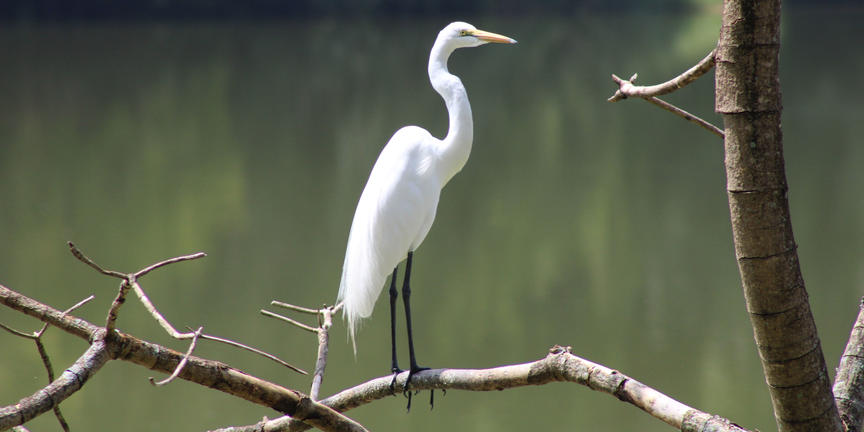
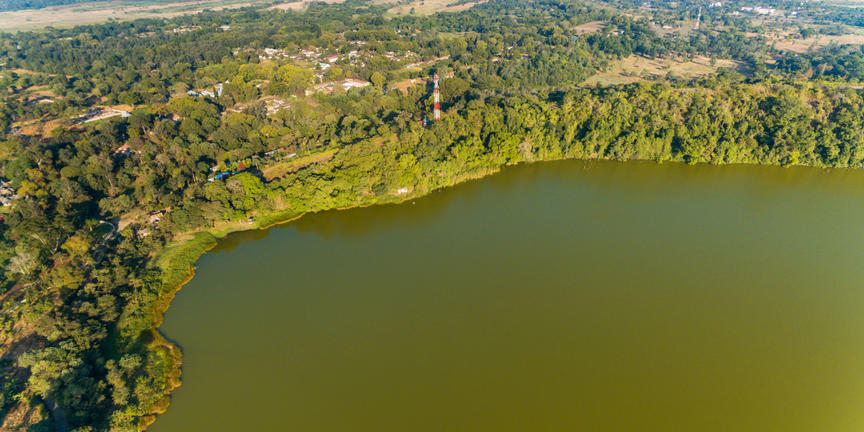
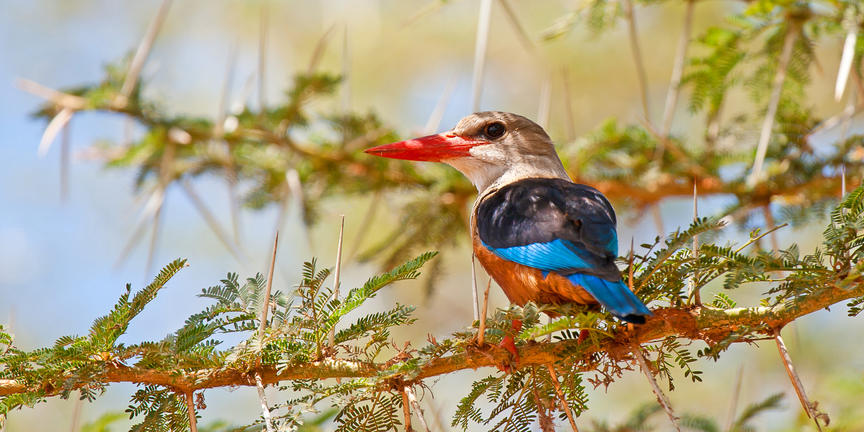
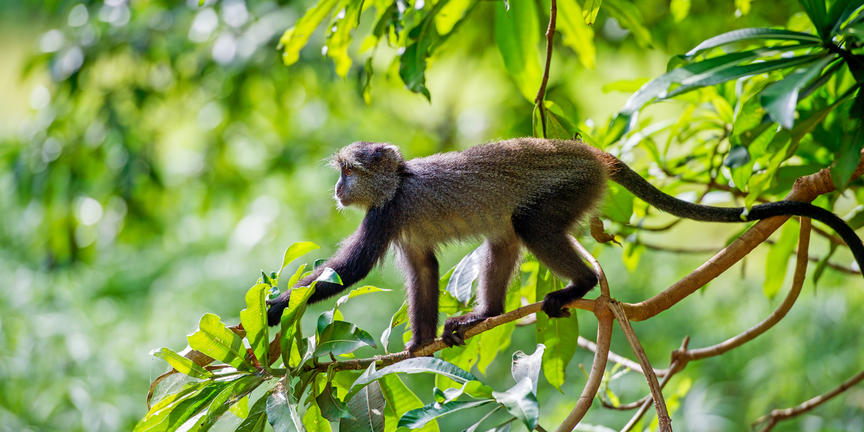
A forest-fringed volcanic crater lake near Tengeru, Lake Duluti lies around 14 km from Arusha in northern Tanzania. Its green waters are surrounded by dense woodland, home to blue monkeys, lizards and a variety of birds, including grey herons, fish eagles and kingfishers. Mount Meru towers above the surrounding countryside, adding to the lake's dramatic setting. Visitors can explore the water by canoe, follow trails through the forest or go birdwatching in the Lake Duluti Forest Reserve. The lake makes for an accessible nature excursion from Arusha, with opportunities to observe local wildlife and explore the area's forest habitat.
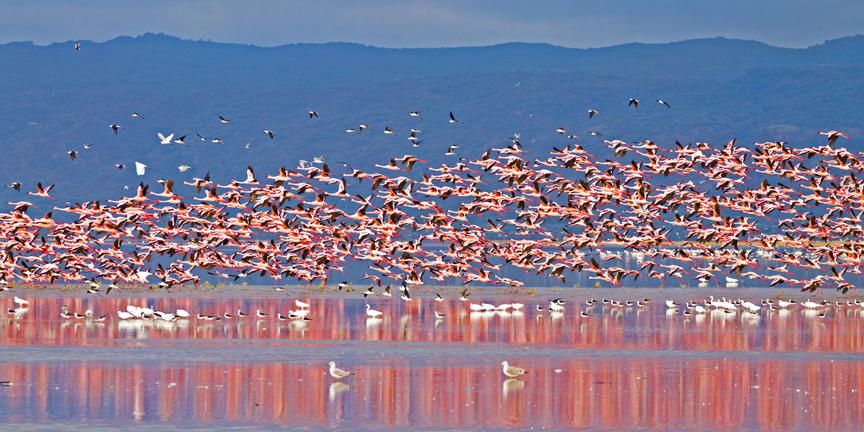
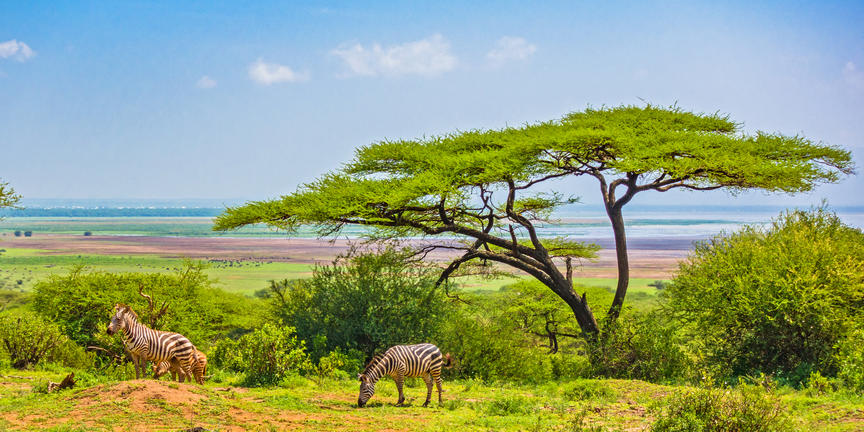
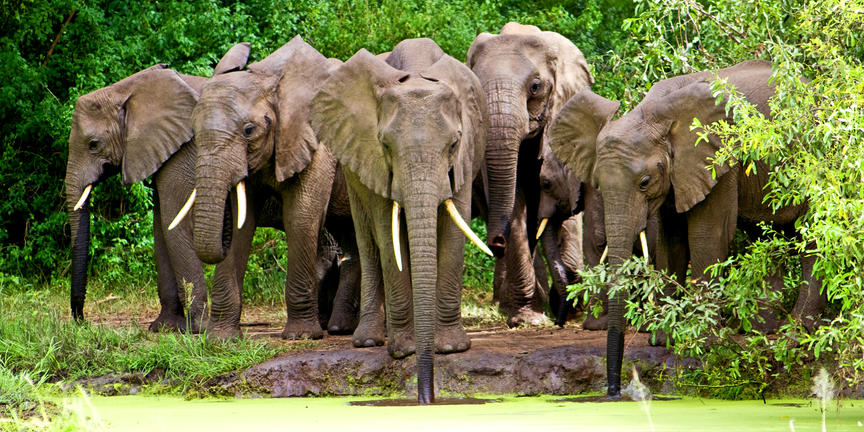
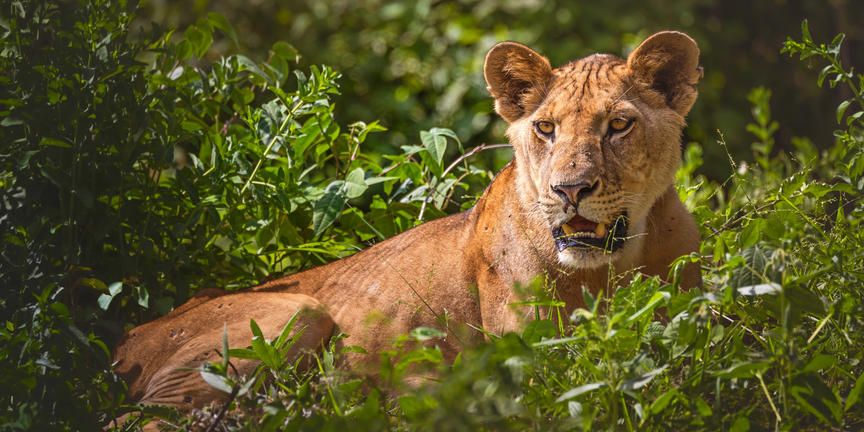
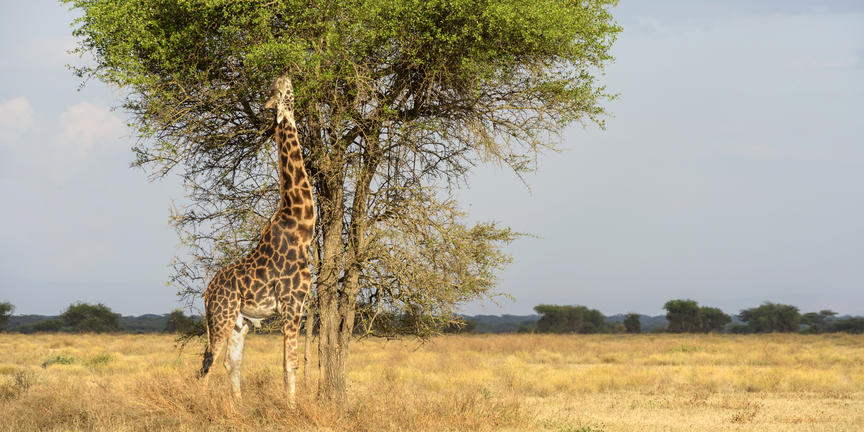
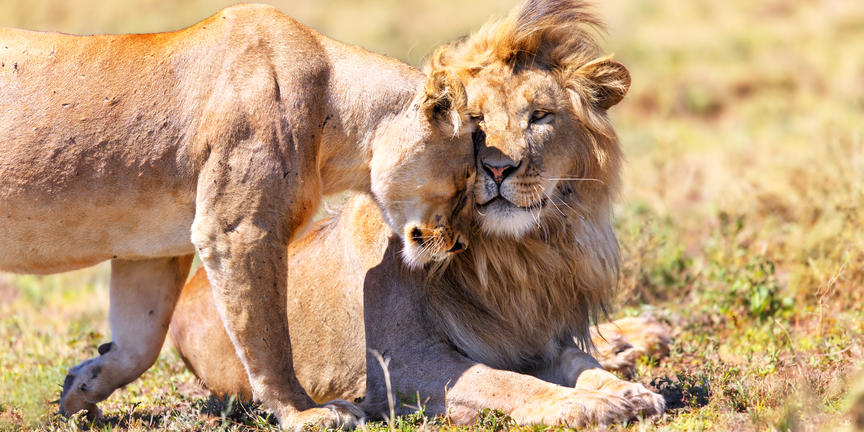
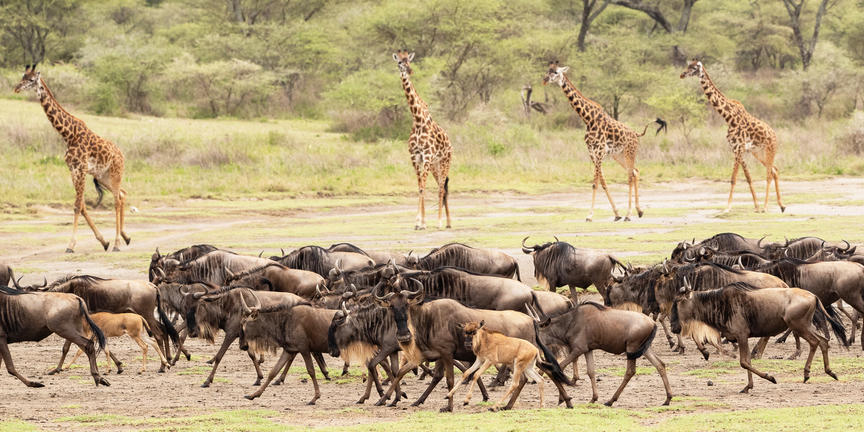
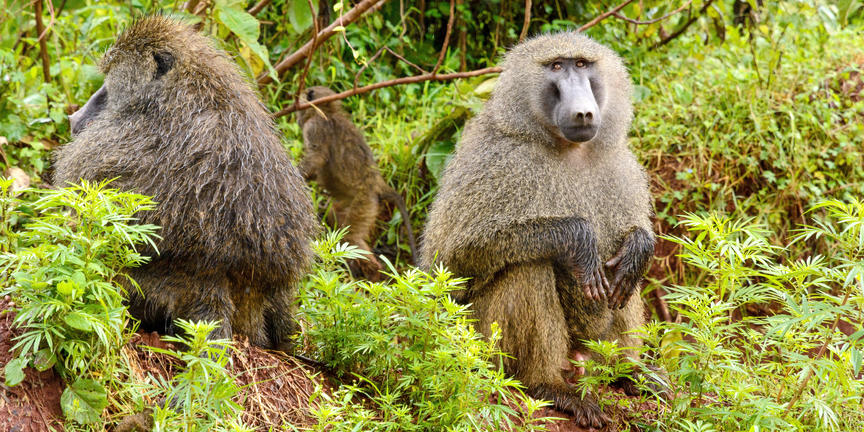
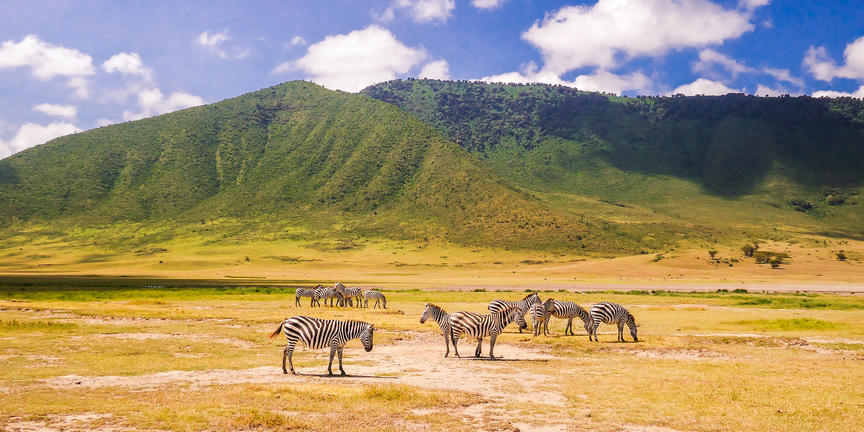
Situated in Tanzania’s central-northern region with the Lake Manyara to its east and the Manyara Escarpment to its west, the Lake Manyara National Park offers breathtaking views and a large variety of habitats supporting an array of wildlife. This small park is home to surprising biodiversity and features a magnificent landscape of acacia woodlands, forests, baobab strewn cliffs, algae-streaked hot springs, swamps and the lake itself. The park supports over 400 species of bird and the largest concentration of baboons anywhere in the world. Other species to spot include giraffes, zebras, wildebeest, impala, waterbuck, warthog, the Cape clawless otter, and the Egyptian mongoose. Don’t miss the opportunity to see thousands of flamingos on the lake, the renowned tree-climbing lions, and large families of elephants strolling through the forest.
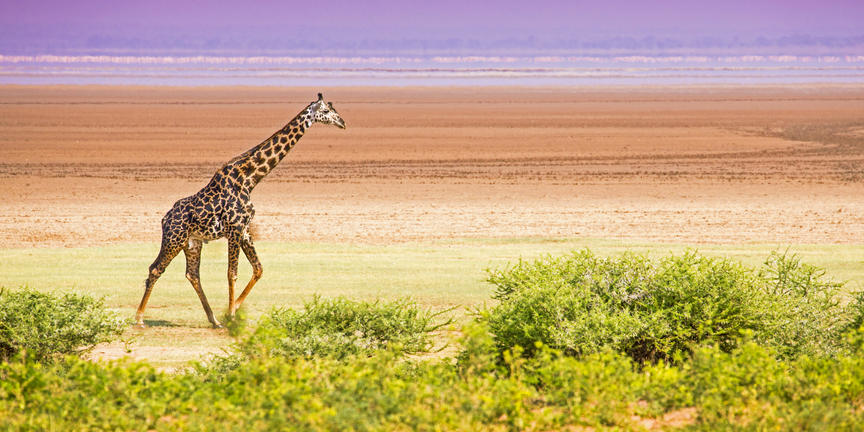
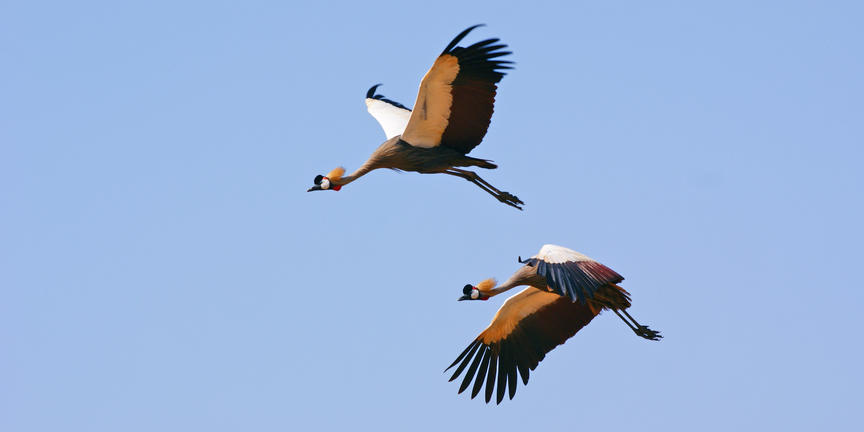
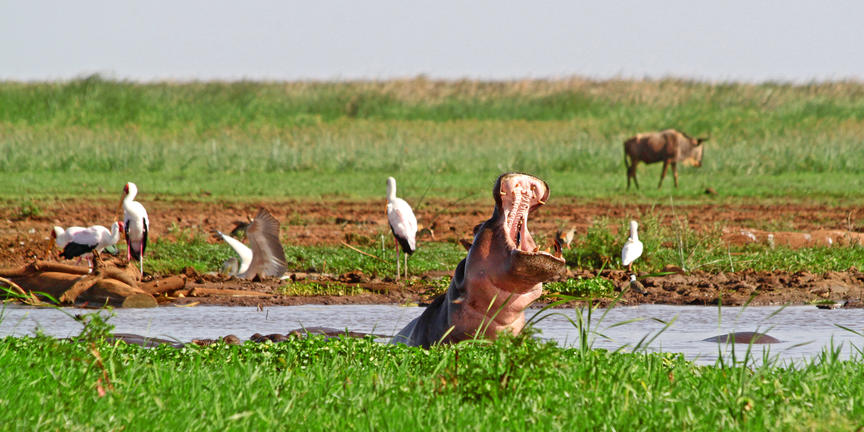
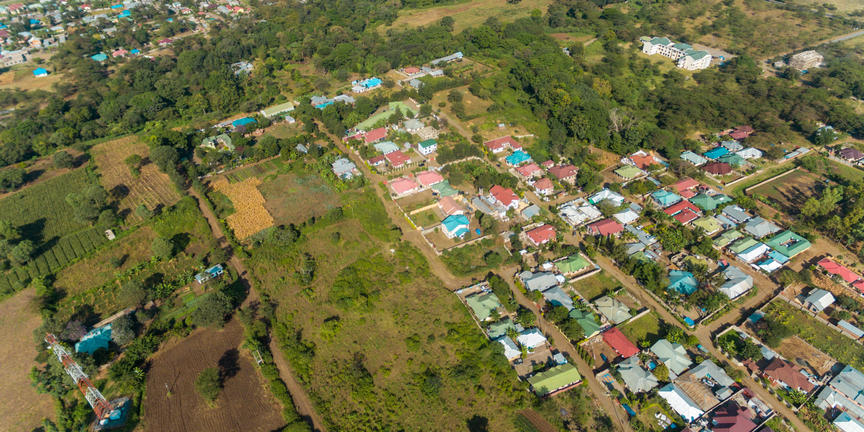
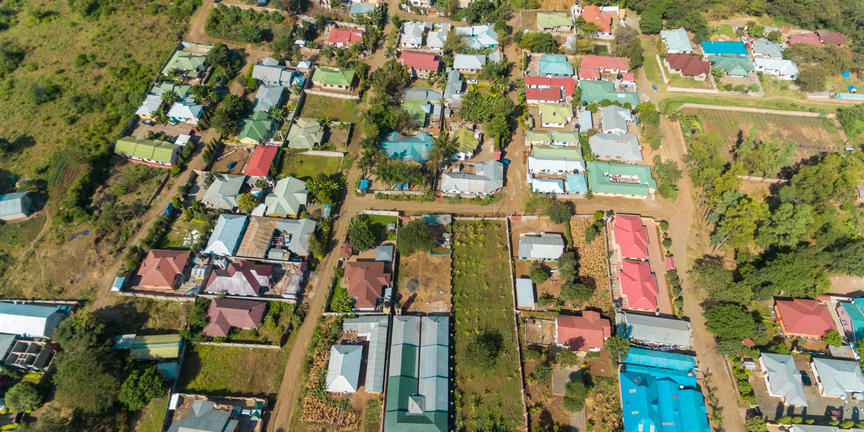
Located in Tanzania’s scenic northern highlands, Karatu is a small, colourful town surrounded by rolling green hills and fertile farmland. Travellers heading for the Serengeti National Park and Ngorongoro Crater often pass through Karatu, which lies beneath the towering Ol Deani Volcano. The town serves as a popular overnight stop for visitors exploring the region’s many game parks. Karatu offers a variety of activities, including browsing bustling local markets, sampling beer at a local brewery, visiting traditional homesteads, or taking guided walks through the Ngorongoro Forest in search of waterfalls and caves. Whether seeking cultural experiences, hiking and biking opportunities, or simply a relaxing break between safari drives, visitors will find plenty to enjoy in this welcoming town.
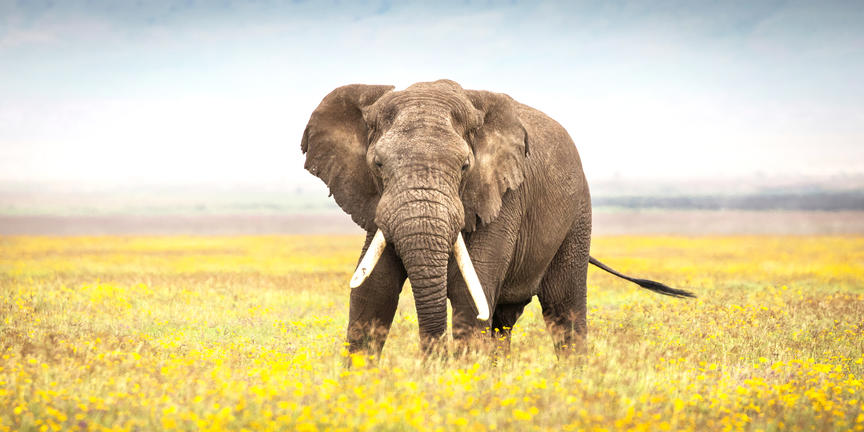
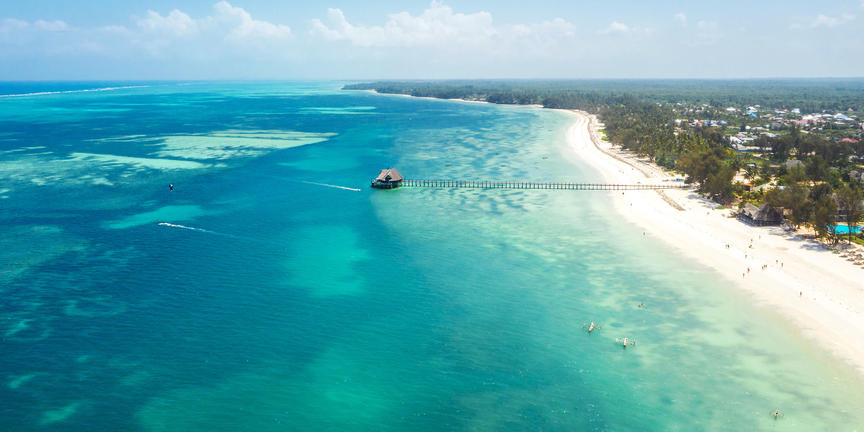
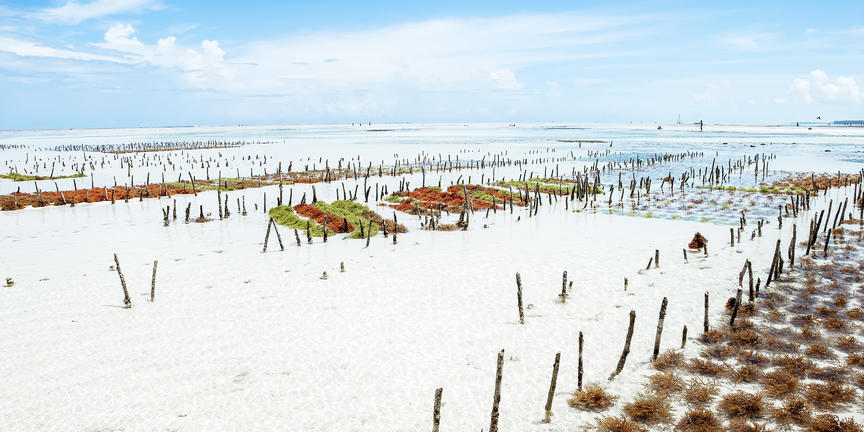
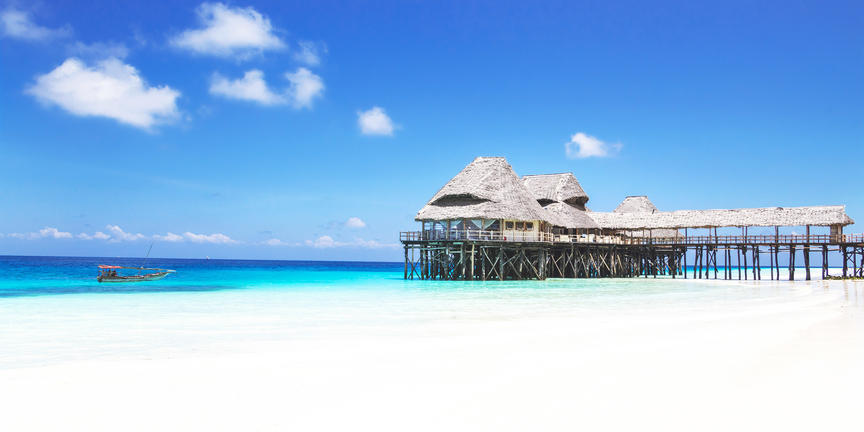
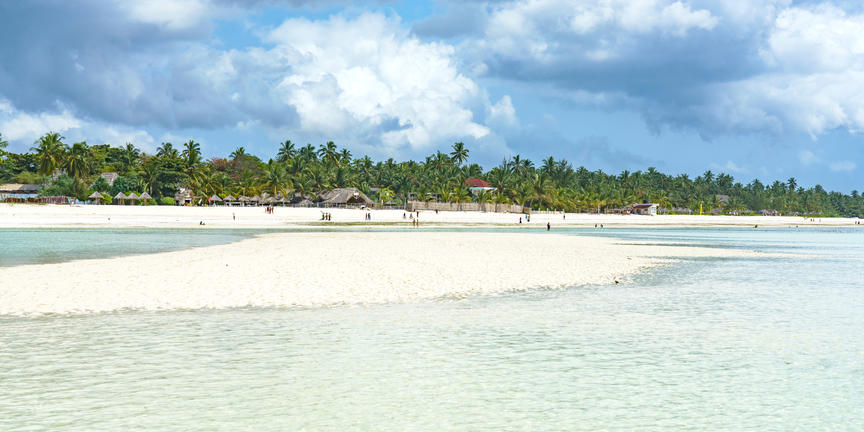
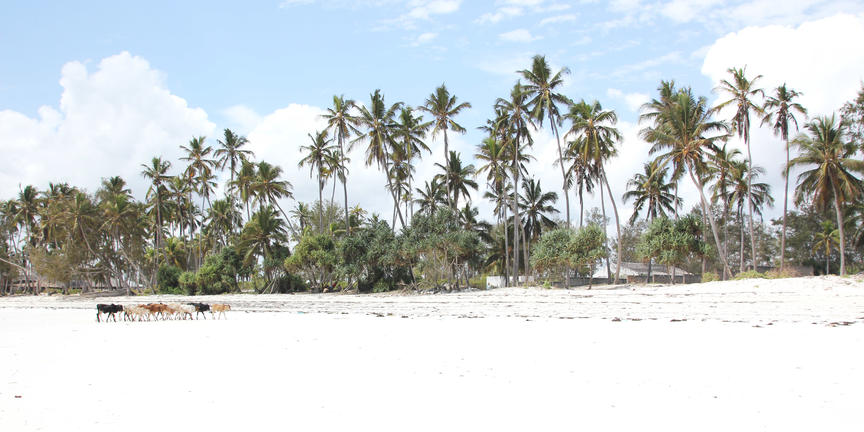
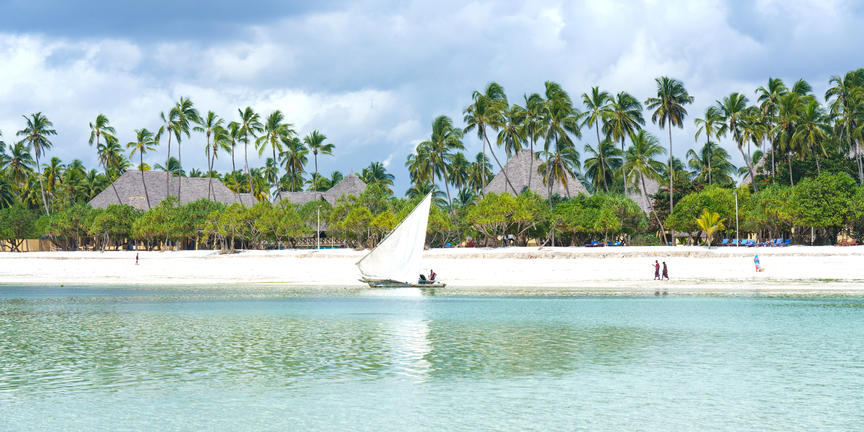
Situated on the spectacular northeastern coast of Tanzania’s Unguja island, between the quaint coastal villages of Pwani Mchangani and Pongwe, Kiwengwa is best known for its scenic beach of glittering white sands, lapped by azure crystalline waters. Visitors can explore the local village, and enjoy a host of water-based activities including snorkelling, diving, kitesurfing, and boating. Sample the local flavours of Zanzibar’s unique cuisine, sip on a delicious cocktail at a beachfront bar, and discover the fascinating underwater wonderland that lies offshore. Visitors should be able to spot turtles, starfish, octopuses and seahorses quite easily. Animal lovers will also delight in the chance to visit the nearby Cheetah Rock Conservation Centre, which protects lions, zebras, and many other rescued animals.
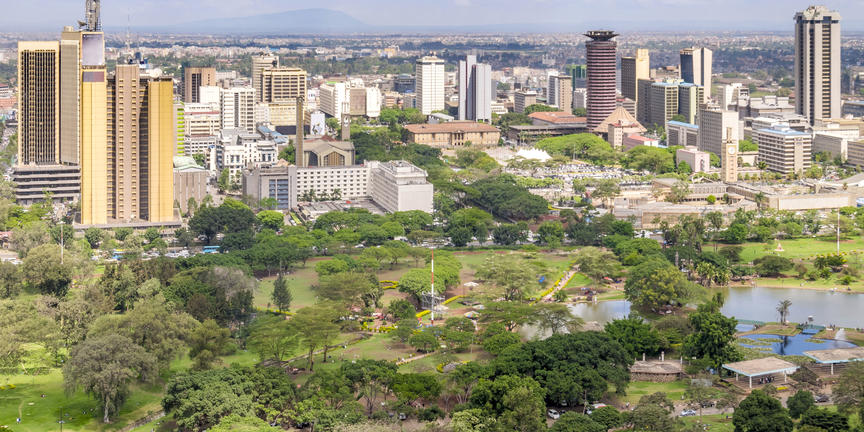
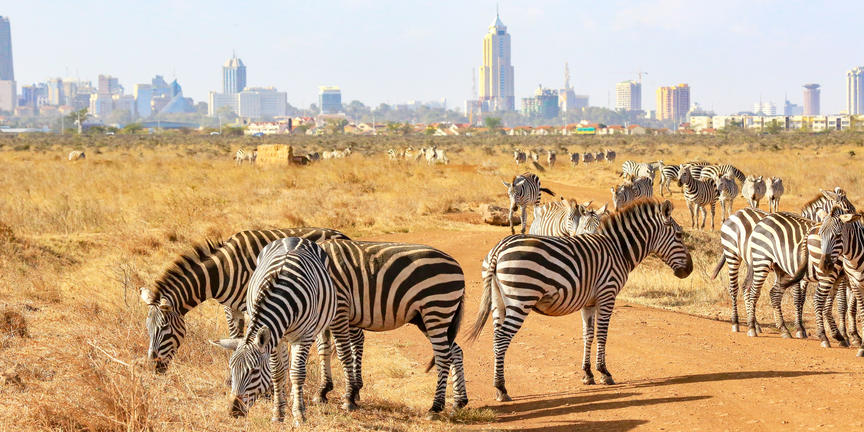
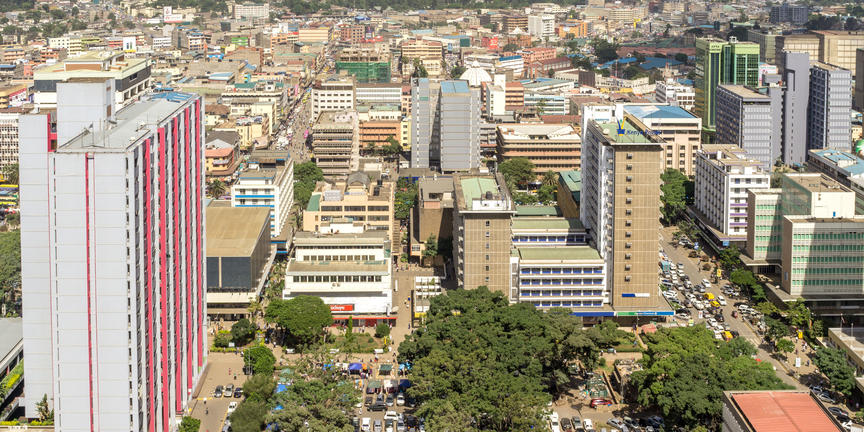
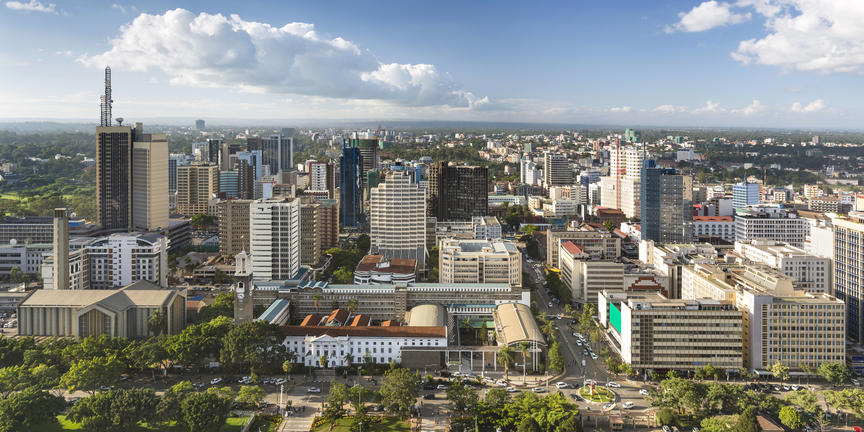
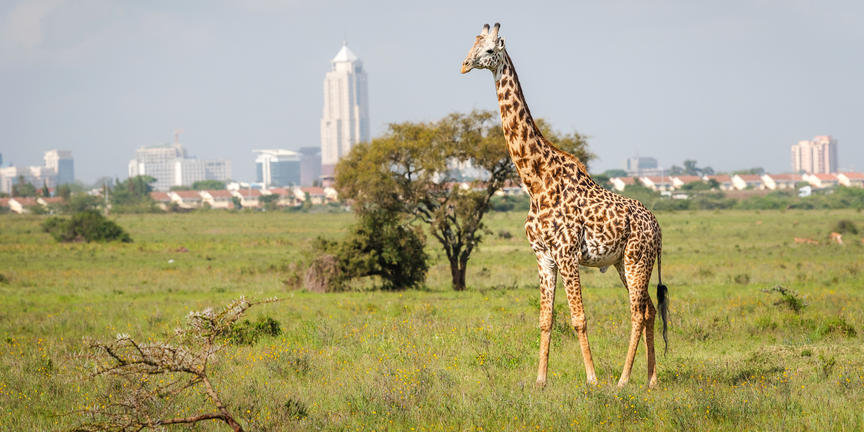
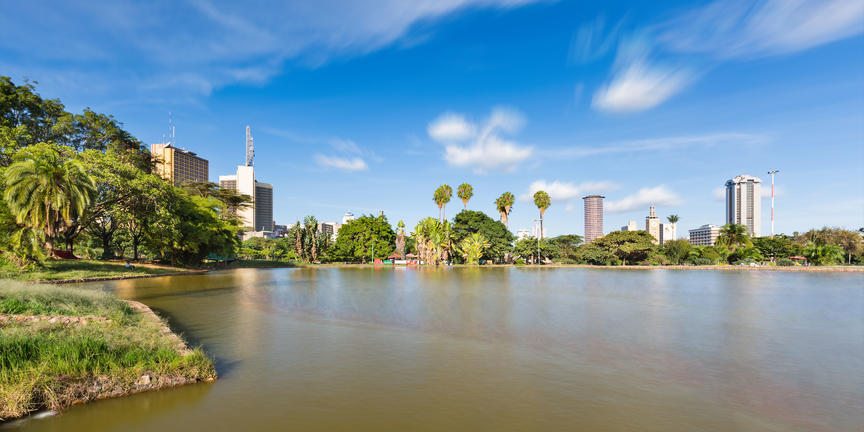
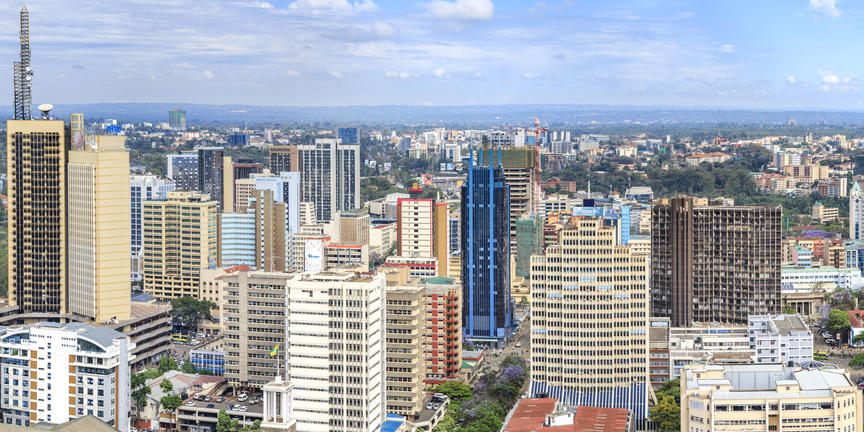
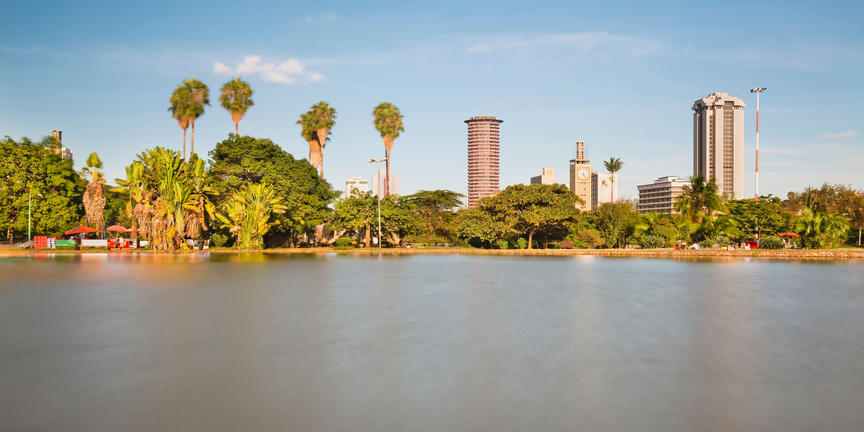
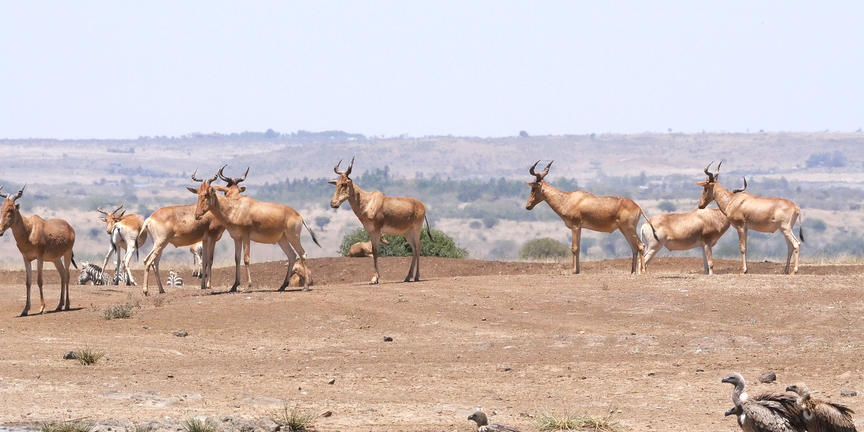
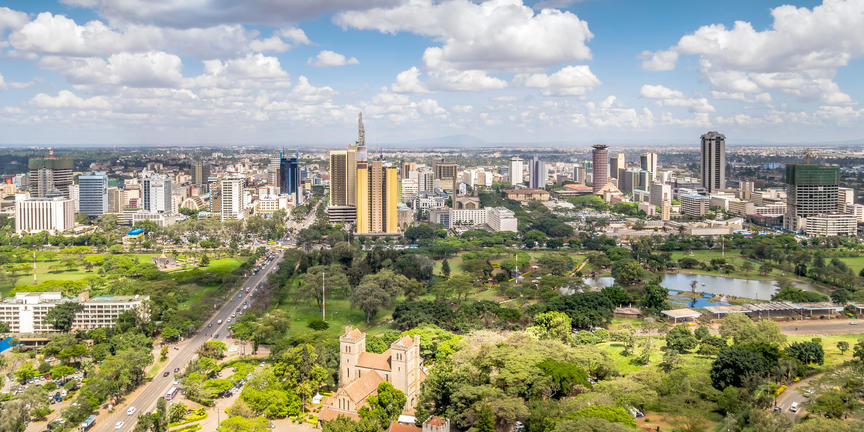
Widely regarded as one of East Africa’s most dynamic and cosmopolitan cities, Nairobi sits along the Nairobi River and serves as Kenya’s capital and largest urban centre, acting as a major gateway for safari travel across the country. The city features a growing café culture, active nightlife, and cultural landmarks such as the National Museum of Kenya and the Karen Blixen Museum. Just outside the city centre lies Nairobi National Park, where wildlife, including lions, giraffes, and buffalo, roam against a backdrop of skyscrapers — one of the rare cases in the world where a major national park borders a capital city. Visitors also often stop at the David Sheldrick Wildlife Trust elephant orphanage for close encounters with rescued calves.
Situated between Tsavo West National Park and Amboseli National Park in southern Kenya, Chyulu Hills National Park protects an important water catchment area and a remarkably diverse landscape. This unique habitat features expansive grasslands, rolling forested hills, and rugged volcanic cones and craters, all set against the magnificent backdrop of Mount Kilimanjaro. The park is renowned for its scenic beauty, unspoilt wilderness, and excellent opportunities for outdoor adventure. Visitors can enjoy camping, mountain climbing, horse riding, nature walks, and exceptional birdwatching. Wildlife commonly seen in the area includes elephants, bushbuck, eland, leopards, bush pigs, reedbuck, buffalo, and giraffes. The park also supports a variety of smaller mammals and bird species. A highlight of any visit is the opportunity to explore the Chyulu lava tube system, which includes one of the longest lava tubes in the world.
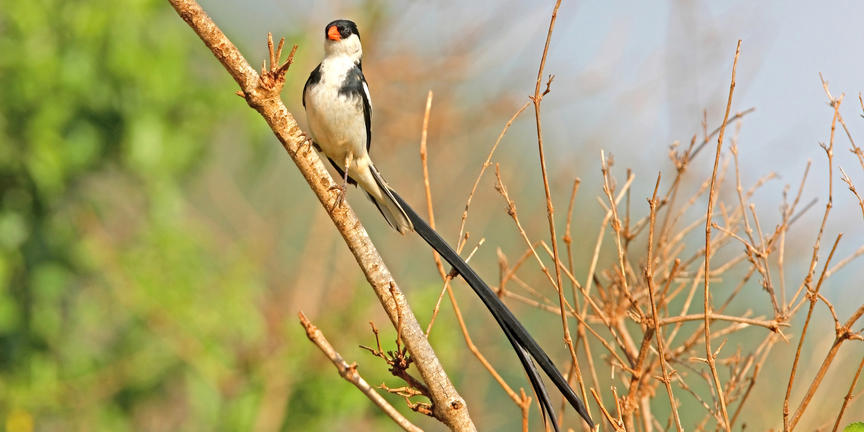
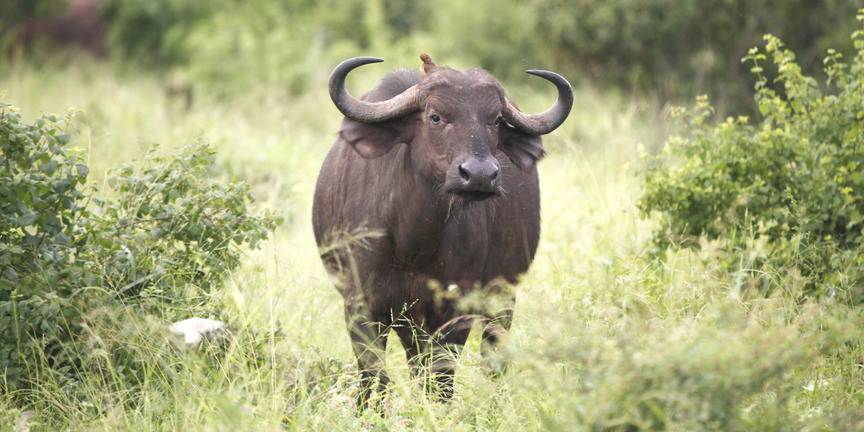
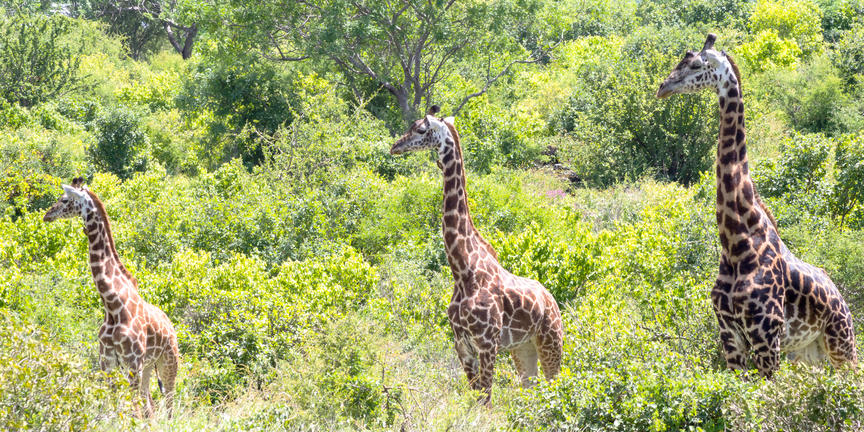
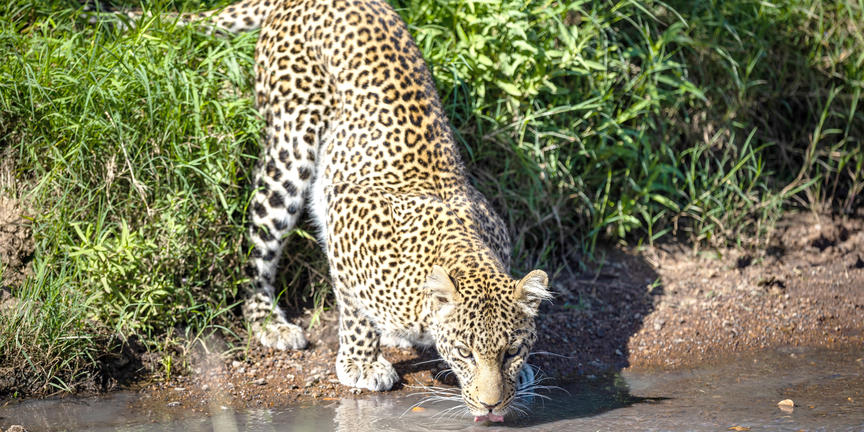
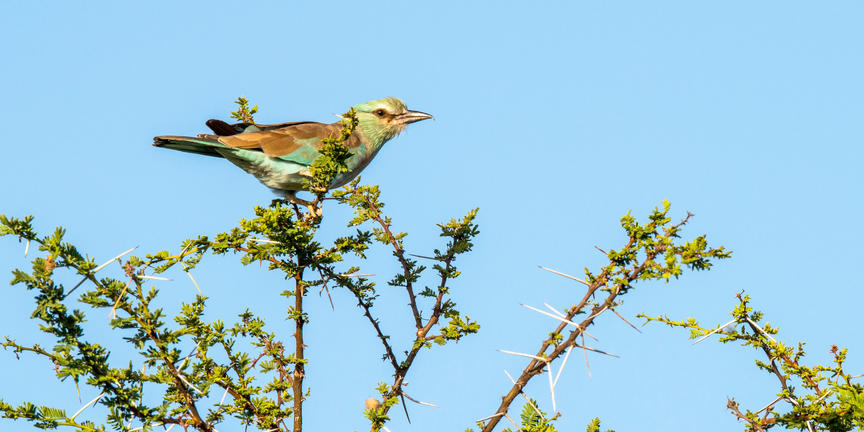
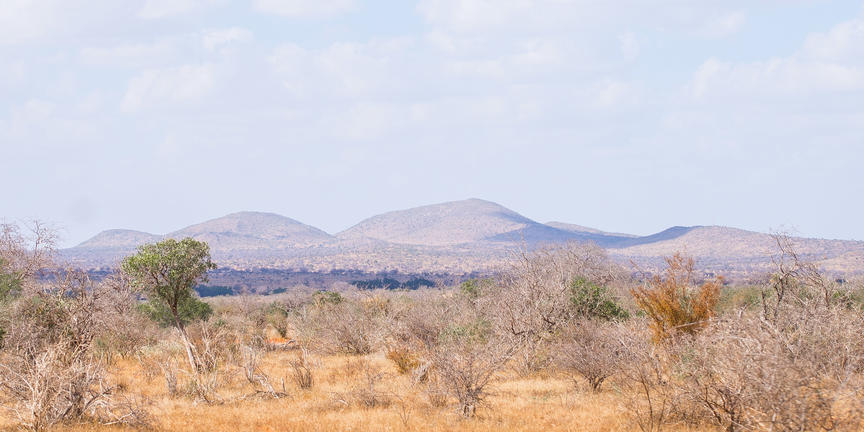
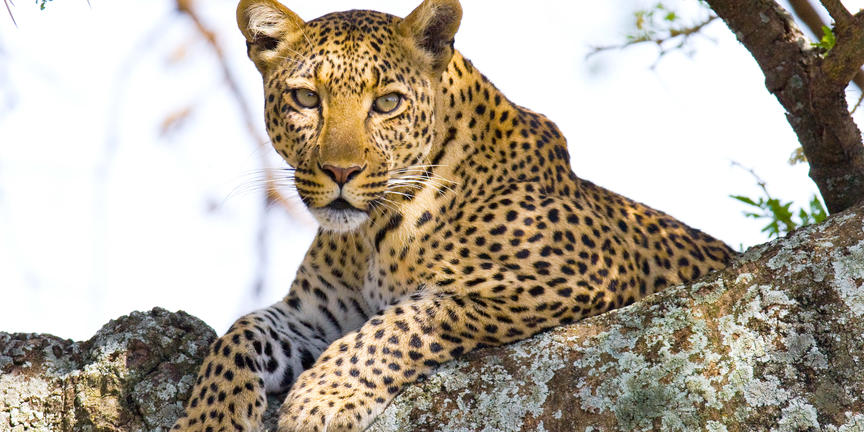
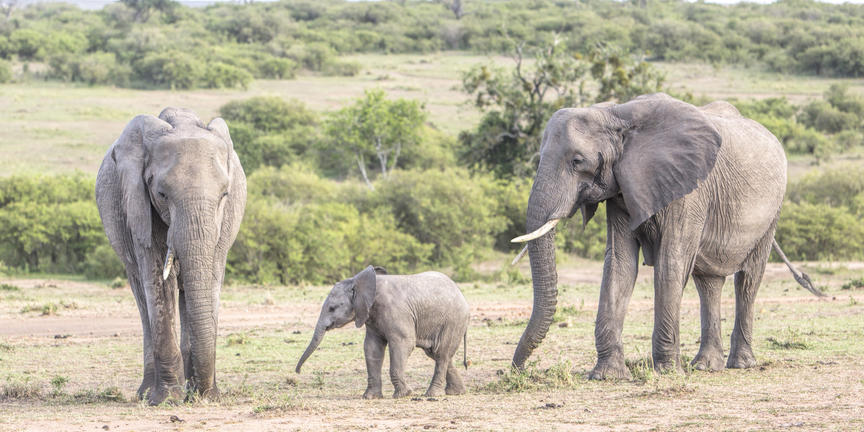
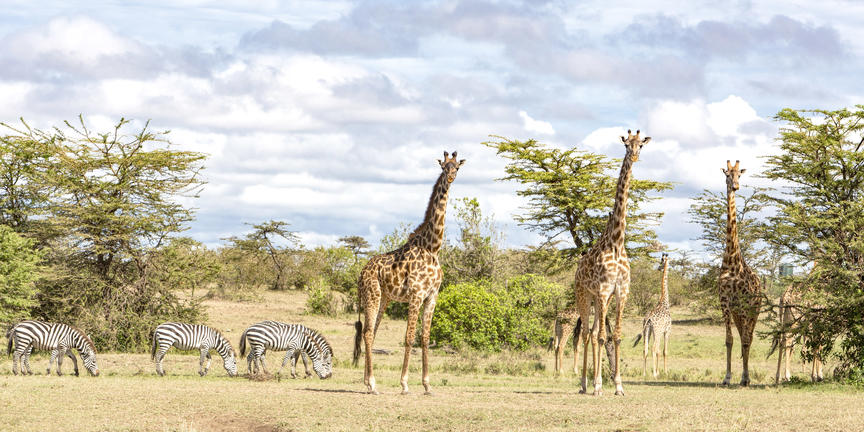
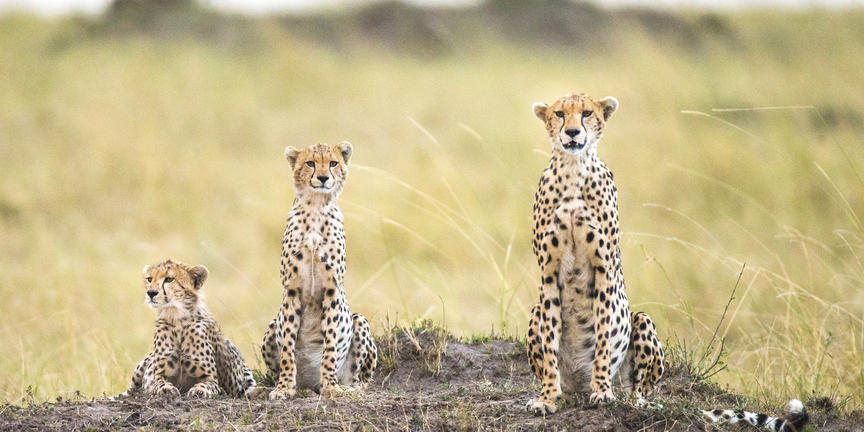
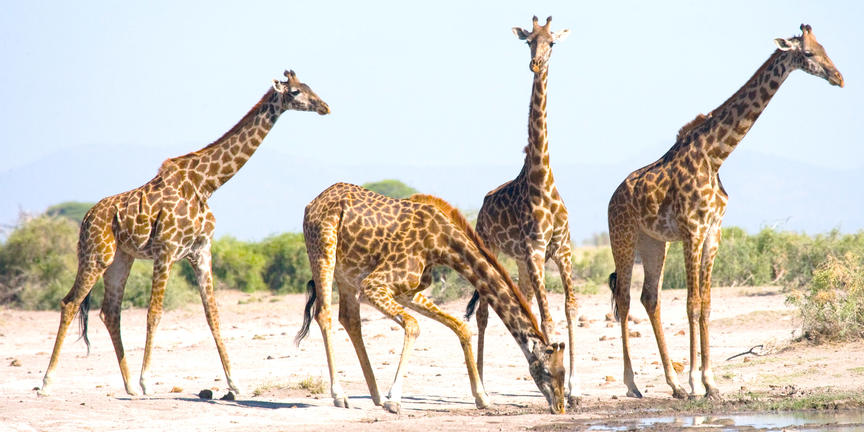
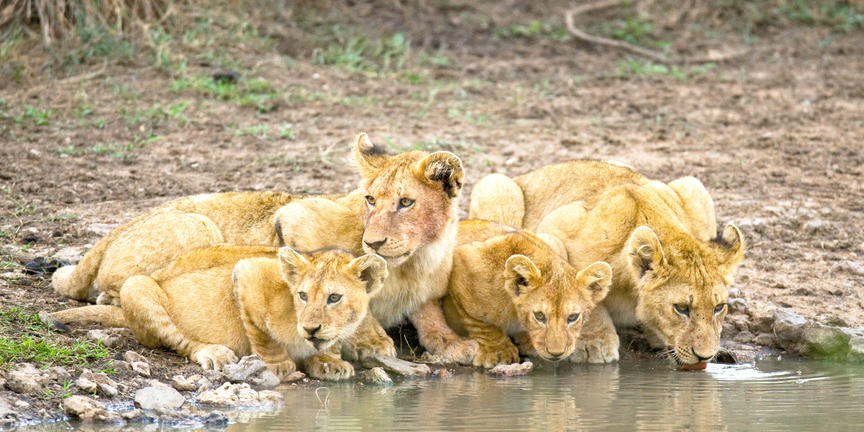
The Olare Motorogi Conservancy is an 85 square kilometre expanse of prime private wilderness in southwest Kenya; part of the Maasai Mara-Serengeti ecosystem and wildlife dispersal zone. The conservancy lies immediately to the northwest of the main Maasai Mara Reserve. Tourism is limited to a maximum of 94 beds which maximizes the client's wilderness experience and minimizes the environmental impact of tourism. Open hills provide a habitat for a diverse range of grazers, including giraffes, zebras, hartebeests, and warthogs. These herds attract large numbers of predators, including lions, cheetahs, hyenas, and jackals. In between the hills run a number of small seasonal streams, fringed by stretches of forest which are home to a broader range of species including baboons, elephants, buffaloes, hippos, and leopards.
As previously described


