Chiang Saen, set along a serene bend of the Mekong River, is one of northern Thailand’s oldest and most atmospheric towns. Once a major stronghold of the Lanna Kingdom, it retains an elegant sense of antiquity, with remnants of ancient city walls, moats and ivy-covered stupas scattered throughout its quiet lanes. The riverside promenade offers tranquil views across Laos, best enjoyed at sunset when the Mekong glows in soft gold. Within town, the Chiang Saen National Museum and a collection of centuries-old temples, including Wat Pa Sak and Wat Phra That Chedi Luang, provide insight into the region’s rich artistic and architectural heritage. Beyond its historical depth, Chiang Saen is a gateway to the Golden Triangle and the surrounding countryside, where verdant hills, riverfront villages and gentle rural life unfold at a peaceful pace. Blending archaeological intrigue, cultural character and sweeping river landscapes, Chiang Saen offers a refined and quietly captivating northern Thai experience.


Ban Houayxay—also spelled Huay Xai or Houeisay—rests on Laos’ northeastern border with Thailand and is often treated as a simple transit stop, though it offers much more to those who pause and explore. Highlights include the lively Muang Keo Morning Market in Ban Muang Keo, where stalls overflow with fresh produce, local delicacies and handmade goods, as well as the atmospheric French-colonial ruins of Fort Carnot. Nature enthusiasts can venture into the nearby Bokeo Nature Reserve via The Gibbon Experience, an immersive conservation project allowing visitors to traverse forest canopy walkways and spot wildlife. For a deeper cultural connection, Daauw Village provides opportunities to engage with traditional Lao life through community-run programmes, with all contributions supporting local development. Ban Houayxay rewards curious travellers with authentic culture, history and nature in equal measure.
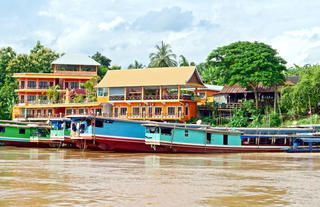
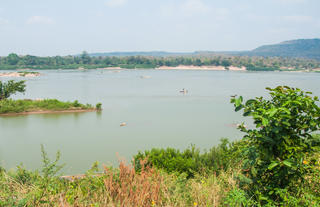
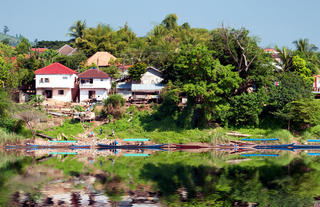
The small but charming village of Pakbeng sits at the midpoint between Huay Xai and Luang Prabang, where the Nam Beng River meets the Mekong, making it the quintessential stopover for travellers taking the scenic slow-boat journey through northern Laos. Quiet and unhurried, the village offers a handful of simple pleasures: a local market for basic supplies and a glimpse of daily life, a few modest temples, and a main street lined with thatch-roofed shops selling handmade trinkets and eateries serving traditional Lao dishes. Nearby, an elephant camp provides opportunities for respectful, close-up encounters with these gentle Asian giants. With its riverside setting and laid-back charm, Pakbeng offers a delightful pause between Mekong journeys.


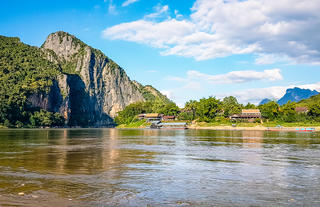
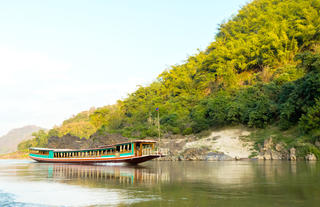
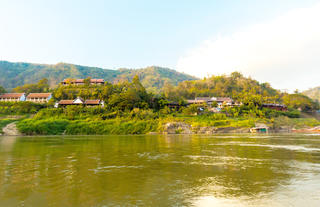
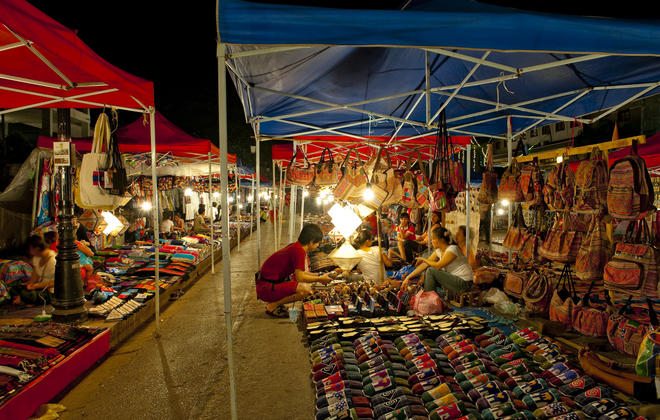
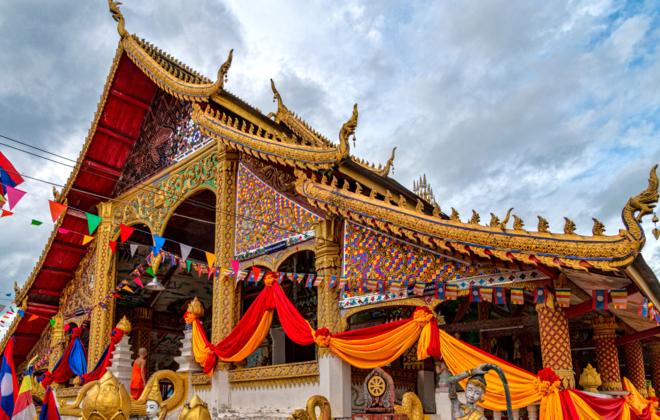
Luang Prabang is a historic town in northern Laos, set at the confluence of the Mekong and Nam Khan rivers and surrounded by forested mountains. A UNESCO World Heritage-listed destination, it is renowned for its well-preserved Buddhist temples, French colonial architecture and relaxed riverside atmosphere. Travellers can explore ornate monasteries, climb Mount Phousi for panoramic views, and visit the Kuang Si waterfalls, where turquoise pools cascade through lush jungle. Early risers can witness the traditional alms-giving ceremony, while the lively night market offers local handicrafts and Lao cuisine. With its blend of spiritual heritage, natural beauty and unhurried pace, Luang Prabang provides a distinctive introduction to Laos and is particularly appealing to travellers seeking culture, scenery and authentic local experiences.