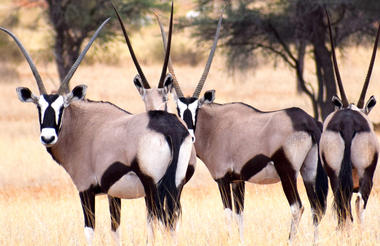
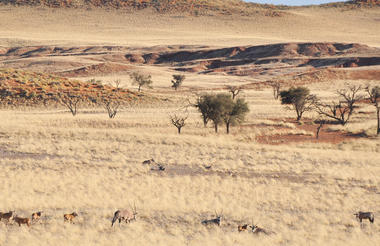
Spreading across Botswana, South Africa and Namibia, the Kalahari, meaning 'the great thirst', is an exceptionally beautiful living desert. The landscape is characterised by a large semi-arid sandy savannah, draped over a gently rolling inland sea of sand that covers most of Botswana and large parts of Namibia and South Africa. It is inhabited by the indigenous San people, with the modern world having enveloped all the other areas they once roamed. The Namibian portion is made up of red sands covered in thin, wispy, mostly golden grass and dotted with acacia trees and wide-ranging wildlife, including gemsbok, impala, jackals and cheetah.
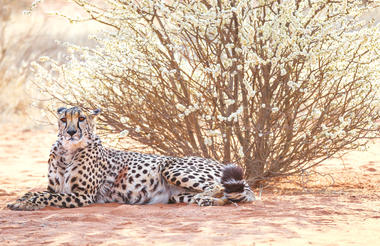
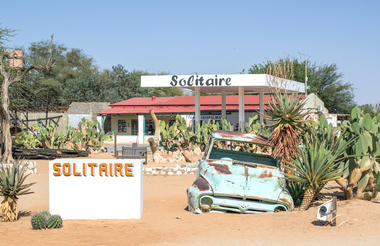
Situated in the Khomas region of Central Namibia, the desert town of Solitaire serves as an oasis in the Namib Desert. The town provides an important stop on the way to the ancient dunes of Sossusvlei, allowing travellers to stock up on essentials as they make their way further into the wilderness. Solitaire also has a small bar and is renowned for its famous apple pie - said to be the best in the country. Enjoy a scenic sundowner with views of the spectacular Namib desert, hike and bike through the unspoilt natural surroundings, or visit the wonderful local Cheetah Sanctuary.
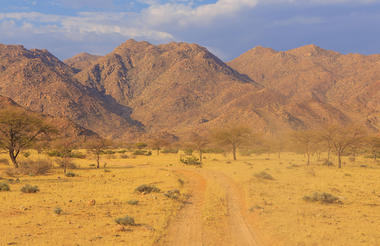
Set between the rolling dunes of the Namib Desert and the icy Atlantic coastline, Swakopmund is a relaxed seaside town in western Namibia known for its German colonial architecture, cool coastal climate, and adventurous spirit. Palm-lined streets, historic buildings, and ocean fog create an atmosphere unlike anywhere else in the country. Travellers visit for desert activities such as quad biking, sandboarding, and scenic flights over vast dunes and shipwreck-strewn shores. Cafés, bakeries, and small museums add to the town's laid-back charm, though the Atlantic waters are brisk rather than tropical. With its striking desert-meets-ocean setting and mix of adventure and history, Swakopmund is one of Namibia's most distinctive destinations.


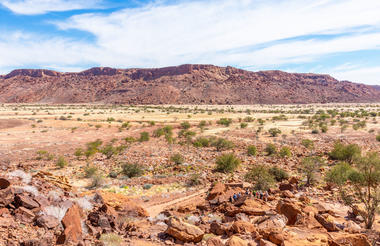
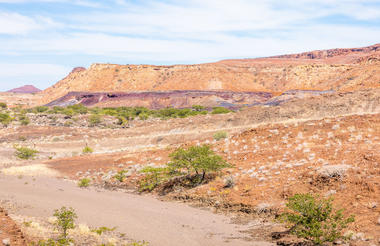
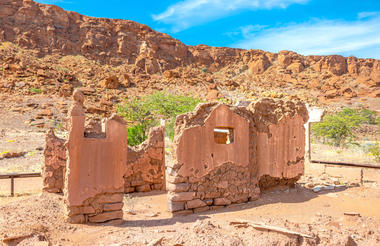
Situated in the Kunene Region of northwestern Namibia, on the edge of the Huab Valley, Twyfelfontein is a remarkable archaeological and geological site renowned for its exceptional collection of ancient rock engravings. Designated a UNESCO World Heritage Site, it is home to more than 2000 petroglyphs created over thousands of years by hunter-gatherer communities, making it one of Africa's most significant concentrations of prehistoric rock art. Guided walks lead visitors through dramatic sandstone outcrops to view engravings depicting wildlife, human figures and symbolic motifs, while the surrounding desert landscape is known for its striking scenery and adapted wildlife, including desert elephants that occasionally roam the region. Nearby attractions include the Organ Pipes, Burnt Mountain and the Damara Living Museum.
Set just outside the south-western border of Etosha National Park, Etosha Heights Private Reserve offers enthralling landscapes, a huge variety of flora and fauna, and a wide range of thrilling activities. Vast savannah, rivers, forests, Mopani woodland, salt pans and dolomite hills spread themselves over the 60,000-hectare area. Numerous safaris and game drives offer the chance to see kudu, lion and the elusive mountain zebra (in the hills) and sable, black-faced impala, giraffe, aardvark, elephant and many more (around the waterholes). Visitors can also take night drives and bush picnics. A double-storey photography hide allows close-up encounters with an incredible diversity of gorgeous birdlife and animal life. Fantastic luxury facilities are provided by the accommodation options.


As previously described


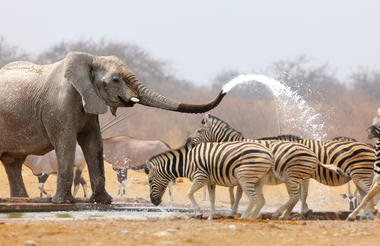
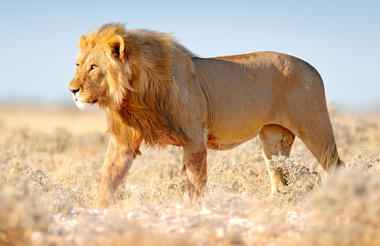
Located along the eastern boundary of Etosha National Park in northern Namibia, Etosha East is a rewarding safari destination known for its excellent wildlife viewing and convenient access to the park through the Von Lindequist Gate near Namutoni. Characterised by open savannah, mopane woodland and seasonal waterholes, the region attracts an abundance of wildlife, including elephant, lion, giraffe, zebra and a variety of antelope species. Visitors can enjoy self-drive or guided game drives, with the waterholes offering some of the best opportunities to observe animals gathering to drink, particularly during the dry season. Golden grasslands, distant birdsong and expansive African skies create an immersive safari experience in one of Namibia's most celebrated conservation areas.
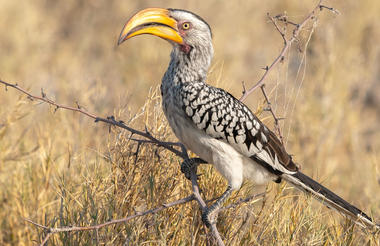
Bordering Angola, on the banks of the Okavango River in northern Namibia, the town of Rundu serves as the capital of the eastern Kavango region. Rundu is renowned for its local woodcarvers market and is filled with impressive woodcarvers' workshops. The town provides a great stopover to refuel for visitors heading to Katima Mulilo, enthralling Popa Falls, or Mahangu Game Reserve, home to the endangered wild dog and lion, leopard, elephant, cheetah, and hippo. Visitors to Rundu can also look forward to great game viewing, excellent bird watching as well as kayaking on the spectacular Kavango River.
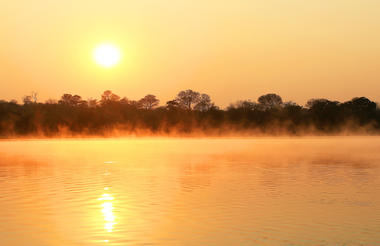
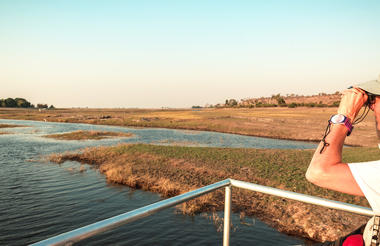
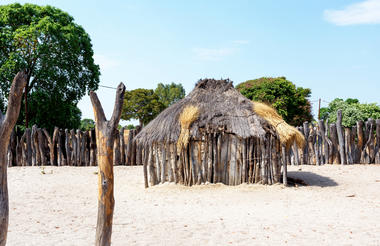
Flowing through the Zambezi Region of northeastern Namibia, close to the borders of Botswana, Zambia and Angola, the Kwando River is a scenic waterway that forms part of the vast Kavango–Zambezi (KAZA) Transfrontier Conservation Area. Lined with riverine forests, floodplains and reed-fringed channels, it supports an exceptional diversity of wildlife and birdlife, making it one of Namibia's premier safari destinations. Visitors can enjoy game drives, boat cruises, canoeing and guided nature walks, with opportunities to spot elephants, hippos, crocodiles and an abundance of bird species. The river also borders Bwabwata National Park and provides access to nearby Mudumu and Nkasa Rupara national parks, where seasonal wetlands support a rich diversity of wildlife throughout the year.

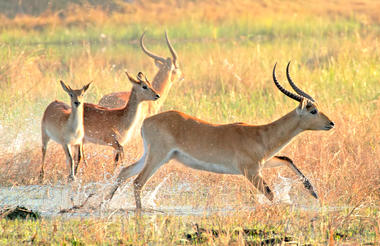
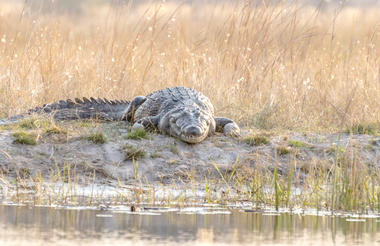
The Chobe River forms the northern boundary of Chobe National Park and is one of southern Africa’s most rewarding wildlife riverfronts, especially in the dry season when animals concentrate along its banks. Elephant herds gather in large numbers at the water’s edge, hippos crowd the channels, and buffalo move regularly through the floodplain grasslands, while lions range through the wider system and may hunt buffalo in the surrounding landscape. The river also supports exceptional birdlife across reeds, sandbanks, and woodland edges, and visitors typically explore it through guided game drives on designated park tracks as well as boat safaris that bring them level with elephants and hippos along the shoreline.


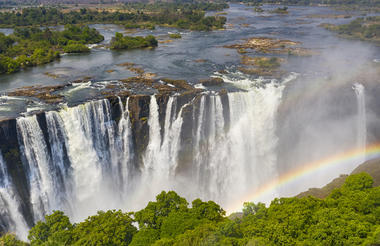
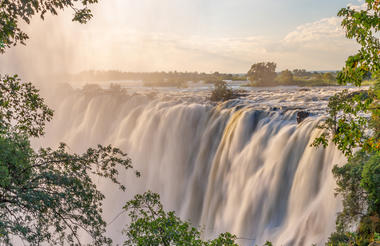
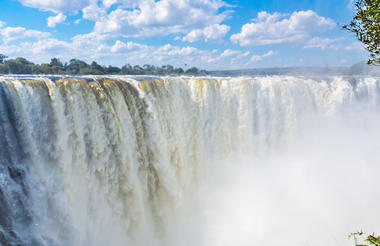
Known locally as Mosi-oa-Tunya—“The Smoke That Thunders”—Victoria Falls is one of the world’s great natural landmarks. Straddling the Zambezi River between Zambia and Zimbabwe, it forms a vast curtain of water that fills the air with mist and sound. The Zimbabwean side grants the most dramatic views, where mist rises like ghostly curtains and rainbows arc through the spray. Measuring about 1,708 metres across, it is regarded as the largest single continuous sheet of falling water on Earth. The adjacent town of Victoria Falls provides a convenient base for exploring the region, with a wide range of activities from scenic flights and microlight trips to white-water rafting, bungee jumping, kayaking, and safaris into Chobe National Park.