


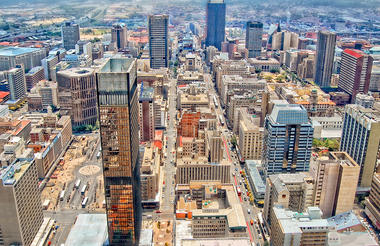
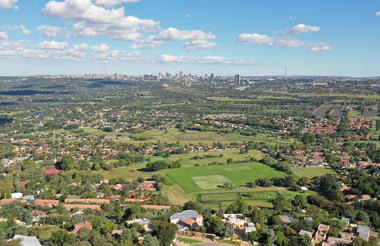
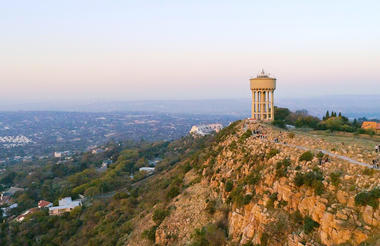
Located on South Africa’s Highveld plateau, Johannesburg is a fast-paced, creative city shaped by gold-rush history, cultural diversity and constant reinvention. Its atmosphere is energetic and urban, with contemporary galleries, rooftop bars and leafy suburbs existing alongside powerful reminders of the country’s past. Visitors can explore the Apartheid Museum, tour Soweto’s historic streets or browse vibrant markets and design spaces in neighbourhoods such as Maboneng. The city’s soundtrack shifts from lively jazz and amapiano beats to the hum of busy streets, while the scent of grilled street food drifts through open-air cafés and market stalls. Johannesburg rewards travellers who engage with its complexity and culture, though its size, traffic and contrasts mean it is best experienced with some planning and local insight.
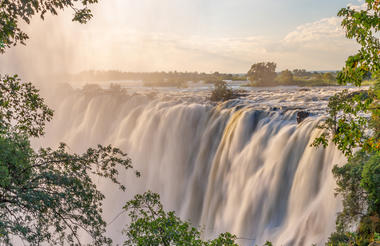
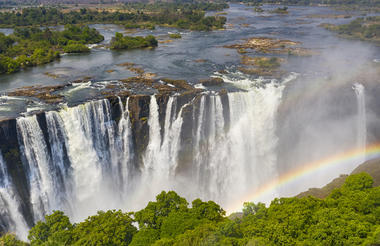
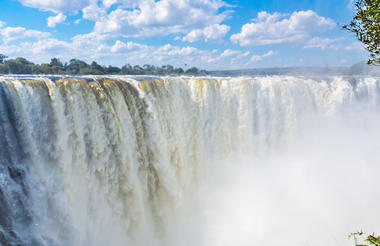
Known locally as Mosi-oa-Tunya—“The Smoke That Thunders”—Victoria Falls is one of the world’s great natural landmarks. Straddling the Zambezi River between Zambia and Zimbabwe, it forms a vast curtain of water that fills the air with mist and sound. The Zimbabwean side grants the most dramatic views, where mist rises like ghostly curtains and rainbows arc through the spray. Measuring about 1,708 metres across, it is regarded as the largest single continuous sheet of falling water on Earth. The adjacent town of Victoria Falls provides a convenient base for exploring the region, with a wide range of activities from scenic flights and microlight trips to white-water rafting, bungee jumping, kayaking, and safaris into Chobe National Park.
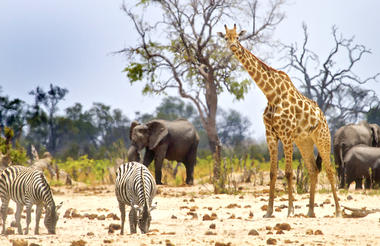
Situated in western Zimbabwe, the Hwange National Park is the country's biggest reserve, home to a profusion of wildlife, including giraffe, lion, zebra and approximately 40 000 elephants. It provides a sanctuary for all the country’s endangered species, including a population of wild dogs thought to be among the most sizeable surviving groups on the continent. The park’s magnificent terrain ranges from desert dunes, savannah lands and mopane woodlands to rocky outcrops and sparse forests. Visitors can look forward to game drives, guided walks or horse riding safaris. Other highlights include: the Bumbusi National Monument and the Nyamandhlovu Pan.

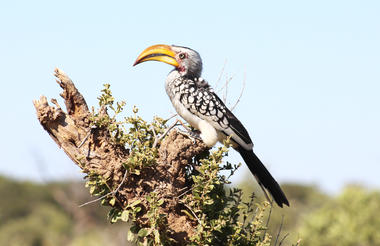
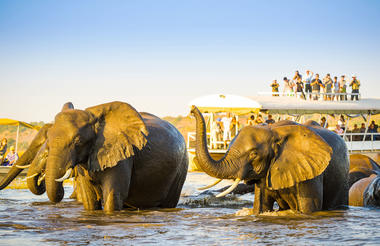
Situated in northeastern Botswana on the banks of the Chobe River, the town of Kasane is the main gateway to Chobe National Park and one of southern Africa's premier safari destinations. Renowned for its exceptional wildlife viewing, Kasane offers game drives and river cruises where visitors can encounter large herds of elephants, buffalo, hippos, and crocodiles, as well as abundant birdlife. Its location near the borders of Botswana, Namibia, Zambia and Zimbabwe also makes it a convenient base for exploring the wider region. Golden sunsets reflected on the river, the sounds of wildlife and a relaxed safari atmosphere combine to make Kasane an unforgettable destination for nature lovers.

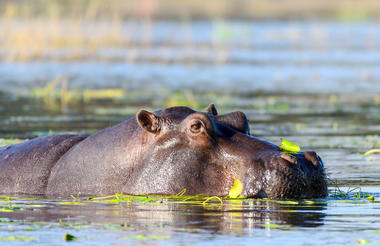
The southern area of South Africa’s most famous game reserve, Kruger National Park, is separated from lush farmland by the Crocodile River, a popular area for spotting crocodiles, playful hippos and thirsty wildlife gathering along the banks. This region, known as the ‘Southern Circle’, is renowned for its excellent game viewing and high concentrations of rhinos and lions, with different prides displaying fascinating hunting techniques and behaviours. Near the Hippo Pool, visitors can also discover ancient San rock paintings that offer insight into the area’s rich cultural heritage. The Southern Kruger features magnificent landscapes of African bushveld and open savannah, dotted with acacia trees and seasonal waterholes attracting diverse wildlife. Popular activities include guided game drives, birdwatching and photography, making this one of the park’s most rewarding safari regions.


