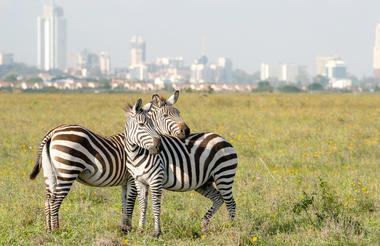
Nairobi National Park is Kenya’s most accessible yet incongruous safari experience. Set within the city limits, Nairobi National Park has abundant wildlife, with generally large aggregations of antelope and buffaloes here year-round.
Nairobi National Park has acquired the nickname ‘Kifaru Ark’, a testament to its success as a rhinoceros (kifaru in Kiswahili) sanctuary. The park is home to the densest concentration of black rhinoceros (over 50) in the world, meaning your chances of seeing one here is very high.
Lions and hyenas are also commonly sighted within the park; park rangers at the entrance usually have updates on lion movements. Other regularly spotted species include gazelle, warthog, zebra, giraffe, ostrich and buffalo.
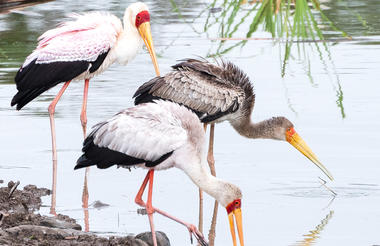
The park’s wetland areas also sustain approximately 400 bird species, which is more than in the whole of the UK.
NOTE: Plastic bags are now banned in Kenya, Rwanda, Tanzania and Uganda, and are likely to be confiscated by customs officials on arrival, whether in clients’ baggage or carried by hand. For example, Duty-Free bags
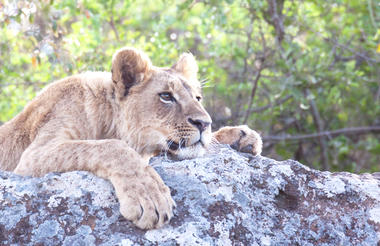
Sandwiched between the Tsavo West National Park and Amboseli National Park, the Chyulu Hills National Park protects an important water catchment area. This unique habitat features vast grass plains, forested rolling hills and rugged volcanic cones and craters set against the beautiful backdrop of Mount Kilimanjaro. Visitors can look for to a wide selection of exciting activities including camping, mountain climbing, horse riding, and excellent bird watching. Commonly spotted wildlife include: elephant, bushbuck, eland, leopard, bush pig, reedbuck, buffalo and giraffe. Don’t miss the opportunity to explore the longest lava tube in the world.
NOTE: Plastic bags are now banned in Kenya, Rwanda, Tanzania and Uganda, and are likely to be confiscated by customs officials on arrival, whether in clients’ baggage or carried by hand. For example, Duty-Free bags
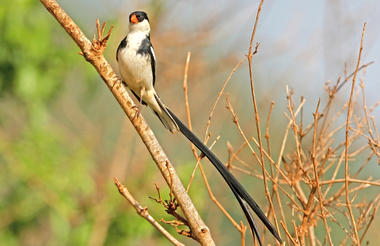
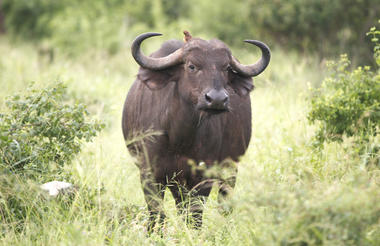
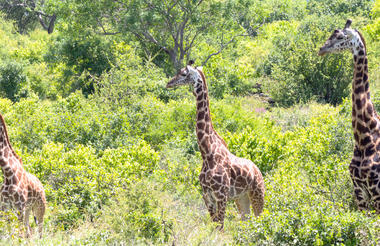
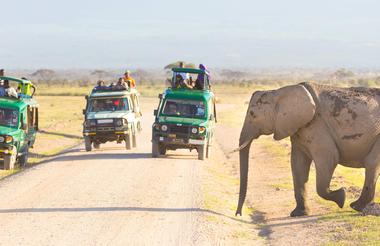
Located in the southern reaches of Kenya, the Amboseli National Park is renowned for its excellent variety of wildlife such as Masaai giraffe, elephant, lion and cheetah and not surprisingly it is one of Kenya's most popular parks. The landscape of Amboseli is dominated by the majestic snow cap of Mount Kilimanjaro, as well as open plains, acacia woodland, swamps and the massif of Ol Doinyo Orok. The birding is excellent, especially closer to the lakes and swamps. The park is famous for being the best place in Africa to get close to large herds of elephants among other wildlife species. Other attractions of the park include opportunities to meet the Maasai people and soak up spectacular views of Mount Kilimanjaro, the highest free-standing mountain in the world.
NOTE: Plastic bags are now banned in Kenya, Rwanda, Tanzania and Uganda, and are likely to be confiscated by customs officials on arrival, whether in clients’ baggage or carried by hand. For example, Duty-Free bags


Spanning over thousands of hectares of vast open savannah grasslands in northern Kenya, Lewa Wildlife Conservancy is home to the world’s largest population of Grevy’s zebra. Renowned as a pioneer and leader in responsible tourism, Lewa Wildlife Conservancy actively advances and develops community engagement and wildlife conservation. It has been declared a UNESCO World Heritage Site and serves as an important sanctuary for a large selection of wildlife including the endangered black rhino as well as the white rhino. Lewa offers visitors the opportunity to have close encounters with these prehistoric creatures against an unspoilt backdrop, making it one Kenya’s top game-viewing destinations. Boasting one of the highest wildlife densities in Kenya, the park is also inhabited by elephants, lions, buffalo, wild dogs, giraffes, cheetahs, and over 400 bird species.
NOTE: Plastic bags are now banned in Kenya, Rwanda, Tanzania and Uganda, and are likely to be confiscated by customs officials on arrival, whether in clients’ baggage or carried by hand. For example, Duty-Free bags
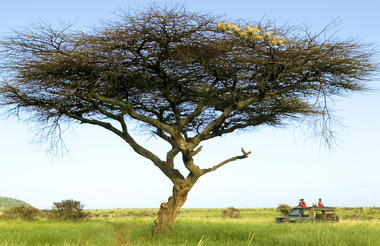
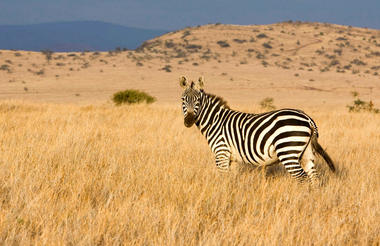
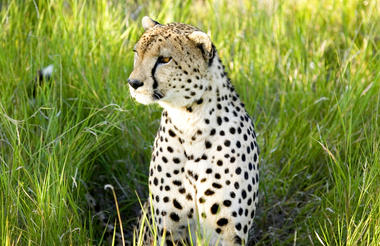
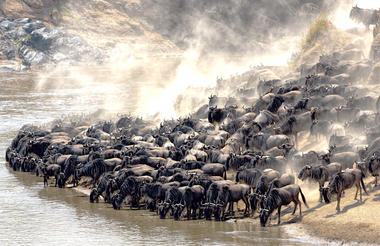
One of Kenya’s most iconic natural wonders, the Masai Mara National Reserve stretches across more than 1500 square kilometres in the country’s southwest. The park shelters a remarkable array of wildlife, including elephant, lion, leopard, and buffalo that roam its savannahs, while crocodile and hippopotamus inhabit the Mara River. Birdwatchers will delight in the presence of more than 450 resident species. Yet the true spectacle is the Great Migration, named one of the Seven New Wonders of the World. Each July to September, roughly 1.7 million wildebeest trek from the parched plains of Tanzania’s Serengeti to the greener grasslands of the Masai Mara, followed by zebra, antelope, and predators such as lion, hyena, and cheetah. The sight, sound, and raw energy of these vast herds are a once-in-a-lifetime experience for any traveller.