


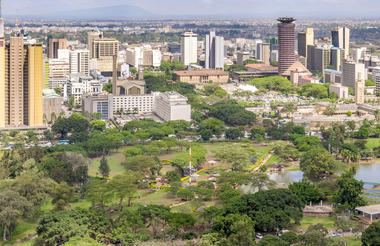
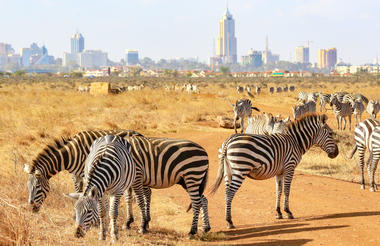
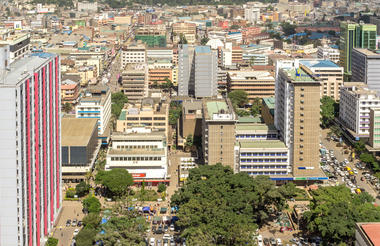
Widely regarded as one of East Africa’s most dynamic and cosmopolitan cities, Nairobi sits along the Nairobi River and serves as Kenya’s capital and largest urban centre, acting as a major gateway for safari travel across the country. The city features a growing café culture, active nightlife, and cultural landmarks such as the National Museum of Kenya and the Karen Blixen Museum. Just outside the city centre lies Nairobi National Park, where wildlife, including lions, giraffes, and buffalo, roam against a backdrop of skyscrapers — one of the rare cases in the world where a major national park borders a capital city. Visitors also often stop at the David Sheldrick Wildlife Trust elephant orphanage for close encounters with rescued calves.
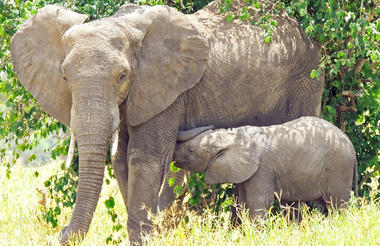
Located in the southern reaches of Kenya, the Amboseli National Park is renowned for its excellent variety of wildlife such as Maasai giraffe, elephant, lion and cheetah and not surprisingly it is one of Kenya's most popular parks. The landscape of Amboseli is dominated by the majestic snowcap of Mount Kilimanjaro, as well as open plains, acacia woodland, swamps and the massif of Ol Doinyo Orok. The birding is excellent, especially closer to the lakes and swamps. The park is famous for being the best place in Africa to get close to large herds of elephants among other wildlife species. Other attractions include opportunities to meet the Maasai people and soak up spectacular views of Mount Kilimanjaro, the highest free-standing mountain in the world.

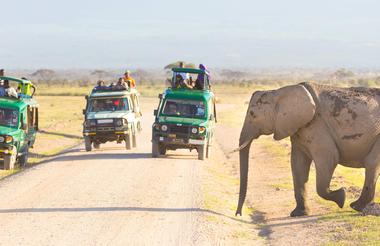

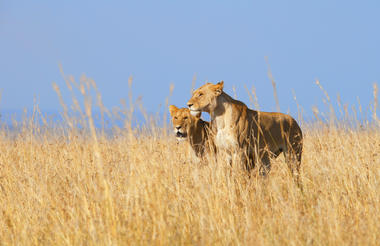
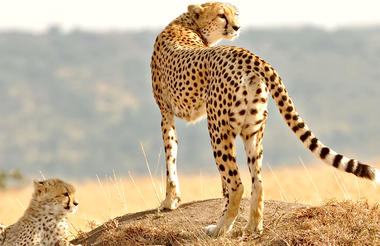
Situated in southwestern Kenya, the Masai Mara encompasses the celebrated national reserve and its surrounding community conservancies, forming part of the Greater Serengeti–Mara ecosystem. Rolling savannahs, dotted with acacia trees and crossed by the Mara River, create a rich and varied landscape. Vast herds of wildebeest, zebra, and antelope graze across the plains, while elephants, giraffes, and buffalo roam freely. The river’s lush banks support hippos and crocodiles and sustain wildlife throughout the dry season. Predators are abundant, with lions, leopards, cheetahs, and hyenas regularly seen in action. Each year, the spectacular Great Migration transforms the region, as millions of wildebeest and zebra traverse the plains. Visitors can soak up the breathtaking scenery, diverse wildlife, and Maasai cultural heritage in one of Africa’s most iconic safari destinations.
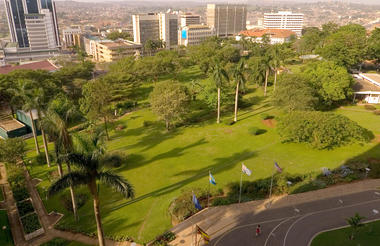
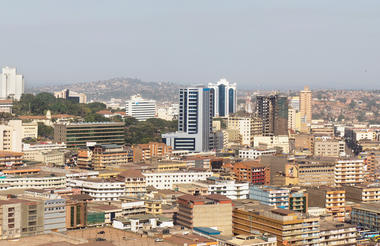
Bordering the magnificent Lake Victoria, Uganda’s capital city - Kampala - sprawls out over a series of undulating hills and despite the development, this ‘Garden City’ is known for its tree-lined avenues. It serves as the commercial hub of the country boasting a blend of African markets, modern skyscrapers, international hotels, bars, and casinos. It provides an excellent base from which to explore the surrounding area. Visitors can look forward to learning about the country’s rich and colourful history at the Uganda Museum; enjoying a number of activities on Lake Victoria, Africa’s largest lake; and visiting the Namugongo Martyrs Shrines, a UNESCO World Heritage Site. Don’t miss the opportunity to visit the nearby Mburo National Park to catch a glimpse of local wildlife including: hippo, zebra, gazelles, crocodiles, warthog, and a variety of magnificent birdlife.

Kibale Forest National Park, situated in Western Uganda, is famous for its high density of primates, breathtaking crater lakes, and thick, beautiful jungle. Thirteen primate species inhabit the beautiful tropical forest, including red-tailed monkey, L’Hoest's monkey, grey-cheeked mangabey, red colobus, and black and white colobus monkeys. Visitors may spot some of the 300 bird species and 250 butterfly species, and buffalo, forest elephants, leopards, bushbucks, and sitatungas also live in the park but are generally shy. The area is decorated by around 50 enthralling crater lakes and numerous pristine hiking trails. Several cultural tours are on offer which delve into the rich traditions of the Batoro people, giving travellers a chance to see Batoro dancing, singing and traditional healing up close.


Located in southwestern Uganda, the Bwindi Impenetrable National Park is said to be Africa’s oldest rainforest. It is world-renowned for its excellent gorilla-sighting opportunities - the forest is home to half of the remaining mountain gorillas on earth. This gorilla experience takes place among a rugged landscape of dense jungle, cascading waterfalls, sparkling mountain streams, deep valleys, and steep ridges. The untouched forest has been declared a UNESCO World Heritage Site for its breathtaking natural beauty and unique ecological significance. Aside from the amazing gorilla interactions, there are other drawcards such as a network of forest walks, over 340 species of bird to spot, and a variety of brightly-coloured butterflies to identify.


