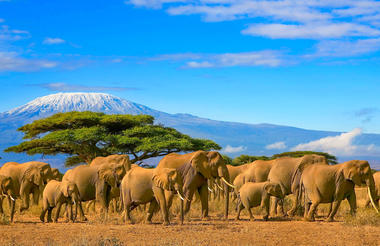
Mount Kilimanjaro – The Roof of Africa
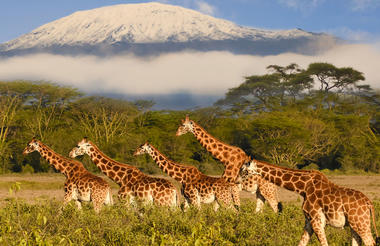
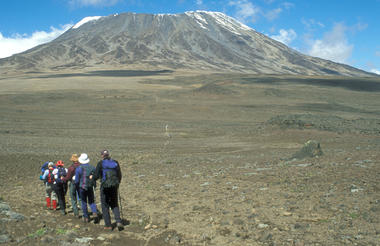
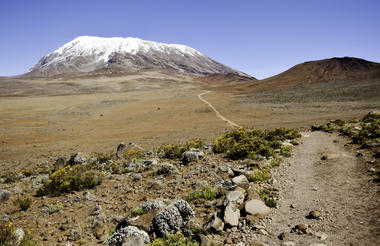
Kilimanjaro’s snow-capped peak is one of Africa’s most awe-inspiring natural landmarks. Straddling the Kenya–Tanzania border, this iconic freestanding volcano rises to a staggering 5896 metres above sea level, making it Africa’s highest mountain and the tallest free-standing peak in the world.
A UNESCO World Heritage Site, Mount Kilimanjaro National Park encapsulates an astonishing variety of ecosystems—from lush tropical rainforests and alpine meadows to barren high-altitude deserts and the glacial summit of Uhuru Peak. Its sheer scale, dramatic landscapes, and accessibility have made it a bucket-list destination for trekkers, climbers, and nature lovers worldwide.
Location
Located in northern Tanzania, near the town of Moshi, Mount Kilimanjaro rises majestically from the open plains that border Amboseli National Park in Kenya. The surrounding Kilimanjaro National Park spans over 750 square kilometres, encompassing diverse ecosystems and breathtaking scenery.
Unique Features
Africa’s Tallest Peak: Standing at 5896 metres (19,341 feet), Mount Kilimanjaro is both the highest mountain in Africa and the world’s tallest freestanding mountain.
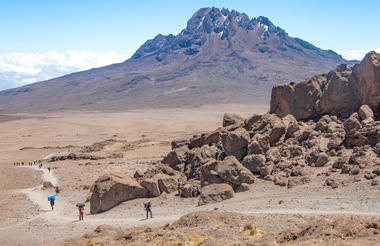
Triple Volcanic Cones: The mountain comprises three extinct volcanic cones: Kibo, Mawenzi, and Shira. Kibo hosts Uhuru Peak, the mountain’s highest point.
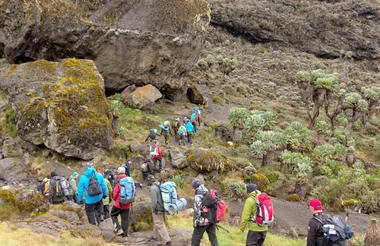
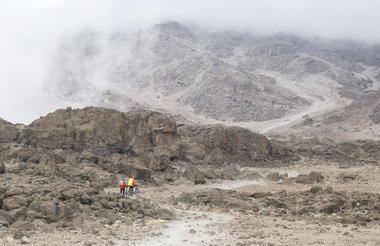
Five Ecological Zones: The climb traverses distinct zones—from cultivated farmland and rainforest to moorland, alpine desert, and the arctic summit—each with unique flora and fauna.
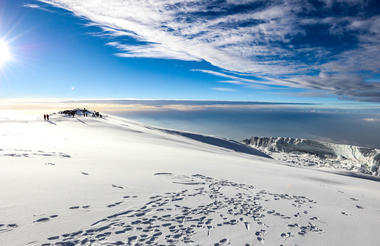
Glacial Ice Fields: Despite being near the equator, Kilimanjaro retains glacial ice fields and snowcaps, remnants of its once vast ice sheet.
Cultural Significance: The mountain holds deep spiritual meaning for the Chagga people, who live on its fertile lower slopes.
Activities in the Area
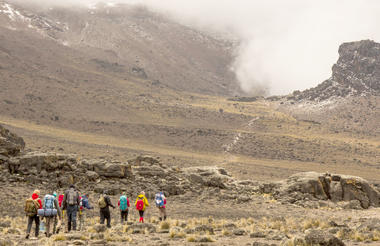
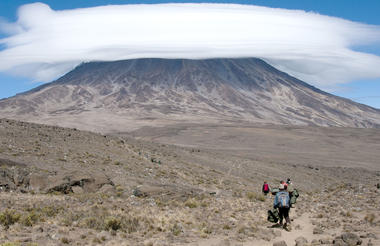
Mountain Climbing & Trekking: Take on the challenge of summiting Uhuru Peak, Africa’s highest point. There are several established routes, each offering a unique combination of scenery, duration, and difficulty level:
Marangu Route (“Coca-Cola Route”) – The only route with hut accommodation; shorter and less steep, but with lower summit success rates.
Machame Route (“Whiskey Route”) – The most popular and scenic route, featuring diverse landscapes and a higher success rate due to better acclimatisation.
Lemosho Route – A longer, less crowded route through remote forest and moorland areas, offering excellent acclimatisation and stunning vistas.
Rongai Route – Approaches from the north near the Kenyan border; quieter, drier, and ideal during the rainy season.
Shira Route – Begins at a higher elevation on the western side, merging with Lemosho later; beautiful but recommended for experienced hikers.
Umbwe Route – The steepest and most direct ascent; best suited for seasoned climbers seeking a challenge.
Northern Circuit Route – The newest and longest route, offering exceptional acclimatisation, minimal crowds, and panoramic views from multiple aspects of the mountain.
Guided Nature Walks: Explore the lush lower slopes and foothills of Kilimanjaro, home to tropical forests, waterfalls, and wildlife such as blue monkeys and colobus monkeys.
Cultural Experiences: Visit Chagga villages on the mountain’s lower slopes to learn about local traditions, coffee farming, and folklore tied to the mountain.
Travel Information
How to Get There
By Air: Fly into Kilimanjaro International Airport (JRO), located about 40 km from Moshi and 50 km from Arusha.
By Road: Accessible via well-paved roads from Arusha (2 hours), Moshi (1 hour), and Nairobi (5–6 hours via border crossing at Namanga).
Travel Distances
Arusha → Moshi: ~85 km (2 hours)
Moshi → Kilimanjaro National Park Gate: ~45 minutes
Kilimanjaro → Nairobi: ~300 km (5–6 hours)
Best Time to Visit
Dry Season (June – October):
Clear skies, minimal rain, and the best visibility for climbing.Short Dry Season (January – February):
Another excellent period for trekking with warm, stable weather.
Why Include Mount Kilimanjaro in Your African Safari Itinerary
Mount Kilimanjaro offers one of the world’s most unforgettable natural experiences — a chance to walk from equatorial forests to glacial peaks in a matter of days. Whether you’re summiting Africa’s highest point, exploring its biodiverse slopes, or marvelling at its beauty from afar, Kilimanjaro embodies the spirit of adventure and wonder that defines Africa.
Combining a Kilimanjaro trek with nearby safaris in Amboseli, Tarangire, or Serengeti National Parks makes for an unparalleled East African journey.
Key Attractions
Kilimanjaro National Park
Uhuru Peak (5896 m)
Kibo, Mawenzi & Shira Cones
Chagga Cultural Tours
Lush Rainforests & Waterfalls
Diverse Flora, Fauna & Birdlife
Avoid the long rains (March – May) and short rains (November) for the most comfortable trekking conditions.
As previously described
As previously described
As previously described