


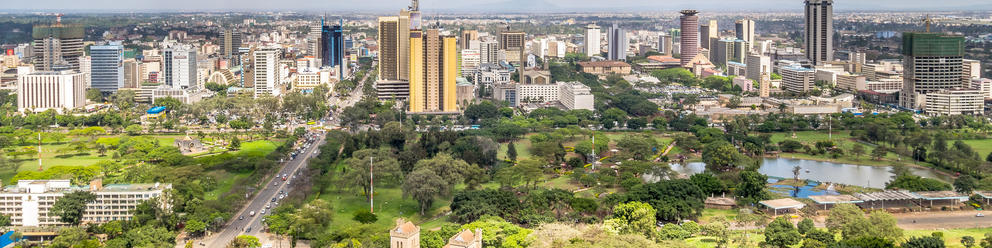
Nairobi, the capital of Kenya, is a vibrant metropolis known as the economic, political, and cultural hub of East Africa. It blends modern skyscrapers with busy markets and green spaces like Nairobi National Park, where wildlife roams against a city backdrop. Nairobi has a rich history, with sites like the Karen Blixen Museum and the National Museum of Kenya. It’s a fast-growing city where tradition and modern life come together.
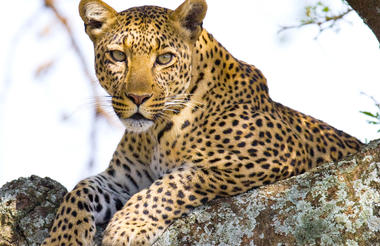
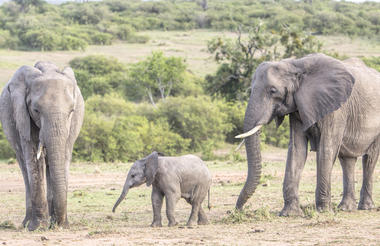
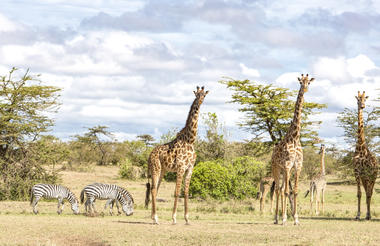
The Olare Motorogi Conservancy is an 85 square kilometre expanse of prime private wilderness in southwest Kenya; part of the Maasai Mara-Serengeti ecosystem and wildlife dispersal zone. The conservancy lies immediately to the northwest of the main Maasai Mara Reserve. Tourism is limited to a maximum of 94 beds which maximizes the client's wilderness experience and minimizes the environmental impact of tourism. Open hills provide a habitat for a diverse range of grazers, including giraffes, zebras, hartebeests, and warthogs. These herds attract large numbers of predators, including lions, cheetahs, hyenas, and jackals. In between the hills run a number of small seasonal streams, fringed by stretches of forest which are home to a broader range of species including baboons, elephants, buffaloes, hippos, and leopards.
As previously described
Zambia is a landlocked country in Southern Africa, known for its stunning natural beauty, wildlife, and rich cultural heritage. It is home to famous landmarks like Victoria Falls, one of the world’s largest and most spectacular waterfalls. Zambia’s vast national parks, such as South Luangwa and Lower Zambezi, offer incredible safaris and opportunities to see diverse wildlife, including elephants, lions, and leopards. The country is also rich in history, with vibrant local cultures and a warm, welcoming population.

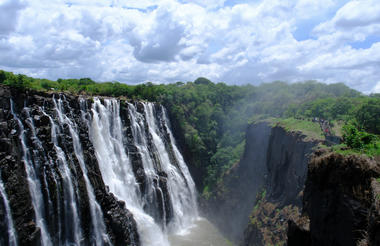
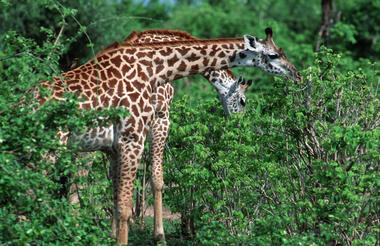
Bordering Angola in northern Namibia, Kunene is a region as well as the name of a river, which is one of just five perennial rivers in Namibia. The Kunene River is an invaluable source of water for the local Himba people, and it has been the mainstay of their existence for hundreds of years. For travellers, the river’s most striking feature is the magnificent Epupa Falls, which cascade over a distance of more than a kilometre downstream, with an impressive vertical drop of around 60 metres. Whitewater rafting and kayaking are both popular pursuits in these areas. Visitors can take sundowner cruises; explore sublime hiking routes; enjoy excellent bird watching opportunities; learn about local culture with a trip to a traditional Himba village; or go canoeing, kayaking, and game viewing.


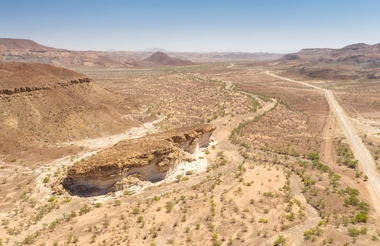
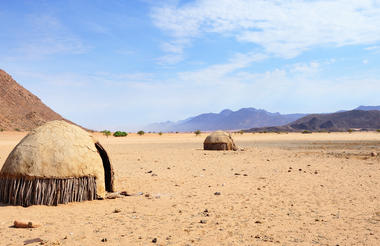
Situated in northwestern Namibia, stretching from the Skeleton Coast inland towards the Angolan border, Kaokoveld is a vast and remote wilderness region known for its rugged landscapes, dramatic mountains and ancient desert valleys. This sparsely populated area is home to small Himba communities, free-roaming desert-adapted wildlife and some of Namibia’s most spectacular scenery. Travellers can explore remote landscapes by 4x4, visit traditional Himba settlements, track desert elephants, and search for black rhinos in rugged terrain. Among the region’s most iconic sights are Hartmann’s Valley and Marienfluss, two spectacular wilderness valleys renowned for their sweeping landscapes, as well as the legendary Van Zyl’s Pass, the dramatic Kunene River, and the picturesque Epupa Falls. With limited infrastructure and challenging conditions, Kaokoveld appeals to adventurous travellers seeking solitude and untouched wilderness.
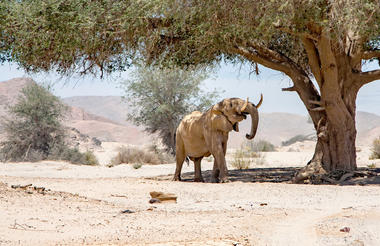
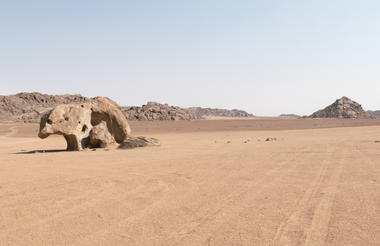
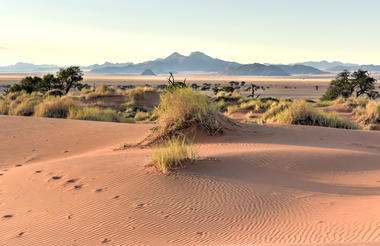
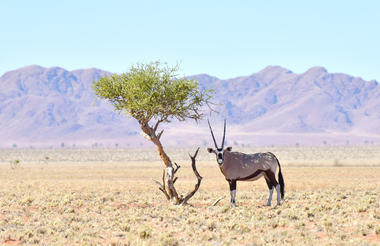
Spanning more than 172,000 hectares and encompassing several distinct desert ecosystems, the NamibRand Nature Reserve in southern Namibia is one of the largest private nature reserves in Southern Africa. Founded to conserve the unique ecosystem and biodiversity of the Namib Desert, the reserve's mix of dunes, mountains, rocky outcrops, sandy flats, and gravel plains provides habitats for a diversity of mammals, including hyenas, jackals, foxes, antelopes, and various wild cats. The reserve is also home to numerous bird species, reptiles, insects, and amphibians, alongside an array of plant species. Discover the mysterious fairy circles, enigmatic bare patches in the desert landscape whose origins remain the subject of scientific debate, or enjoy a night of sublime stargazing; as Africa's first International Dark Sky Reserve, it is one of the least light-polluted areas in the world.
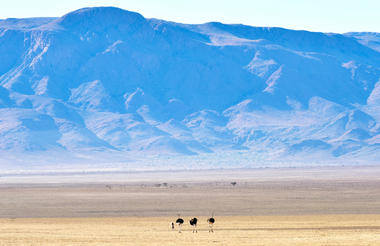
Windhoek, Namibia’s capital, lies in the heart of the country amid the rolling Khomas Highlands, where wide skies and dry savannah frame a compact, orderly city. It blends German colonial heritage with contemporary African identity, creating a calm, understated atmosphere rather than a bustling metropolis. Landmarks such as Christuskirche and the Tintenpalast sit alongside modern civic buildings, while lively markets and cafés reveal everyday Namibian life. Visitors can explore museums, stroll shaded streets, or use the city as a gateway to the surrounding wilderness and safari regions. The air is often dry and clear, carrying the scent of dust and jacaranda blossoms, while distant hills glow at sunset. Windhoek offers a gentle introduction to Namibia’s landscapes and culture, with space, light and quiet defining its appeal.


