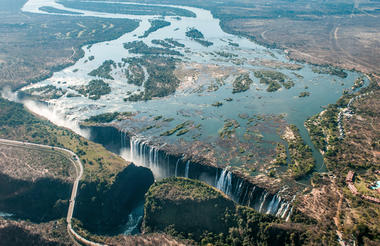
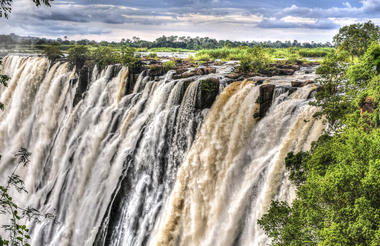
One of the original natural wonders of the world, the Victoria Falls is a World Heritage Site and an extremely popular tourism attraction. Known locally as ‘The Smoke that Thunders’ this spectacle is accessible from both Zambia and Zimbabwe and it is an ideal place to combine game viewing and water sports. There is excellent fishing, a terrifying bungee jump and arguably the best commercial white water rafting in the world.
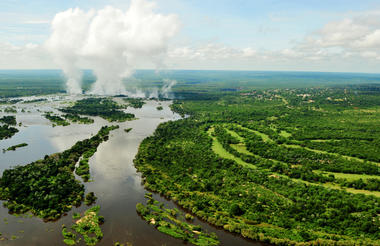
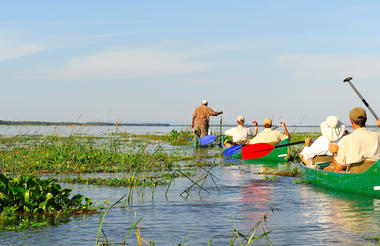
Located in southern Zambia along the border with Zimbabwe, the Lower Zambezi region is renowned for its spectacular wilderness and the wildlife-rich Lower Zambezi National Park. One of Africa’s most unspoilt safari destinations, the area is characterised by vast floodplains, indigenous woodlands, and the mighty Zambezi River, which supports an abundance of wildlife. Visitors can expect to see elephants, hippos, buffalo, crocodiles, fish eagles, and a variety of other species in their natural habitat. The region offers a diverse range of safari experiences, including game drives, guided walking safaris, canoe excursions along the river, and some of the finest tiger fishing opportunities in Africa.
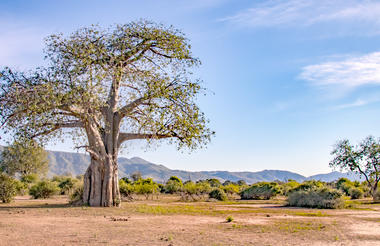
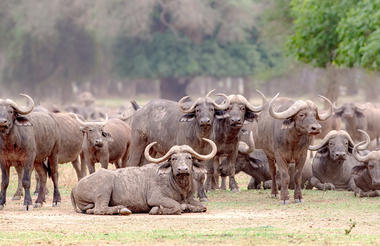
Bordering the Luangwa River in eastern Zambia, South Luangwa National Park is one of Africa’s most celebrated wildlife destinations, renowned for its unspoilt wilderness, exceptional biodiversity, and successful conservation efforts. The park supports thriving populations of elephant, lion, leopard, buffalo, hippo, giraffe, and numerous antelope species, along with more than 400 bird species. Widely regarded as the birthplace of the walking safari, South Luangwa offers visitors the rare opportunity to explore the bush on foot under the guidance of experienced armed guides, providing an intimate perspective of the surrounding wildlife and ecosystems. Traditional game drives, seasonal boating, and outstanding opportunities for photography and birdwatching further enhance the experience. Combined with the scenic Luangwa River, the park delivers one of Africa’s most authentic and unforgettable safari adventures.
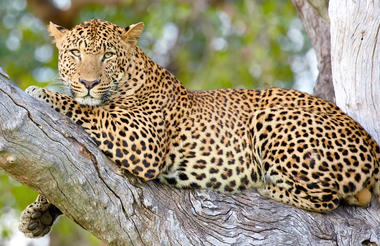
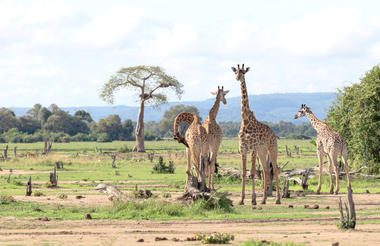
Dedza District is a large area in Malawi’s Central Region, best known for its four forest reserves. Of these, the most exceptional is Chongoni, which encompasses an archaeological area featuring over 100 ancient rock art sites. Scientists believe these were made in the Stone and Iron Ages, constituting the most significant collection of cave paintings in Central Africa. Dedza Mountain is a popular hiking spot - it stands at over 2 000 metres and takes about two hours to reach the top. At the base of the mountain lies the capital of the region, Dedza City, surrounded by forested hills. It is a convenient place to stock up on essentials and buy local pottery, for which the area is famous.


Mozambique becomes increasingly wilder and more beautiful further north, yet it still offers luxury and exclusivity for those who desire it. The city of Pemba offers exquisite sandy beaches where visitors can walk for miles without encountering another soul, while just a short boat trip off the mainland will take you to hundreds of small islands. Among the most captivating of these islands is the tiny ‘Mozambique Island’, a 500-metre-wide three-kilometre-long crescent-shaped islet dotted with historical churches, chapels, palaces, forts and mosques. The idyllic Quirimbas Archipelago features white-sand beaches lapped by turquoise waters surrounded by coral reefs teeming with marine life.


Vilankulos is a relaxed coastal town on Mozambique’s Indian Ocean shoreline, best known as the main gateway to the Bazaruto Archipelago. Fringed by palm trees and wide sandy beaches, it has a gently worn, working seaside feel where fishing boats pull in with the tide, and dhows drift across blue horizons. Offshore, the Bazaruto islands offer some of southern Africa’s most striking marine scenery, with coral reefs, shifting dunes and clear waters suited to snorkelling, diving and dhow sailing, often alongside sightings of dolphins, turtles and dugongs. Onshore, simple lodges, markets and sandy lanes reflect a low-key pace of life. Salt air, heat and ocean breeze define the sensory experience, while sunsets wash the coast in deep orange and gold. Vilankulos blends relaxed coastal life with direct access to one of the Indian Ocean’s most remarkable marine environments.