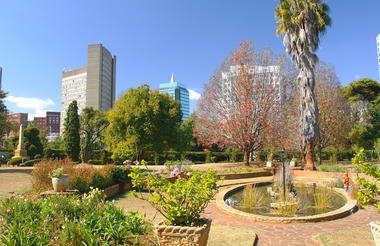
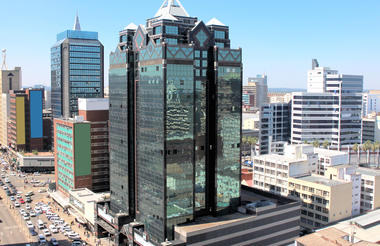
Set in south-western Zimbabwe, Bulawayo is known for its broad, jacaranda-lined streets, historic architecture, and a slower, more relaxed pace than the capital. Often regarded as the country’s cultural heart, the city offers a blend of colonial-era landmarks, lively markets and strong Ndebele heritage. Visitors can explore museums, railway history and local craft workshops, or use the city as a gateway to nearby attractions such as Matobo National Park, where balancing granite hills, ancient rock art and roaming wildlife create a striking landscape. The atmosphere is warm and unhurried, with the scent of dust after summer rain, late-afternoon light on red-brick buildings and the distant sound of township music carrying through the streets.


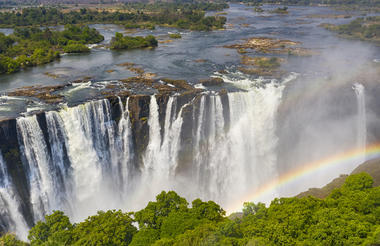
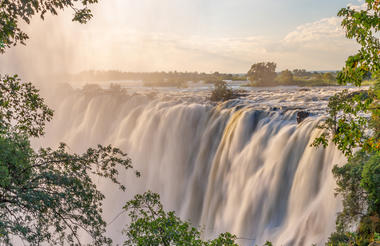
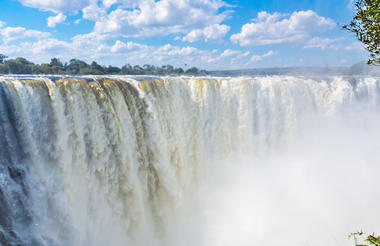
Known locally as Mosi-oa-Tunya—“The Smoke That Thunders”—Victoria Falls is one of the world’s great natural landmarks. Straddling the Zambezi River between Zambia and Zimbabwe, it forms a vast curtain of water that fills the air with mist and sound. The Zimbabwean side grants the most dramatic views, where mist rises like ghostly curtains and rainbows arc through the spray. Measuring about 1,708 metres across, it is regarded as the largest single continuous sheet of falling water on Earth. The adjacent town of Victoria Falls provides a convenient base for exploring the region, with a wide range of activities from scenic flights and microlight trips to white-water rafting, bungee jumping, kayaking, and safaris into Chobe National Park.
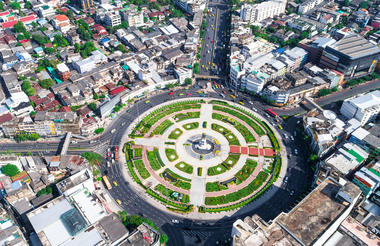
Situated on Zambia’s central plateau, Lusaka is the country’s cosmopolitan capital, known for its vibrant atmosphere, modern development, and dynamic urban character. As Zambia’s economic, political, and transport hub, Lusaka combines modern development with a rich cultural heritage. Wide, tree-lined boulevards are lined with hotels, guest houses, restaurants, cafés, shopping centres, and entertainment venues, reflecting the city’s dynamic character. Visitors can explore attractions such as the Henry Tayali Art Gallery, which showcases contemporary Zambian art, and the National Museum, which highlights the country’s history and culture. Other popular sites include the Lilayi Elephant Nursery, dedicated to the rescue and rehabilitation of orphaned elephants, and several bustling local markets. Nature enthusiasts should not miss Munda Wanga Environmental Park, home to a wildlife sanctuary, botanical gardens, recreational facilities, and an environmental education centre, offering a peaceful escape from the city's energetic pace.
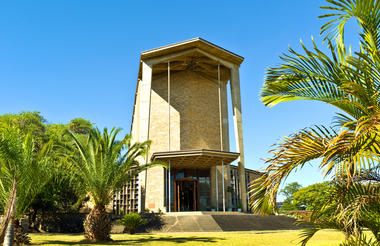
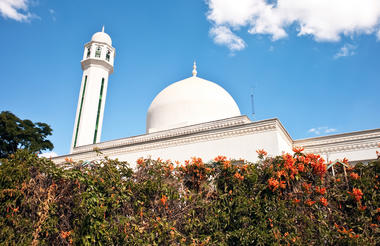
Zimbabwe’s capital city is the country’s most cosmopolitan and contemporary destination, dotted with restaurants and bars, shops and markets. Its proud historical and cultural heritage is reflected in several well-preserved old buildings and informative museums, while its many parks and gardens provide a pleasant contrast to the bustling urban sectors. Located within easy reach of the city centre are the Mukuvisi Woodlands, comprising over 250 hectares of rich natural wilderness, while the magnificent Kopje – a rocky hill to the southwest of Harare – offers great views over the city. Other city highlights include the fascinating National Gallery of Zimbabwe, the abundant Zimbabwe Museum of Human Sciences, the Chapungu Sculpture Park, and the gorgeous National Botanic Garden, filled with a variety of rare African plants as well as exotic plants from around the world.