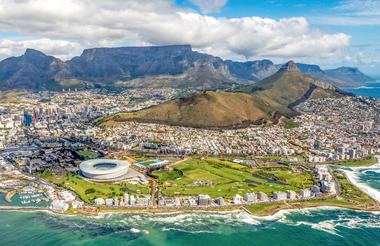
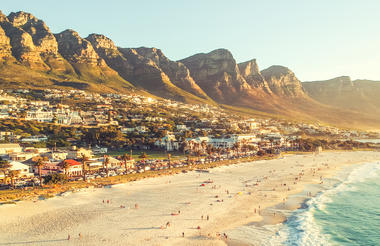
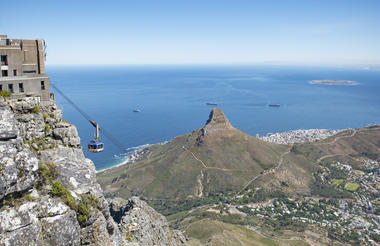
Set at the confluence of the Indian and Atlantic oceans and backed by the iconic Table Mountain, the bustling city of Cape Town presents an alluring combination of drawcards. Incredible powdery white beaches, highly acclaimed wine routes, and astonishingly beautiful mountain trails surround a cosmopolitan hub. This diverse metropolis is filled with superb shops and restaurants, extraordinary heritage monuments, a multitude of entertainment venues, and a spectacular, chic waterfront harbour. Highlights include the Zeitz Museum of Contemporary African Art; Table Mountain's jaw-dropping views; Boulders Beach, where penguins might swim right up to you in the warm Indian ocean waters; the Kirstenbosch Botanical Gardens, where you can walk along a treetop canopy among incredible native flora or watch an open-air concert at the base of the mountain; Robben Island, where visitors can see the cell where Nelson Mandela was imprisoned for 18 years; and many more.
Set within the rugged mountains of the Western Cape, the Cederberg is a remote wilderness of burnt-orange rock formations, ancient San rock art, and wide valleys scented with fynbos after rain. The atmosphere is quiet and elemental, shaped by dramatic cliffs, star-filled skies, and long stretches of untamed landscape. Travellers come for hiking through sandstone trails, swimming in natural rock pools, and discovering formations such as the Maltese Cross and Wolfberg Arch. Rooibos tea farms and small rural communities add a distinctly local character to the region. While summer days can be intensely hot and distances between attractions are considerable, the Cederberg rewards visitors with solitude, crisp mountain air, and a rare sense of stillness far from South Africa’s busier destinations.


Rising from the beautiful Drakensberg Mountains in Lesotho, forming part of the international border between South Africa and Namibia, the Orange River is the longest river in South Africa. The Orange River Basin extends into Namibia and northern Botswana. The river snakes its way through one of Southern Africa’s harshest environments bringing life to an area of sheer rugged beauty. Aside from vineyards in the desert the river also creates a mobile playground from which to explore the area. This spectacular river created the diamond dune fields along Namibia's coast, by washing diamonds downstream from the Kimberly region over millions of years. Visitors can look forward to excellent whitewater rafting, canoeing, and kayaking, as well as wonderful river cruises which allow excellent views of the surroundings.


Set amidst the arid terrain near Keetmanshoop are the ancient quiver trees, a striking Southern African phenomenon with twisted branches reaching towards the sky. These tall and photo-friendly trees, reaching up to eight metres, exhibit a unique dichotomous branching pattern, creating a distinctive candelabra-like silhouette. Slow-growing, some specimens in the forest are estimated to be 200-300 years old, thriving in the harsh climate by storing water in their thick trunks and fleshy leaves. Protected as a national monument in Namibia, the Quiver Tree Forest holds both ecological and cultural significance, with its smooth grey bark and fibrous wood once used by the San people for quivers. Nearby, the Giant's Playground, a geological wonder of large dolerite boulders, boasts a unique feature of appearing haphazardly stacked, as if by a giant child. A nearby rest camp provides a comfortable base for travellers keen to experience Namibia's surreal natural landscapes firsthand.


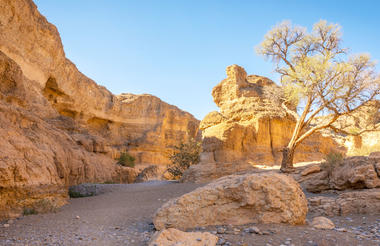
As there is no accommodation at Sossusvlei, visitors to this desert wilderness are likely to end up staying at Sesriem, 65 kilometres away, where camps and lodges serve as a base from which to explore the dunes. Sesriem Canyon, a deep chasm carved through the rocks by water, is a striking natural feature of the area that is best explored on foot. Stony walls rise up sharply on both sides of the canyon, while birds roost in its crags and lizards dart along the ledges. The canyon’s name was coined when early settlers used it as a water source, using six lengths of leather (‘ses riem – six thongs) tied together to lower buckets into the water at the base of canyon.)
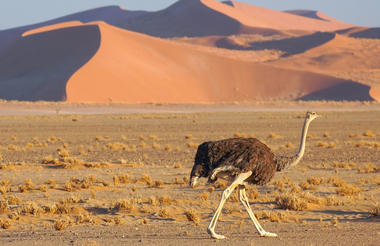
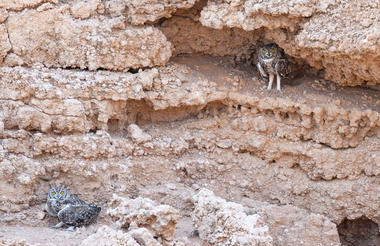
Set between the rolling dunes of the Namib Desert and the icy Atlantic coastline, Swakopmund is a relaxed seaside town in western Namibia known for its German colonial architecture, cool coastal climate, and adventurous spirit. Palm-lined streets, historic buildings, and ocean fog create an atmosphere unlike anywhere else in the country. Travellers visit for desert activities such as quad biking, sandboarding, and scenic flights over vast dunes and shipwreck-strewn shores. Cafés, bakeries, and small museums add to the town's laid-back charm, though the Atlantic waters are brisk rather than tropical. With its striking desert-meets-ocean setting and mix of adventure and history, Swakopmund is one of Namibia's most distinctive destinations.


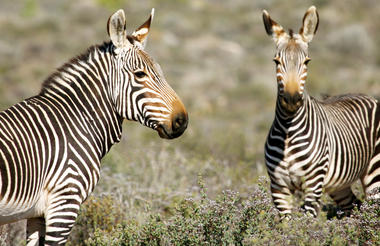
Situated in northwestern Namibia, the Brandberg, meaning 'Fire Mountain', Massif is Namibia’s highest peak, at its zenith, the Königstein (King’s Stone), standing at a whopping 2573 metres above sea level. Named for the vivid shade of orange it sometimes turns at sunset, this is undoubtedly the main highlight of the region. The Brandberg has been sacred to the San people for centuries. The Tsisab Ravine at its base is permeated with over 45 000 ancient San rock paintings, including the famous ‘White Lady’. Visitors flock here to view this unique bushman painting, said to be over 2000 years old. Other popular drawcards include its untouched natural beauty and its free-roaming wildlife such as mountain zebra, kudu, springbok, and desert elephant.
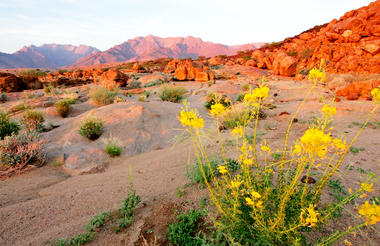
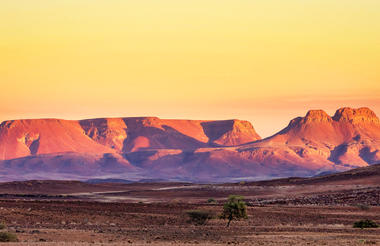
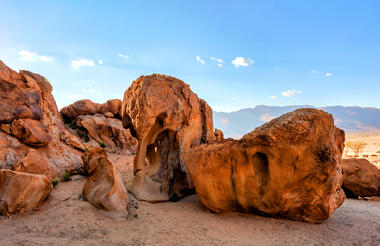
Situated along the southern boundary of Etosha National Park in northwestern Namibia, Etosha South encompasses the park's southern safari region and a collection of private game reserves and lodges. The park is accessed via Andersson Gate, placing visitors within easy reach of renowned waterholes and excellent wildlife viewing. Lions, elephants, giraffes, white and black rhinos, and a wide variety of antelope are among the species commonly seen. Guided 4×4 game drives are the main attraction, with half- and full-day safaris available, some including picnic lunches in the bush.


Windhoek, Namibia’s capital, lies in the heart of the country amid the rolling Khomas Highlands, where wide skies and dry savannah frame a compact, orderly city. It blends German colonial heritage with contemporary African identity, creating a calm, understated atmosphere rather than a bustling metropolis. Landmarks such as Christuskirche and the Tintenpalast sit alongside modern civic buildings, while lively markets and cafés reveal everyday Namibian life. Visitors can explore museums, stroll shaded streets, or use the city as a gateway to the surrounding wilderness and safari regions. The air is often dry and clear, carrying the scent of dust and jacaranda blossoms, while distant hills glow at sunset. Windhoek offers a gentle introduction to Namibia’s landscapes and culture, with space, light and quiet defining its appeal.


Situated 300 kilometres southwest of Maun and just north of the Trans-Kalahari highway, which runs from Lobatse in Botswana to Walvis Bay in Namibia, the small town of Ghanzi is sometimes referred to as the 'Capital of the Kalahari'. It serves as the administrative centre of the Ghanzi district which covers a vast area of cattle ranches and farmland in the west of Botswana. The Ghanzi area has a number of lodges that focus on cultural tourism as well as wildlife viewing - here you can experience the fascinating world of the San Bushmen as they explain to you how they forage, hunt and find water in this harsh environment.


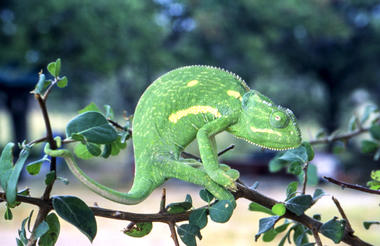
Guma Lagoon is found in the northern reaches of Botswana. This wonderful retreat on the banks of the Okavango River is a dream destination for animal lovers and outdoor enthusiasts, providing a range of sights and activities. Not only can visitors enjoy premium bird watching with over 200 native species and freshwater fishing opportunities, both spin and fly-fishing; but Guma Lagoon is also a fantastic base for self-guided game drives and traditional dug-out canoe (mokoro) tours, which allow you to navigate the palm islands and waterlily beds of the scenic Okavango. Other key activities include bush walks, forest trails and stargazing. Finally, note that accommodation is provided exclusively through Guma Lagoon Camp – and so advance booking, particularly for the self-catering units, is highly recommended.


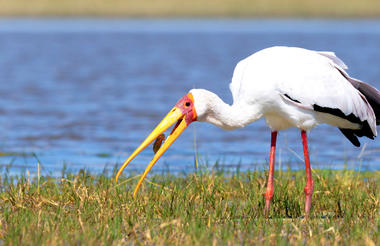
Situated on the southern edge of the Okavango Delta in northwestern Botswana, Maun is a laid-back safari town known as the gateway to one of Africa’s most remarkable wilderness regions. Dusty streets, scattered palms, and the slow-moving Thamalakane River give the town a relaxed frontier atmosphere, where safari vehicles and small bush planes are part of daily life. Travellers come to experience mokoro excursions through reed-lined delta channels, scenic flights above shimmering floodplains, and wildlife safaris into nearby game reserves. While Maun itself is functional rather than polished, its blend of local culture, open landscapes, and close access to untamed wilderness makes it an atmospheric and rewarding base for exploring the Okavango region.


Situated 180 kilometres north of Francistown, the small village of Nata is a popular stopover between Maun and Kasane along the ‘game drive route’ (there is often a chance to catch a glimpse of wildlife along the way). The unique surrounding landscapes feature white sand, tall termite mounds, and Mokolwane palm trees. The Nata Sanctuary is a particular highlight for avid bird watchers, where lucky visitors can be rewarded with large flocks of Flamingos and Pelicans, which breed here each year. The town is also a perfect base for exploring the legendary and spectacular Makgadikgadi Pans, where quad biking and four-wheel-drive tours can be enjoyed.
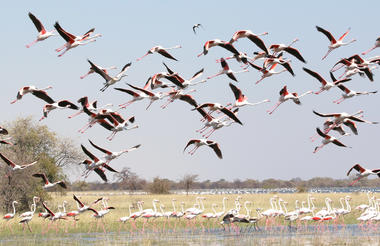
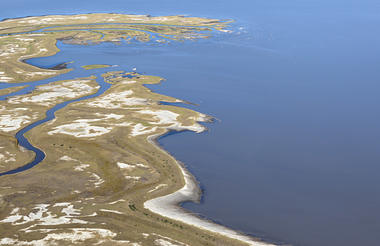
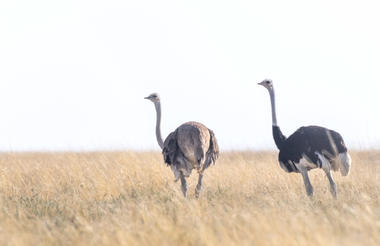
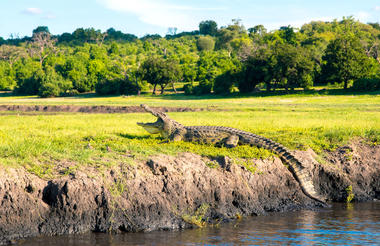
Situated in northeastern Botswana on the banks of the Chobe River, the town of Kasane is the main gateway to Chobe National Park and one of southern Africa's premier safari destinations. Renowned for its exceptional wildlife viewing, Kasane offers game drives and river cruises where visitors can encounter large herds of elephants, buffalo, hippos, and crocodiles, as well as abundant birdlife. Its location near the borders of Botswana, Namibia, Zambia and Zimbabwe also makes it a convenient base for exploring the wider region. Golden sunsets reflected on the river, the sounds of wildlife and a relaxed safari atmosphere combine to make Kasane an unforgettable destination for nature lovers.
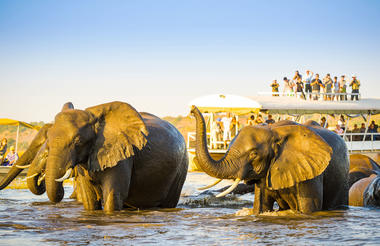
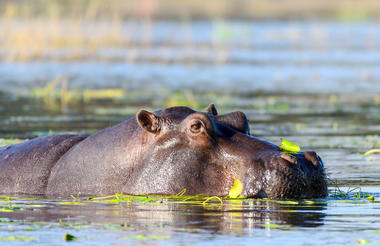
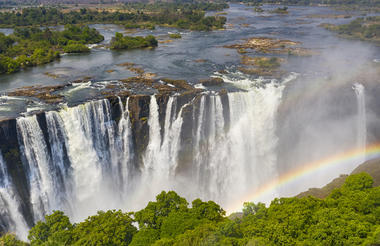
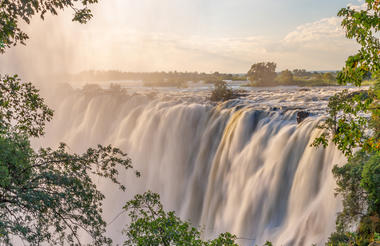
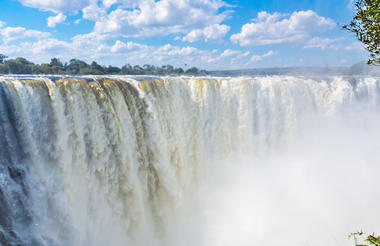
Known locally as Mosi-oa-Tunya—“The Smoke That Thunders”—Victoria Falls is one of the world’s great natural landmarks. Straddling the Zambezi River between Zambia and Zimbabwe, it forms a vast curtain of water that fills the air with mist and sound. The Zimbabwean side grants the most dramatic views, where mist rises like ghostly curtains and rainbows arc through the spray. Measuring about 1,708 metres across, it is regarded as the largest single continuous sheet of falling water on Earth. The adjacent town of Victoria Falls provides a convenient base for exploring the region, with a wide range of activities from scenic flights and microlight trips to white-water rafting, bungee jumping, kayaking, and safaris into Chobe National Park.