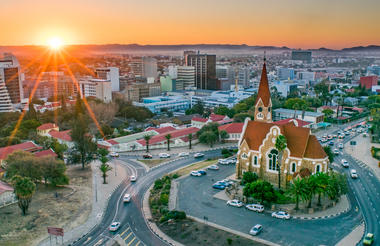
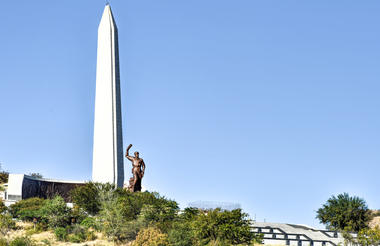
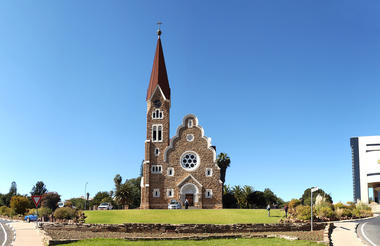
Situated in Central Namibia, the cosmopolitan city of Windhoek serves as the capital of the country. It is home to an international airport and a plethora of restaurants, shops, entertainment venues and accommodation options. The city is clean, safe and well-organised, with a colonial legacy that is reflected in its many German eateries and shops, and the widespread use of the German language. Windhoek has an interesting mix of historical architecture and modern buildings, many of which are worth a look, including the Alte Feste an old fort, the 1896 Christuskirche Christ Church, and the more contemporary Supreme Court.
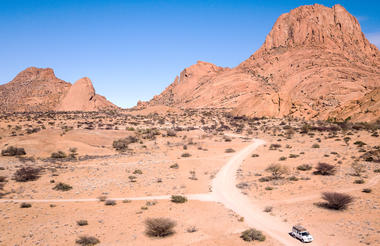
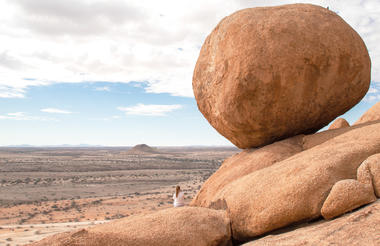
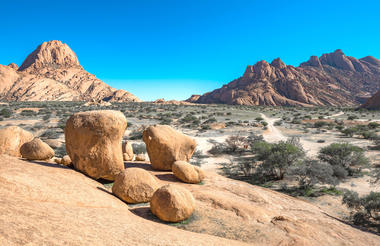
Situated in Namibia’s desolate, awe-inspiring Namib Desert, between Usakos and Swakopmund and about two hours’ drive from Swakopmund, the Spitzkoppe are a group of bald granite peaks forming one of Namibia’s most recognizable and dramatic landmarks. These enormous towering domes are a mecca for hikers and mountaineers, from beginners interested in guided historic walks to professional climbers seeking an adrenaline boost. Numerous ancient rock paintings can be visited as part of a guided walking tour. The extreme, barren landscapes and striking rock formations create an excellent setting for photography.
Set between the rolling dunes of the Namib Desert and the icy Atlantic coastline, Swakopmund is a relaxed seaside town in western Namibia known for its German colonial architecture, cool coastal climate, and adventurous spirit. Palm-lined streets, historic buildings, and ocean fog create an atmosphere unlike anywhere else in the country. Travellers visit for desert activities such as quad biking, sandboarding, and scenic flights over vast dunes and shipwreck-strewn shores. Cafés, bakeries, and small museums add to the town's laid-back charm, though the Atlantic waters are brisk rather than tropical. With its striking desert-meets-ocean setting and mix of adventure and history, Swakopmund is one of Namibia's most distinctive destinations.


Located in Central Namibia, the Naukluft Mountains cut a fine silhouette against the vast open skies of this incredibly beautiful country. Private farms occupy the northern reaches and to the south, the range falls within the spectacular Namib-Naukluft National Park. Rising steeply from the vast plains of Central Namibia, the rugged landscape holds a fascinating history, interesting geology and a boasts a variety of deep gorges, caves, small streams and beautiful waterfalls. These mountains support an array of wildlife including over 50 mammal species such as leopard, mountain zebra; various antelope species and almost 200 species of bird. Popular activities include: game viewing, hiking, bird watching, camping, off-roading in a four-wheel drive and swimming in the spectacular rock pools at the Kudusrus campsite.
Set in the heart of eastern Namibia’s ‘Cattle Country’, the town of Gobabis is the district capital of the Omaheke region. This town features a rich heritage and cultural diversity. It is the centre of a thriving cattle farming area and has earned the nickname the ‘Little Texas’ of Namibia. Like most towns in Namibia, Gobabis has an interesting history, which is documented in the local Gobabis Museum. Opened on request, visitors will find a collection of historic artefacts inside, while old agricultural implements are displayed on the grounds. Visitors can also view the beautiful traditional dress of the local Herero and Damara women while strolling through town, enjoy excellent bird watching in the surrounding areas and jump on the back of a traditional Damara-nama donkey cart for a ride. Don’t miss a visit to the Harnas Wildlife Foundation, a sanctuary for big cats and a variety of endangered wildlife.


Situated 300 kilometres southwest of Maun and just north of the Trans-Kalahari highway, which runs from Lobatse in Botswana to Walvis Bay in Namibia, the small town of Ghanzi is sometimes referred to as the 'Capital of the Kalahari'. It serves as the administrative centre of the Ghanzi district which covers a vast area of cattle ranches and farmland in the west of Botswana. The Ghanzi area has a number of lodges that focus on cultural tourism as well as wildlife viewing - here you can experience the fascinating world of the San Bushmen as they explain to you how they forage, hunt and find water in this harsh environment.


Situated on the southern edge of the Okavango Delta in northwestern Botswana, Maun is a laid-back safari town known as the gateway to one of Africa’s most remarkable wilderness regions. Dusty streets, scattered palms, and the slow-moving Thamalakane River give the town a relaxed frontier atmosphere, where safari vehicles and small bush planes are part of daily life. Travellers come to experience mokoro excursions through reed-lined delta channels, scenic flights above shimmering floodplains, and wildlife safaris into nearby game reserves. While Maun itself is functional rather than polished, its blend of local culture, open landscapes, and close access to untamed wilderness makes it an atmospheric and rewarding base for exploring the Okavango region.


Situated in the east of the Okavango Delta, Moremi Game Reserve ranks as one of the most beautiful reserves in Africa. It covers more than 4871 square kilometres of pristine wilderness, and this varied terrain includes savannah, winding waterways, and dense forest. The diverse ecosystem supports an incredibly wide spectrum of wildlife, ranging from large herds of buffalo, wildebeest and zebra, to the rare sitatunga and lechwe antelope, lion, cheetah and packs of wild dog in the open grasslands. The birdlife is prolific and includes most of the 550 bird species recorded on Botswana’s national bird list. A range of luxury lodges in the reserve offers visitors the perfect base to experience this corner of paradise.
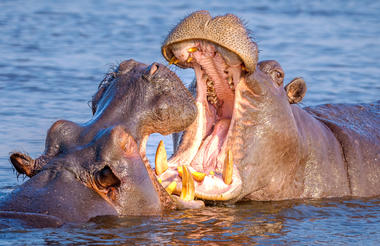
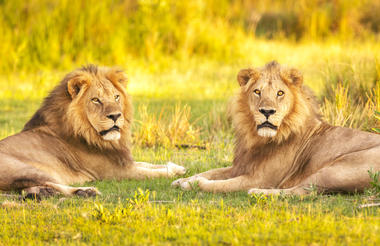
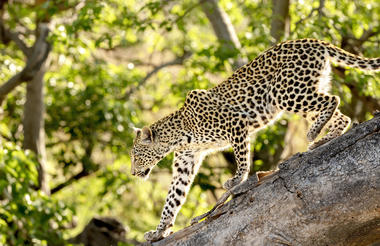
The Khwai area of the Okavango lies along the northern boundary of the Moremi Game Reserve. Khwai Community Area has unfenced boundaries allowing wildlife to move freely between the woodlands in the wet season when water is plentiful and back to permanent rivers and lagoons in the dry season. The Khwai area offers the same wildlife experience as the Moremi Game Reserve with the added advantage of being a private concession, which means the ability to do walking safaris and night drives. Don't miss the opportunity to soak up beautiful views of the scenic landscape and spot an array of wildlife.


Savuti, also known as Savute lies in the heart of Botswana’s beautiful Chobe National Park.
This dynamic wilderness is a sweeping expanse of savannah brooded over by several rocky outcrops which guard a relic marsh and the dry channel that was once its lifeline. The Savute goes through wet and dry cycles, where wild dogs hunt in the dry river channel where crocodiles swam only twenty years ago. Visitors to this spectacular area can spot abundant wildlife including: a variety of birds, elephants, antelope, lion prides, black-backed jackal, bat-eared foxes, tsessebe, kudu, hyena, cheetah Cape buffalo herds, and thousands of migrating zebra and wildebeest.
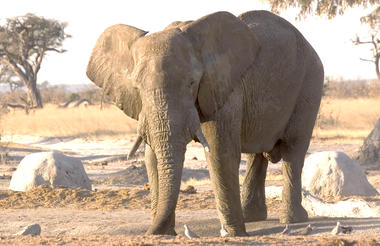
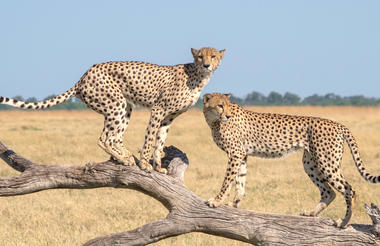
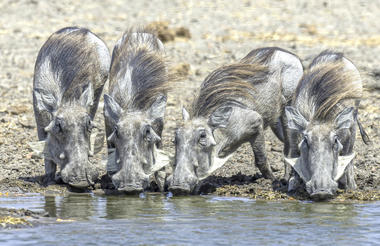
The Chobe River forms the northern boundary of the Chobe National Park which is renowned for its diverse and abundant game viewing opportunities. This section of the park is best known for its dense concentration of wildlife, including elephant and hippo populations, but the waters attract all manner of game including large herds of buffalo and the lions that prey on them - a visit to the Chobe River Front guarantees close encounters with an array of African wildlife. Visitors can look forward to a range of exciting activities such as 4WD along the banks; motorboat cruises; and rare birdlife spotting. For a unique, luxury safari experience, hire a houseboat.


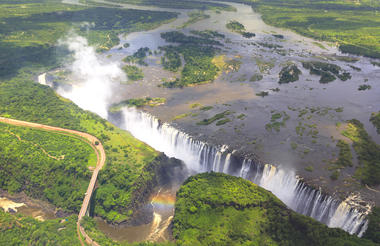
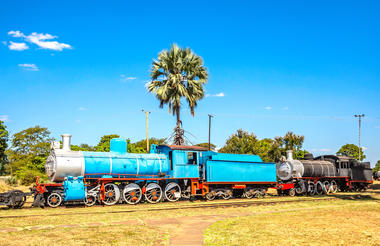
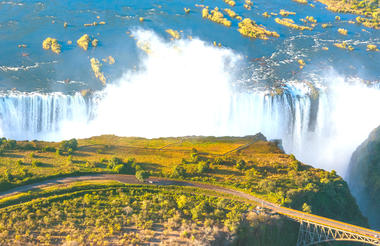
Zambia’s flourishing border town, Livingstone, or Maramba, is situated in the South Province of the country. The British colonial city is a tourism centre for the nearby Victoria Falls, Mosi-oa-Tunya National Park, and the Zambezi River. Continuously growing, this romantic destination is rich in culture and history, with a host of adrenaline-infused experiences to choose from including bungee jumping, abseiling, gorge swinging, white water rafting, kayaking, canoeing, and jet boating. For visitors seeking a more relaxed experience, there are countless other activities on offer too. Visit the fascinating Livingstone Museum, take a helicopter flight over the roaring fall, or experience a superb game drive in the UNESCO-listed Mosi-oa-Tunya National Park, home to African elephants, hippopotamus, and an impressive variety of bird species.