


Uganda, often referred to as the ‘Pearl of Africa’, is a land of striking natural beauty, characterised by dry savanna plains in the north, verdant mountains in the west, and dense, lush forests in the central region. The country is home to an extraordinary diversity of wildlife, including the highly endangered mountain gorilla found in the Bwindi Impenetrable Forest. One of the nation’s premier safari destinations, Queen Elizabeth National Park, is home to four of the Big Five, colourful flamingos, and the rare tree-climbing lions of Ishasha. Adventure seekers can enjoy white-water rafting, kayaking, hiking, quad biking and horse riding, while visitors to the lively capital can experience a growing cultural scene, vibrant nightlife and excellent restaurants. Combined with its warm hospitality, it is easy to see why Uganda is regarded as one of Africa’s friendliest destinations.
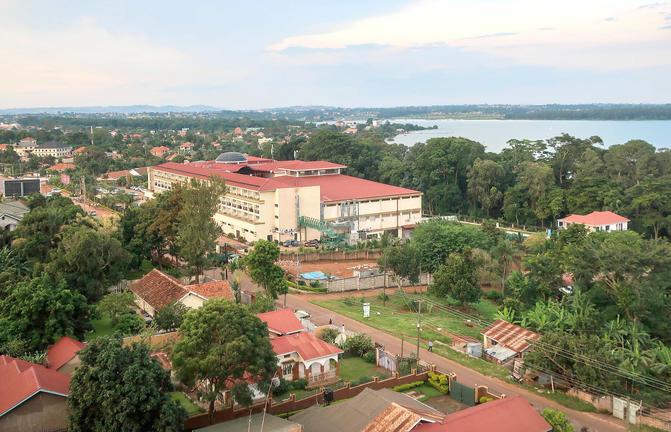
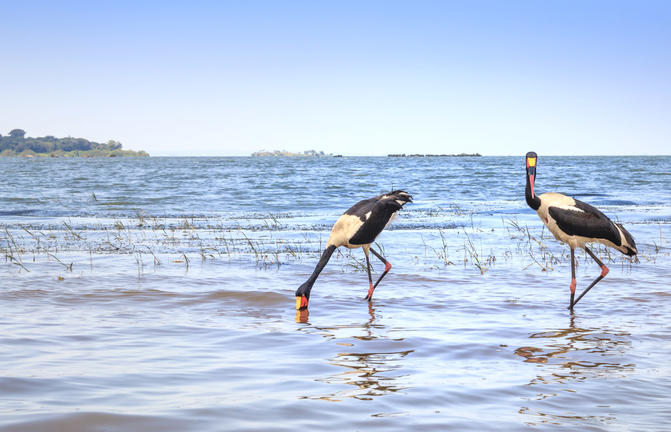
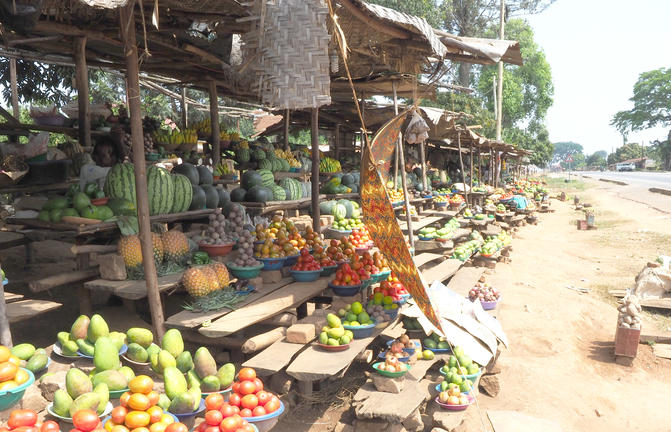

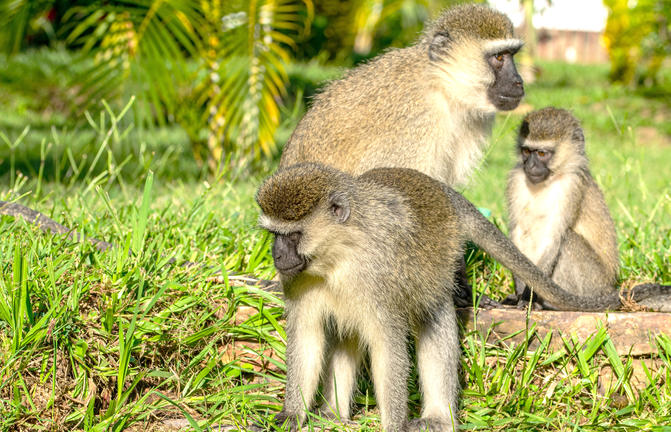
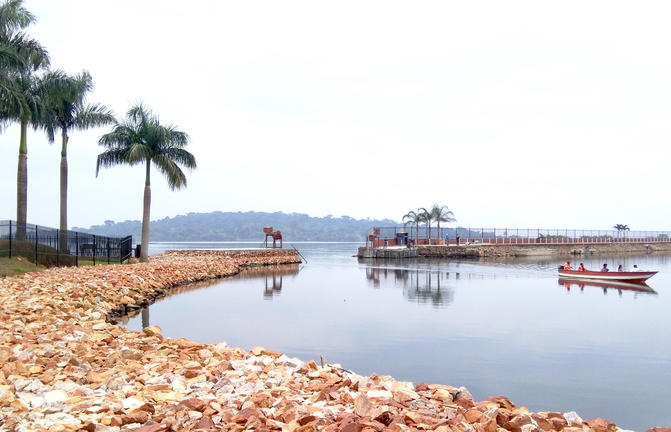
Entebbe sits on a peninsula along the northern shores of Lake Victoria in central Uganda, offering a calm, green retreat within easy reach of the country’s main international airport. Its character is defined by palm-lined roads, botanical gardens and a relaxed lakeside atmosphere that feels far removed from the pace of larger cities. Visitors can cruise across Africa’s largest lake, spot rare shoebills in nearby wetlands, or explore wildlife conservation centres that provide insight into Uganda’s remarkable biodiversity. The sight of fishing boats drifting across sunlit waters, the rustle of lakeside trees and the calls of colourful birds create a soothing backdrop throughout the day. Entebbe is not a bustling urban destination; its appeal lies in nature, tranquillity and unhurried exploration.
On the eastern bank of the Albert Nile, Pakuba occupies a quiet stretch of gently elevated land where open savannah meets patches of riverine forest. From this ridge, the landscape extends toward the river below, which flows north from Lake Albert into South Sudan. Scattered acacia trees and low hills provide habitat for wildlife such as hippos, elephants, and giraffes, often seen near the water or moving across the plains. Pakuba serves as a convenient base for visiting Murchison Falls National Park, with easy access to boat trips on the Nile and guided game drives through the surrounding area. Late afternoons bring cooler air, soft light, and the distant sounds of wildlife.


Imposing cone-shaped hills cradle tranquil calderas in the enchanting Ndali-Kasenda Crater Lakes in Western Uganda near Kibale Forest and Queen Elizabeth National Parks. Formed about 8-10,000 years ago by volcanic activity, these craters now hold a variety of lakes. Some boast clear, blue water, while others remain emerald green with a sulfuric odour due to residual volcanic gases. Lush vegetation cloaks the crater rims, offering views of nearby hills, tea plantations, and even the Rwenzori Mountains on clear days. While some lakes are safe for swimming, others contain toxic water and should be avoided. Activities around the lakes include nature walks, boat rides, bird-watching and visiting the "Top of the World" viewpoint for panoramic vistas.
Occupying the southern reaches of Queen Elizabeth National Park, this quieter safari region is defined by expansive grasslands, scattered fig trees and the wildlife-rich plains of the Ishasha sector. Best known for its famous tree-climbing lions, the area offers one of Africa's most distinctive safari experiences, with these remarkable predators often seen resting high up in the sprawling branches. Game drives may also reveal elephants, buffalo, Uganda kob and a variety of antelope, while the region's diverse birdlife attracts keen birdwatchers. Golden grasslands stretch towards distant hills, punctuated by acacia trees and the calls of birds carried on the warm breeze. Southern Queen Elizabeth National Park is ideal for travellers seeking a quieter safari experience with exceptional wildlife and dramatic natural scenery.


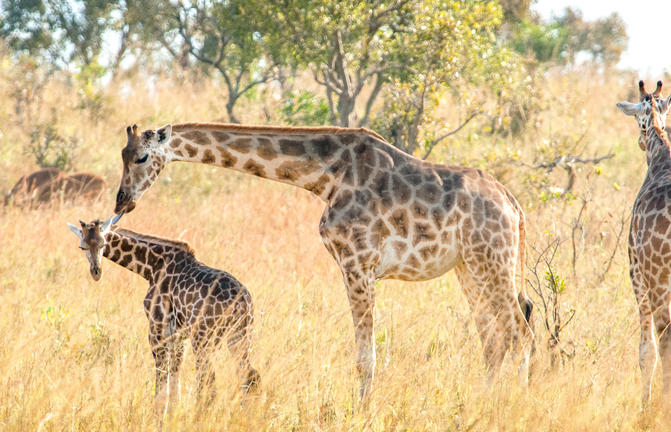
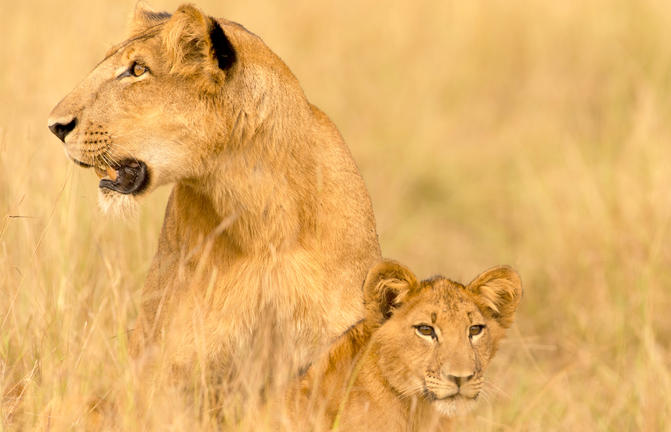

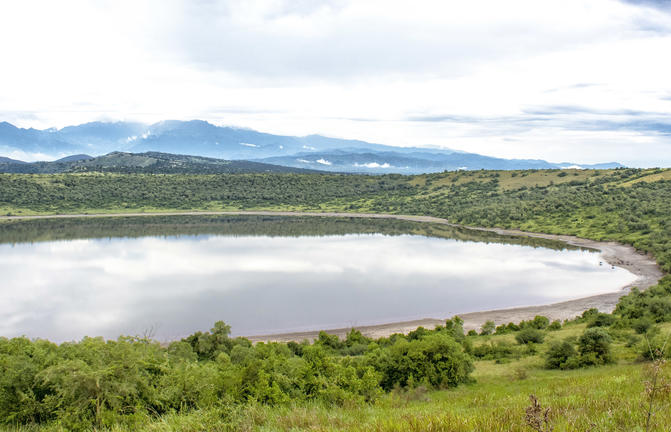


Located in southwestern Uganda, in the Kisoro District, the Mgahinga Gorilla National Park forms part of the much larger Virunga Conservation Area. This wilderness sanctuary was created to protect the rare mountain gorillas that inhabit its dense forests. The striking landscape boasts three conical volcanoes, which are a part of the magnificent Virunga Range at the fringes of Uganda, Rwanda, and Congo. Aside from the main attraction - the mountain gorillas - the park is home to buffaloes, elephants, endangered golden monkeys and many bird species. The three extinct volcanoes offer plenty of hiking trails.
Situated in southwestern Uganda, Lake Mburo National Park is a compact and easily accessible gem, renowned for its striking biodiversity. Nearly seventy mammal species and more than 300 bird species thrive in its mix of forests, swamps and rolling grasslands. The landscape blends open savanna with rocky ridges, forested gorges and pockets of dense woodland, creating a rich habitat for wildlife. Crocodiles, hippos and abundant water birds gather around the park’s five lakes, with Lake Mburo the largest. Visitors frequently spot impala, oribi, eland, zebra, buffalo, Defassa waterbuck, reedbuck, hyena and occasionally leopard. It’s a rewarding destination for travellers seeking varied scenery and accessible wildlife viewing.


