


Windhoek, Namibia’s capital, lies in the heart of the country amid the rolling Khomas Highlands, where wide skies and dry savannah frame a compact, orderly city. It blends German colonial heritage with contemporary African identity, creating a calm, understated atmosphere rather than a bustling metropolis. Landmarks such as Christuskirche and the Tintenpalast sit alongside modern civic buildings, while lively markets and cafés reveal everyday Namibian life. Visitors can explore museums, stroll shaded streets, or use the city as a gateway to the surrounding wilderness and safari regions. The air is often dry and clear, carrying the scent of dust and jacaranda blossoms, while distant hills glow at sunset. Windhoek offers a gentle introduction to Namibia’s landscapes and culture, with space, light and quiet defining its appeal.
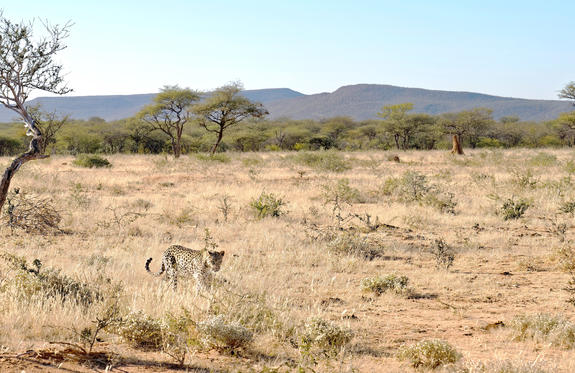
Situated between Namibia’s capital city of Windhoek and the renowned Etosha National Park, Okonjima Nature Reserve is a 22,000-hectare wilderness sanctuary celebrated for its conservation efforts and exceptional wildlife experiences. The reserve is home to the renowned AfriCAT Foundation, which focuses on the protection and rehabilitation of Namibia’s carnivores, particularly leopards, cheetahs, and other threatened species. Set against a backdrop of rolling plains, rocky outcrops, and acacia woodland, Okonjima offers visitors the opportunity to gain unique insight into conservation initiatives while enjoying outstanding game viewing. Activities include guided carnivore tracking excursions, leopard-spotting safaris, off-road night drives, birdwatching, and cultural experiences along the Bushmen Trail. Accommodation ranges from luxury lodges and private villas to intimate bush camps, providing a memorable base from which to explore this remarkable reserve.

Situated in northwestern Namibia, the Etosha National Park offers a premier game viewing experience. The park’s diverse vegetation ranges from dense bush to open plains attracting a variety of wildlife. Located in the heart of the park is the Etosha Pan - a shallow depression that covers an area of 5000 square kilometres. Dry and shimmering for most of the year, the pans fill up with water after seasonal rains, making it the perfect habitat for wildlife. In the dry season, the wildlife is attracted to the perennial springs and waterholes that makes for excellent game viewing. Visitors can look forward to world-class game viewing including a variety of large mammals such as lion, elephant, leopard, rhino, zebra, giraffe, a diversity of birdlife such as flamingoes and pelicans.

Surrounded by Botswana, Angola and Namibia. Caprivi West forms part of the Caprivi strip that protrudes from the northeastern corner of Namibia. Acquired by the then German South West Africa in 1890, to provide access to the Zambezi River, Caprivi has been used as a point of politico-strategic military importance throughout history. Alongside a rich historical significance, Caprivi offers both a wealth of natural resources and serves as a haven for an abundance of wildlife, including the critically endangered African wild dog. The stips' vast and flourishing natural landscapes make it a popular corridor for African elephant moving from Botswana and Namibia into Angola, Zambia and Zimbabwe. In contrast, its lush, swampy terrains make it the only place in Namibia where one can spot the majestic Nile crocodile and the mighty hippo. Caprivi is a paradise for adventure seekers and nature lovers with free-roaming wildlife and postcard-perfect areas. Activities including game drives, walking safaris, canoeing and fishing on its serene waterways are plentiful. Birdwatchers will be overjoyed as they keep an eye out for the 400 bird species that soar above.

Situated on the northern edges of Namibia, East Caprivi or Itenge is situated in the corner of the Namibian panhandle known as the Caprivi Strip. This off-the-beaten-track destination is made up of vast floodplains, sparkling lakes and lush swamplands dotted with diverse wildlife and an array of bird species. Caprivi East is mostly river country, bounded by the Kwando, Zambezi, Linyanti, and Chobe rivers. The best time to spot a variety of game is the dry winter months of June to October when visitors can spot elephants, buffalo, hippo, zebra, kudu and impala, as well as crocodile, baboon and warthog. Caprivi East is an excellent destination for bird lovers to spot plovers, egrets, herons, and cranes.

In northern Botswana, where the Chobe River winds through broad floodplains and woodland, Chobe National Park protects one of Africa’s most celebrated wildlife regions. Renowned for its vast elephant population, the park offers exceptional game viewing, particularly along the riverbanks where herds gather to drink, bathe and cross the water. Boat safaris provide a distinctive perspective, bringing visitors close to hippos, crocodiles and abundant birdlife, while traditional game drives reveal lion, leopard, buffalo and a variety of antelope. The atmosphere is wild and immersive, with the sounds of trumpeting elephants, calling fish eagles and water lapping against riverbanks carrying across the landscape. Chobe combines remarkable wildlife density with beautiful river scenery, creating a safari experience that is both dramatic and accessible.


