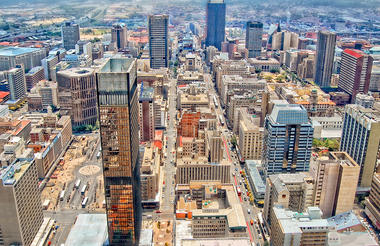
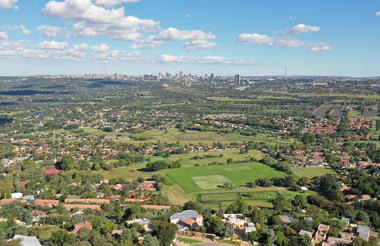
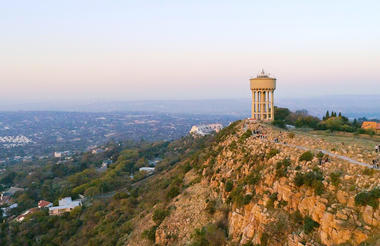
Located on South Africa’s Highveld plateau, Johannesburg is a fast-paced, creative city shaped by gold-rush history, cultural diversity and constant reinvention. Its atmosphere is energetic and urban, with contemporary galleries, rooftop bars and leafy suburbs existing alongside powerful reminders of the country’s past. Visitors can explore the Apartheid Museum, tour Soweto’s historic streets or browse vibrant markets and design spaces in neighbourhoods such as Maboneng. The city’s soundtrack shifts from lively jazz and amapiano beats to the hum of busy streets, while the scent of grilled street food drifts through open-air cafés and market stalls. Johannesburg rewards travellers who engage with its complexity and culture, though its size, traffic and contrasts mean it is best experienced with some planning and local insight.
Own Arrangement
As previously described


Situated on the southern edge of the Okavango Delta in northwestern Botswana, Maun is a laid-back safari town known as the gateway to one of Africa’s most remarkable wilderness regions. Dusty streets, scattered palms, and the slow-moving Thamalakane River give the town a relaxed frontier atmosphere, where safari vehicles and small bush planes are part of daily life. Travellers come to experience mokoro excursions through reed-lined delta channels, scenic flights above shimmering floodplains, and wildlife safaris into nearby game reserves. While Maun itself is functional rather than polished, its blend of local culture, open landscapes, and close access to untamed wilderness makes it an atmospheric and rewarding base for exploring the Okavango region.


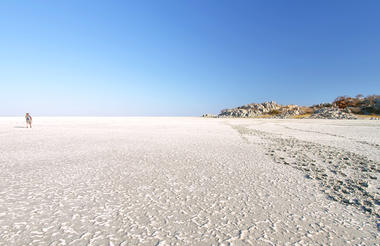
Set in the heart of the dry savanna of northeastern Botswana, the Makgadikgadi Pan is the world's largest network of salt pans stretching over 3900 square kilometres and formed on the bed of the ancient Makgadikgadi Lake that began evaporating aeons ago. Visiting Makgadikgadi is a unique salt desert experience: in the dry season, this vast expanse of sun-baked salt glistens in the light, and when the rains come, the pan is home to a cornucopia of flamingos and other waterbirds, as well as one of Africa's largest zebra populations, whose annual migration is a wonder to behold. Visitors can immerse themselves in the stark beauty of this incredible landscape, spot a host of wildlife and enjoy a number of activities, including horse riding safaris, game drives, and excellent birdwatching. Other highlights include: quad biking across the vast expanse of dry salt pans or jumping in a helicopter and viewing countless flamingo flocks creating a magnificent pink spectacle dotting the landscape.
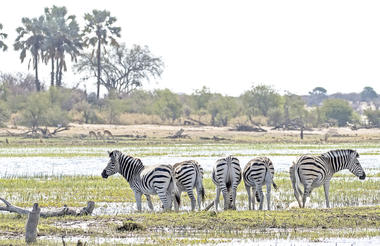

Bordering both the Moremi Game Reserve and Chobe National Park in northern Botswana, Khwai Private Reserve spans approximately 180,000 hectares along the north-eastern edge of the Okavango Delta. Established through a community-based partnership between local villages and the tourism sector, the reserve supports conservation alongside sustainable economic opportunities for nearby communities. Riverine forests, seasonal floodplains, open grasslands, mopane woodland, winding channels and lagoons create a varied landscape that supports an exceptional diversity of wildlife. Elephant, lion, leopard, cheetah, African wild dog and sable antelope are among the species found here, together with abundant birdlife. Visitors explore the reserve on guided game drives, walking safaris and mokoro excursions through the Delta's waterways, with night drives on private concession land adding opportunities to encounter nocturnal animals.


NG12 Concession lies in the northern Okavango Delta of Botswana, forming a remote mosaic of seasonal floodplains, palm-studded islands, waterways and mopane woodland. As a private wilderness area, it offers an intimate safari atmosphere with limited camps and few vehicles, creating a sense of seclusion between land and water. Visitors experience game drives, mokoro journeys in season, and guided encounters with elephants, lions, wild dogs and rich birdlife across changing floodplains. Sunlight flickers across still channels, papyrus rustles in the breeze, and evenings bring the calls of frogs and distant predators. Camps are typically small and rustic, shaped by the shifting moods of the floodplains and the rhythm of the Delta itself.


As previously described